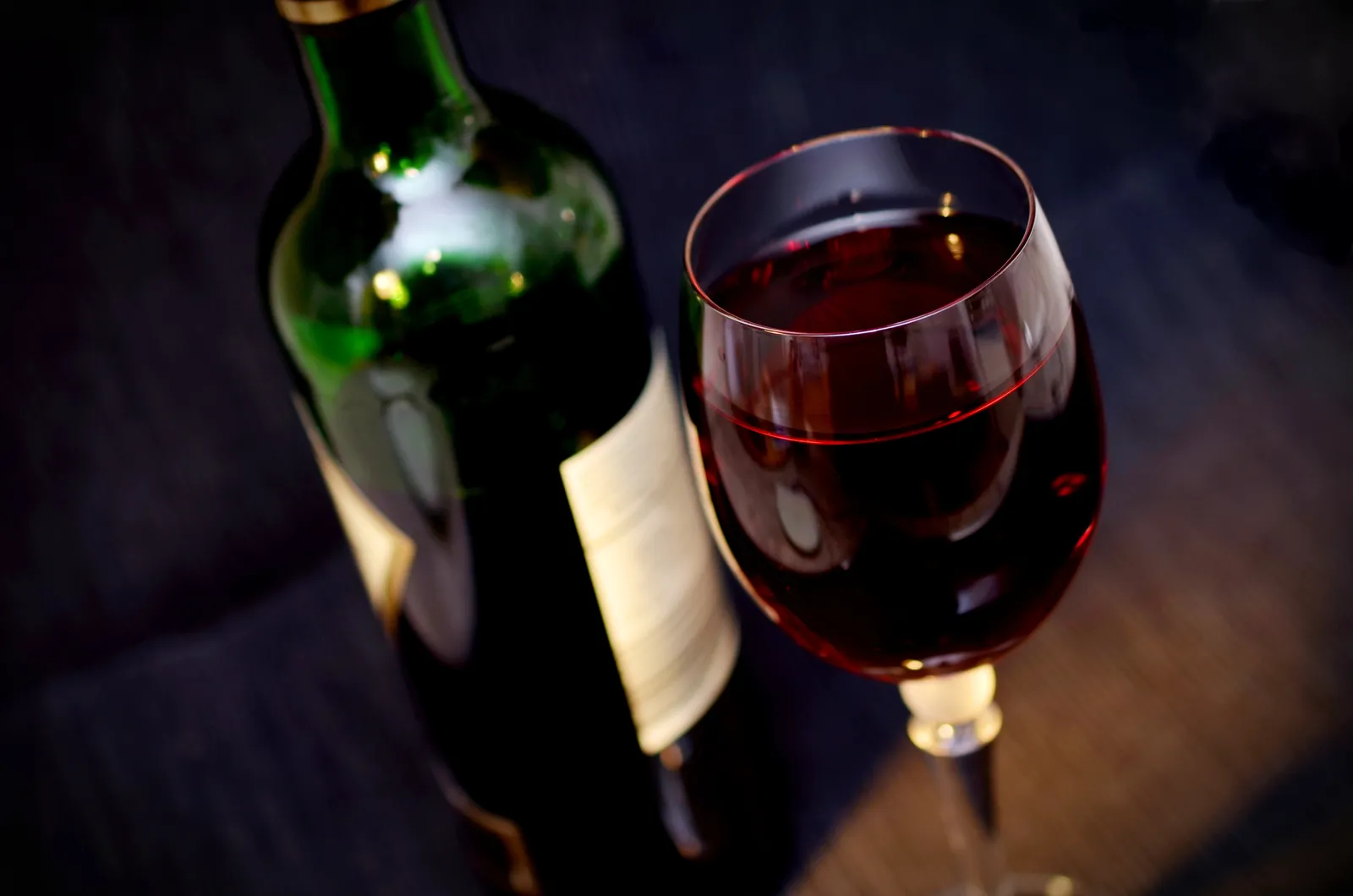
Wine does not expire like milk, but it does go bad, almost never dangerously. An opened bottle keeps 3 to 5 days corked in the fridge, sparkling wine 1 to 3 days. After that it loses its fruit, oxidises and drifts towards vinegar. Its alcohol and acidity stop food-poisoning bacteria growing in it, so the real risk is the taste.
Does wine go bad?
An unopened bottle has no expiry date. In the EU the law exempts wine from a best-before date, and most wine labels elsewhere skip it too. Two exceptions: dealcoholised wine, which must carry one in the EU, and a lot of boxed wine, whose bag lets a little air through, so it is best drunk within months of buying, usually within the year.
What a bottle does have is a drinking window. Most everyday wines are at their best within one to three years, rosé and light whites within a year or two, and only wines built for ageing improve with time in a cool, dark cellar (more on that in ageing wine: when to drink it).
A bottle that has gone past its peak is not dangerous, it is tired: less fruit, notes of walnut or Madeira, a colour drifting towards brown. If you have one of those to open, here is how to open an old wine without the cork crumbling into it.
Once the cork comes out, the clock runs much faster, for white and red alike.
Can old wine make you sick?
As a rule, no, not in the food-poisoning sense. Wine is too acidic and too alcoholic for the bacteria behind food poisoning to settle in, so a bottle open for too long is oxidised or vinegary, which tastes bad, but it is not toxic. Even corked wine, with its smell of wet cardboard, is harmless. Two signs simply tell you a bottle is finished for drinking: a whitish film on the surface, formed by yeasts that feed on the alcohol when air gets in, or a clear smell of vinegar.
A few cases do call for caution:
- Visible mould, fuzzy, green or black, in a forgotten bottle: pour it away without tasting. The mould you sometimes find on top of the cork of an old bottle, under the capsule, comes from cellar humidity. Wipe the neck clean; the wine is usually unaffected.
- A bag-in-box that swells, or a still wine that turns properly fizzy after it was opened: something has started fermenting again. Do not drink it. A torn bag or a leaking tap is a different problem: air can get in and the wine oxidises faster, so taste it before you pour a glass.
- Alcohol-free wine does not get the protection that alcohol gives. Once opened, keep it in the fridge and follow the label.
Beyond that, on the health side, what matters is the alcohol itself, not the age of the bottle. And if in doubt, leave it.
How long does opened wine last?
These times assume the bottle is corked again and kept in the fridge, reds included. On the kitchen counter, expect a lot less, especially in summer.
| Wine | Keeps once opened | After 1 week | After 2 weeks | After 1 month |
|---|---|---|---|---|
| Sparkling (Champagne, crémant, prosecco, cava) | 1 to 3 days, with a sparkling stopper | Flat: cook with it if it smells fine | Cook with it if it still smells fine | Vinegar or the sink |
| Dry white, rosé | 3 to 5 days | Usually drinkable, less aromatic | Often tired: a splash in a sauce if it smells clean, with no bruised apple or vinegar | Vinegar or the sink |
| Red | 3 to 5 days | Usually drinkable, flatter | Flat, sometimes vinegary: taste before cooking | Vinegar or the sink |
| Sweet white (Sauternes, Coteaux du Layon) | 1 to 2 weeks | Good | Still pleasant, a little tired | Taste it, often finished |
| Oxidative wines (vin jaune, Madeira, tawny port, oloroso sherry) | Several weeks | Good | Good | Often still good |
| Boxed wine (bag-in-box) | About 4 to 6 weeks | Good | Good | Usually still fine, taste it |
One trap: fino and manzanilla sherry are not oxidative wines. They age under a layer of yeast that shields them from air, so once opened they keep only a few days in the fridge, like a dry white. Vin jaune also ages under a veil of yeast, but for more than six years without topping up: the veil slows oxidation without stopping it, hence its walnut notes, and the wine keeps for weeks once opened.
So, wine open for a week: a corked red or white from the fridge is usually still drinkable, just less expressive. Two weeks: it has almost always lost its fruit, so if it is merely flat it can still go into a pan sauce as a splash, and if it is sharp and vinegary it is on its way to vinegar. A month: apart from oxidative wines and boxed wine, it has generally turned.
These guidelines move with the level in the bottle. The last glass, with plenty of air above it, oxidises much faster than a bottle that is still three-quarters full.
How to tell if wine has gone bad
- Look: a white darkening towards amber, a red turning brown. A white film on the surface or any mould means it is finished.
- Smell: vinegar or nail polish remover means acetic spoilage. Bruised apple, walnut or caramel means oxidation. Wet cardboard means it is corked.
- Taste: flat, sour, no fruit left. A small sip is enough to judge.
- Bubbles: a still wine that has turned properly fizzy since it was opened, or has pushed its cork out, is fermenting again. A few fine bubbles clinging to the glass, common in a young white, are just carbon dioxide left in the wine at bottling.
Do not confuse spoilage with an oxidative wine such as vin jaune, which is made that way on purpose. The small crystals at the bottom of a bottle or under the cork (harmless tartrates) and the sediment in an old red are not faults either. For the full list, see our guide to wine faults.
What to do with old wine
A wine opened a few days ago that is a bit flat but does not smell of vinegar works well as a splash in a pan sauce, a risotto or a gravy. For a dish where the wine is the whole sauce, such as beef bourguignon, the old rule holds: if you would not drink it, do not cook with it. Cooking does not remove faults, it concentrates them, and a wine that smells of vinegar makes a sour dish.
Leftover wine that is still good freezes well in an ice cube tray, ready for the next sauce. At home we often use the end of a white for risotto, and a red that is a few days old, still pleasant but less lively, is perfect for a one-pot pasta cooked in red wine.
What about cooking with wine opened a month ago? Usually no: by then most wines have turned, and a sharp wine makes a sharp sauce. The exceptions are oxidative wines such as tawny port or Madeira, which hold for weeks and make excellent sauces, and boxed wine, if it still smells right.
And when a wine is truly finished, pour it down the sink with the tap running and put the empty bottle in the glass recycling.
Make your own wine vinegar
A wine that has turned sharp still has one good use. The reliable way is to start from a vinegar mother, the jelly-like film formed by acetic bacteria (bought, or given by a friend), or failing that a splash of unpasteurised vinegar. Put that starter in a jar or vinegar crock with your wine, cover it with a cloth so air gets in and fruit flies stay out, and leave it at room temperature away from light. Top it up with leftover wine as you go. Count on a few weeks, often one to two months. It is ready when it tastes clearly sharp and no longer smells of wine.
How to make opened wine last longer
Unopened, a bottle keeps best somewhere cool, dark and steady, lying down if it has a natural cork, until it reaches its peak. Here is the right temperature for a wine cellar.
Once opened, put the cork or a stopper back in as soon as you have poured (our methods for resealing a wine bottle) and put the bottle in the fridge, reds included. Take a red out about an hour before serving: cold firms up tannin, so a red served too cold tastes hard (our guide to red wine serving temperature explains why). Pouring the last third into a small bottle cuts down the air. A vacuum pump slows oxidation a little and may buy you a day or two, but it does not stop it, and how well it works is still debated.
For colour-by-colour detail, see how to store an opened white wine and how to store an opened red wine.
Amazon links on this page are affiliate links. They cost you nothing extra, and they help me keep this going.
Frequently asked questions
Can you drink wine that has been open for a week?
Often, yes, if it was corked and kept in the fridge. A still red or white opened a week ago is usually drinkable, just flatter and less fruity. Smell it first: if it smells of vinegar or nail polish remover, it has turned. Sparkling wine will be flat by then, so use it for cooking instead.
Can old wine make you sick?
Generally not in the food-poisoning sense. Wine is too acidic and too alcoholic for the bacteria behind food poisoning to grow in it, so old, oxidised or corked wine tastes bad rather than doing you harm. The exceptions worth respecting are visible mould, a bag-in-box that swells, and opened alcohol-free wine, which lacks the protection alcohol gives. On the health side, what matters is the alcohol itself, not the age of the bottle.
Does unopened wine go bad?
Not in the sense of an expiry date, but it does fade. Most everyday wines are at their best within one to three years of release, rosé and light whites within a year or two. Only wines made for ageing improve in a cool, dark cellar. An old bottle past its peak is tired, not dangerous.
Should you put opened red wine in the fridge?
Yes. Cold slows oxidation, so a corked red keeps 3 to 5 days in the fridge, noticeably longer than on the kitchen counter. Take it out about an hour before you pour, because cold firms up tannin and makes a red taste hard.
Can you cook with wine that has gone bad?
Only if it is just flat. A wine that has lost its fruit but does not smell of vinegar is fine as a splash in a sauce. A wine that smells of vinegar will make the dish sour, because cooking concentrates faults instead of removing them. For a dish where wine is the whole sauce, use a bottle you would happily drink.
How long does boxed wine last once opened?
Around four to six weeks, because the bag collapses as you pour and keeps most of the air out. Keep it somewhere cool. If the bag swells or the wine fizzes, throw it away. If the tap leaks, taste the wine first, because air may be getting in.