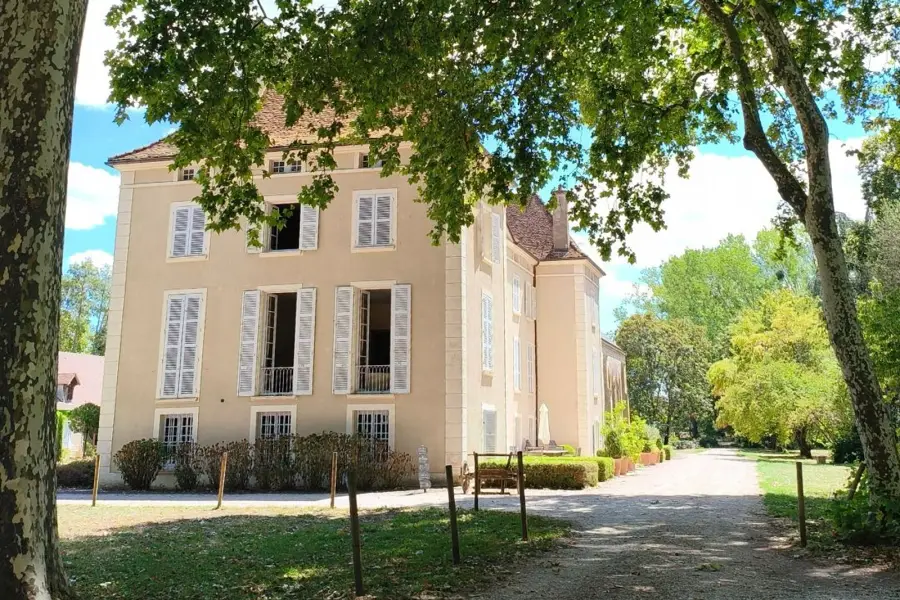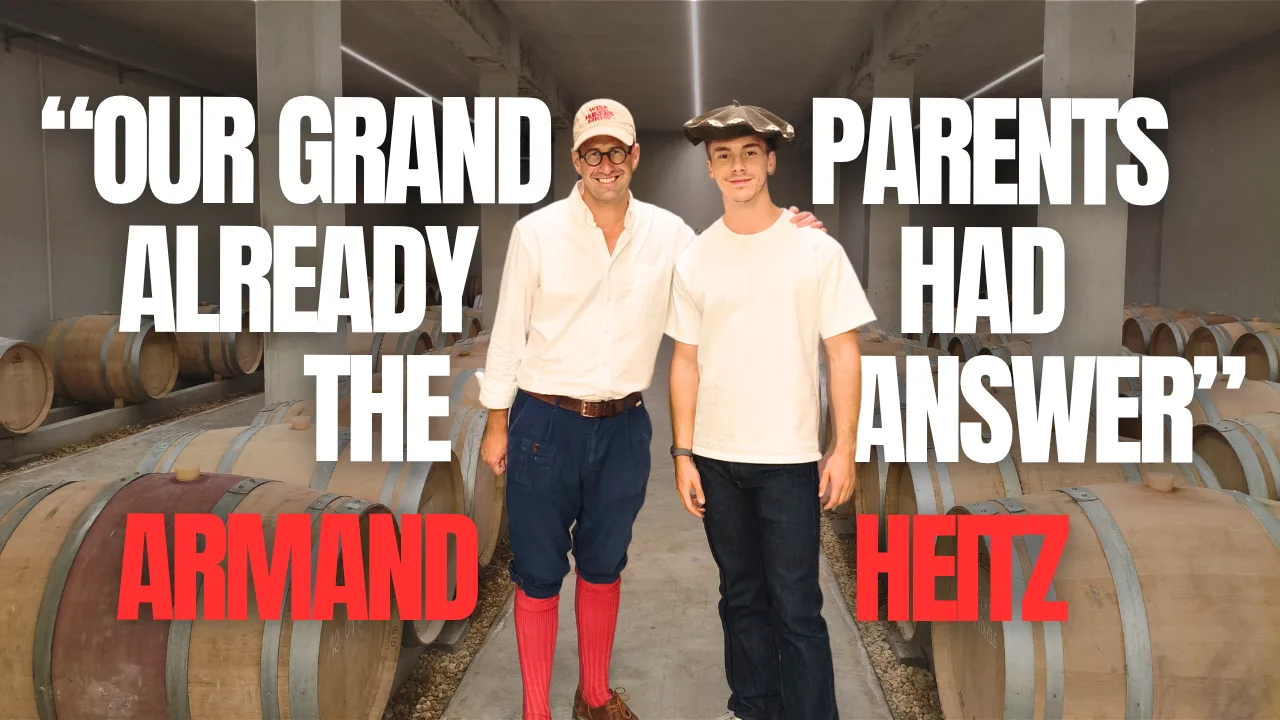
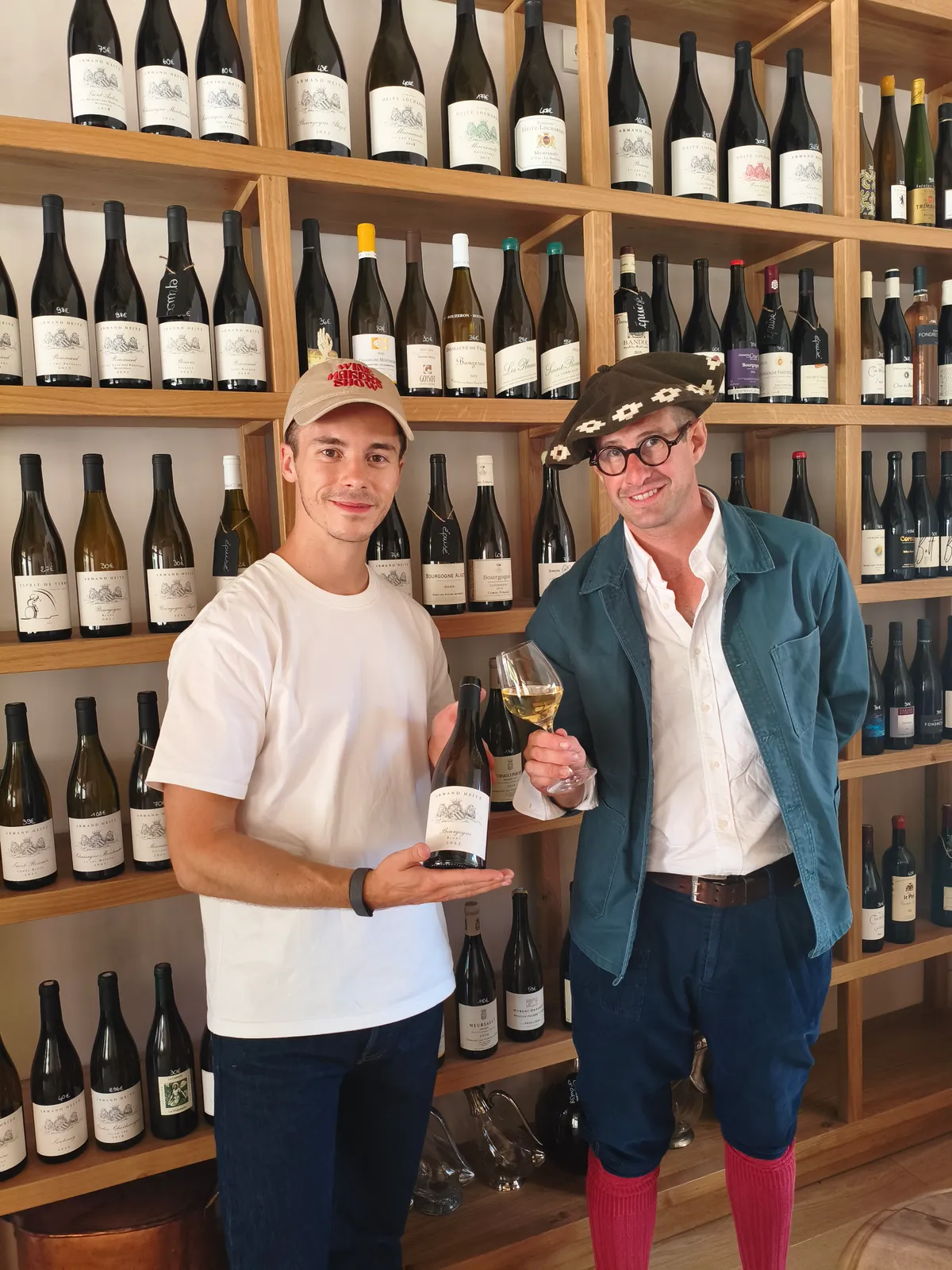
A wine estate, a farm, a restaurant, a hotel and a herd of cattle and sheep: Armand Heitz refuses to pick just one job. On his business card, one word says it all: paysan, farmer. We crossed Burgundy to meet him at his château in Mimande, where vines, cattle and wedding guests share the same park.
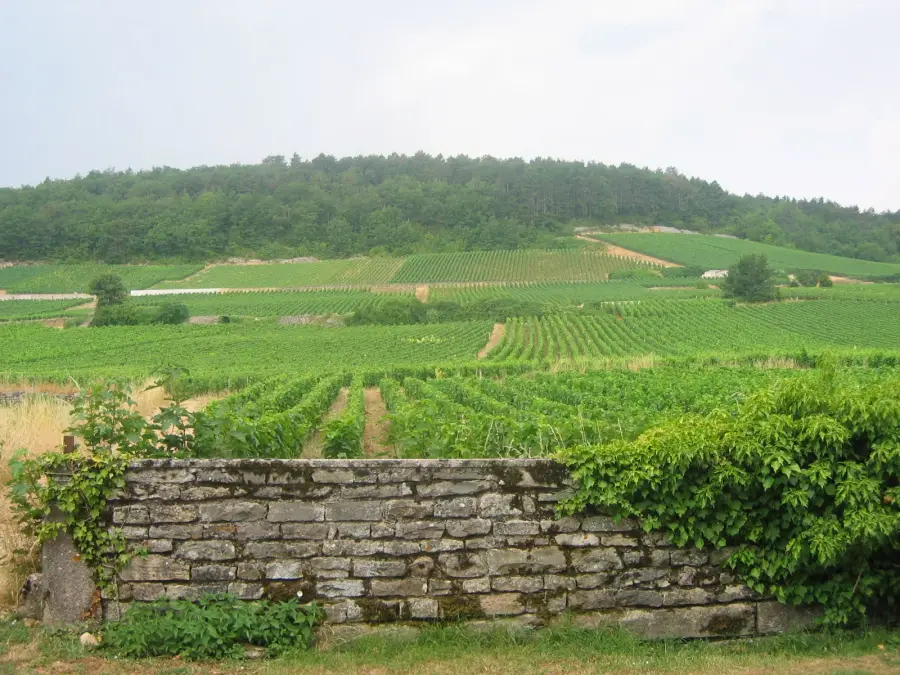
Armand Heitz is one of the most talked-about winemakers of the Côte de Beaune, with 23 hectares between Chassagne-Montrachet, Meursault, Pommard and Volnay, plus a bold Beaujolais bet. He swaps sailor dreams for Burgundy soil, a Japanese farming book for a business plan, and traditional vineyard routines for a farming model inspired by his grandparents.
Pour yourself a glass and settle in: Armand fires off blunt opinions on non-alcoholic wine, Gen Z, TikTok and pesticide lobbying, reveals the grape he sprays only once a year, and shares a wine club offer so generous we begged him not to raise the price.
Watch the full interview with Armand Heitz
Listen to the podcast with Armand Heitz
A recap of the conversation with Armand Heitz
From a family of landowners to a first vintage in 2013
Armand did not grow up in a winemaking family. His family has owned vines in Burgundy since the middle of the 19th century, but they were aristocratic landowners, not winemakers: after each harvest, the grapes went to négociants, and some wines were bottled directly in Paris. After two years at the wine school in Beaune and three years of agronomy, viticulture and economics in Switzerland, he had to come home when the contract renting out the family vineyards came to an end.
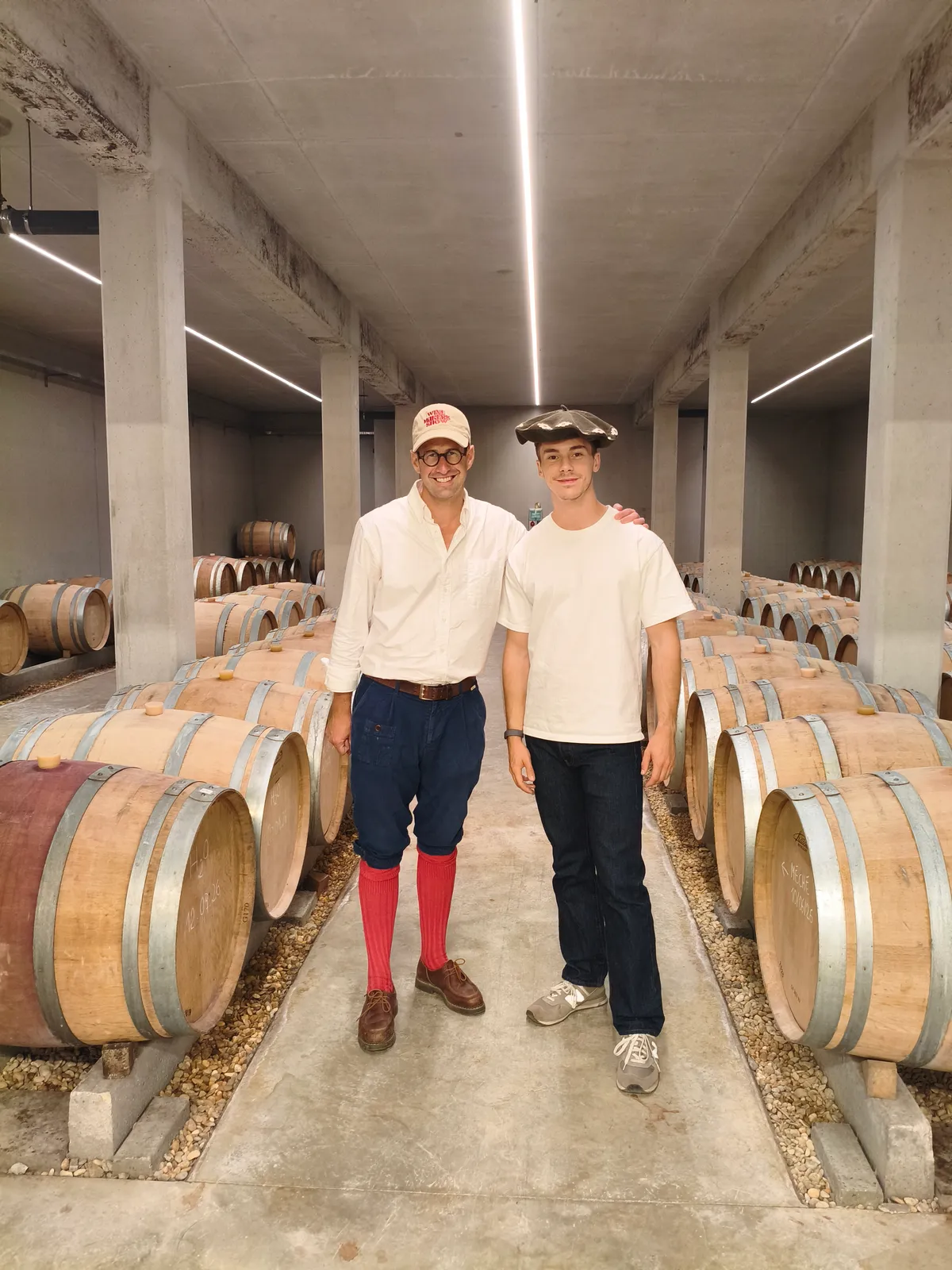
His first vintage on sale was 2013, with three hectares. He was lucky with timing: ten years ago, new producers were rare in Burgundy, and buyers were thrilled to discover a fresh estate. Thibaud Clerget and Maxime Charlin arrived soon after, followed by a wave of small négociants. Armand now jokes that he is an old winemaker of Burgundy. For him, the real appeal was creating something, then seducing customers with a philosophy. Had it not been for the family vines, he might have become a chef, or a sailor. Then he noticed that the church of Meursault is the spot in France farthest from the sea.
A château, a farm, a restaurant and rooms
Armand and his wife, an architect, planned a new winery during COVID. Rather than build something new, they visited a château for sale in Mimande, a hamlet of Chaudenay, about ten minutes from Chassagne and Puligny-Montrachet. They saw the potential for events, food and new activities, and bought it in May 2021. Cheap COVID-era loans helped. The winery itself is in Meursault, 15 minutes away.
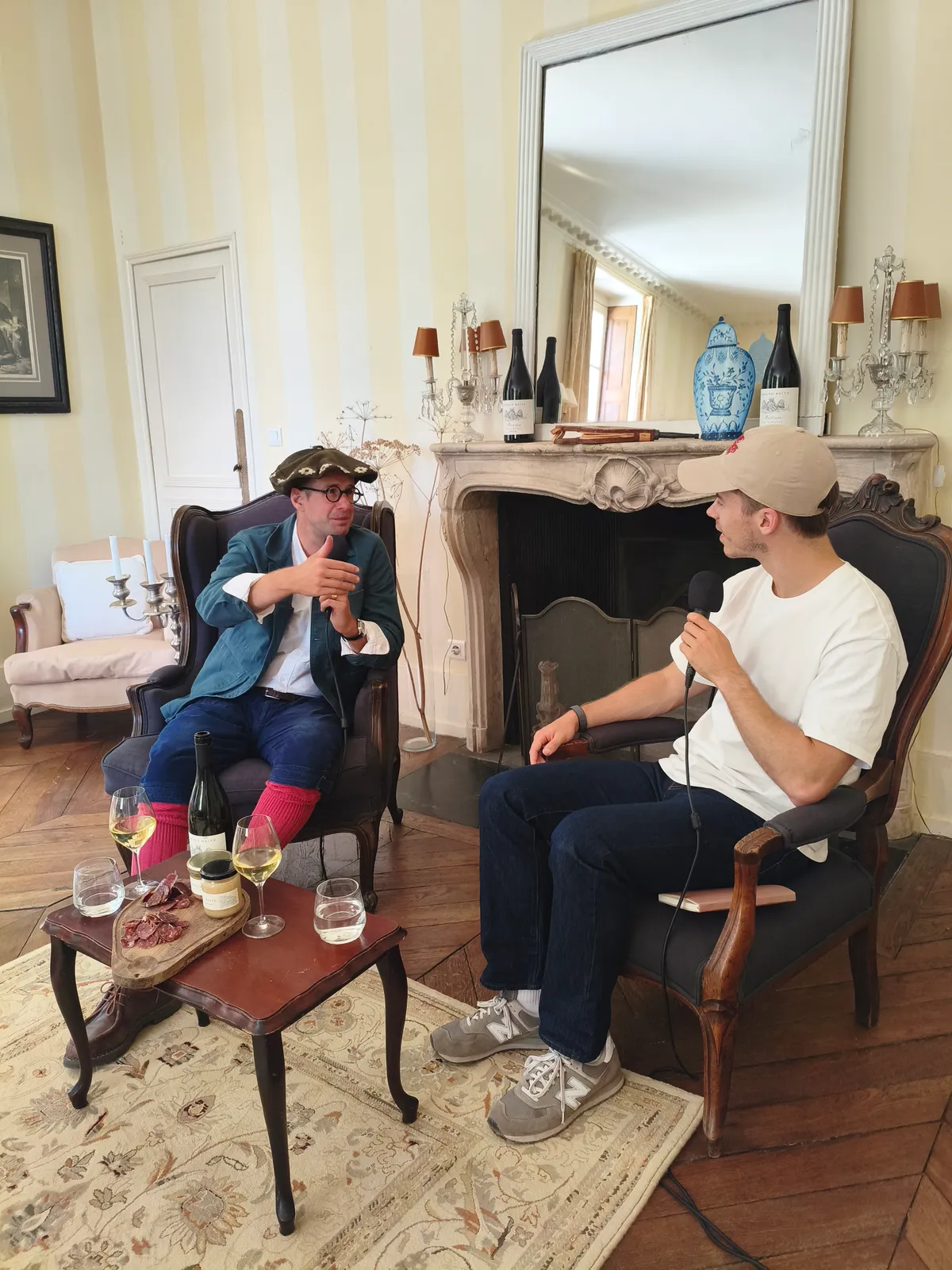
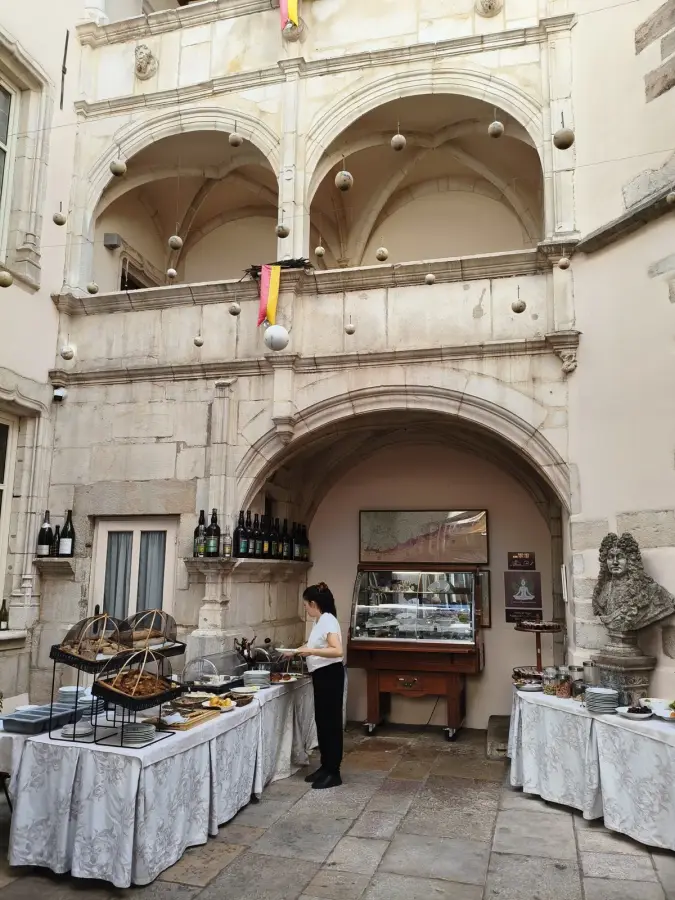
They started on Airbnb to bring in money fast, learned how to host and earn good reviews, and now have a team running the rooms, the restaurant and the weddings. The only snag: the estate is off the classic tourist path, so welcoming wine visitors takes extra effort. The restaurant is one of the projects he is proudest of, and the next step is to grow its own vegetables.
Farming like our grandparents
From 3 hectares in 2013, Armand reached 20 in 2020, then bought 6 or 7 hectares in Beaujolais. The big turning point came with COVID and a book that changed his life: Masanobu Fukuoka’s The One-Straw Revolution. He finally knew what to do with his agronomic ideas. Over three years, he turned his land into an experimental area and bought a farm with cattle and sheep.
His argument is simple. Intensive farming is only 60 years old and has damaged the planet, while real sustainability means diversity: vines, cereals, cattle and sheep that help each other, as farming did for thousands of years. He does not like the word innovation in agriculture, because the only innovation worth making is to rediscover our grandparents’ ideas. The model now needs to prove itself economically too. He has cut his herd from 300 animals, since he refuses to raise animals for supermarkets or mass export, and aims for quality over quantity. The estate also offers honey, made with a beekeeper friend, and other farm products, as long as each makes economic sense.
Voltis and the farmer’s common sense
On pesticides, Armand recalls a conversation with Marc-André Selosse about the lobbying that pushes politicians to keep using them. He planted Voltis, a hybrid grape that needs spraying only once a year, against 10 to 13 times for classic Burgundy varieties. His point: the solution exists, yet people still prefer to drink sprayed Burgundy.
This is why he likes to call himself paysan. A farmer applies common sense: if Chardonnay needs spraying, one answer is to change the grape variety rather than invent a new problem on top of the first. Few people share this philosophy, he regrets.
Burgundy 60% white, 40% red, and a bet on Beaujolais
Armand’s Burgundy range is 60% white and 40% red, covering Pommard, Volnay, Chassagne-Montrachet, Meursault and, in smaller quantities, Beaune, Mercurey, Saint-Aubin and Saint-Romain. In the Côte d’Or, estates are usually known for one color, and the other is often weaker, so he had no choice but to excel at both.
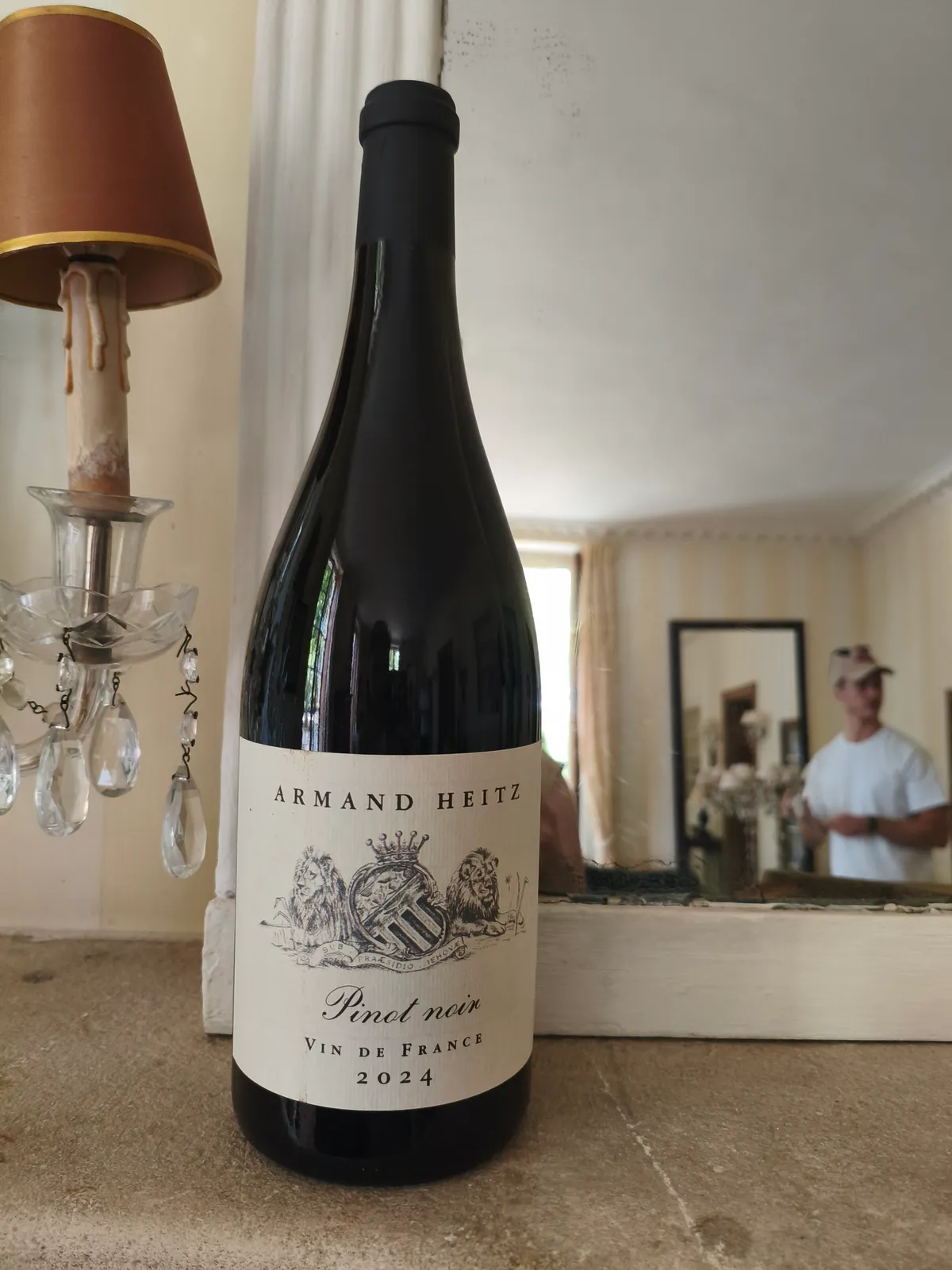
In Beaujolais, he saw potential in the style and quality of the wines and bought hillside vines, hard to work but a promising investment. The reality is tougher: Beaujolais still struggles with its Nouveau image, even at two-star restaurants, and some of his customers were puzzled that a Burgundy estate also made Juliénas. Burgundy and Beaujolais have been linked for 500 years, since the kings of France pushed Gamay away, he explains, for reasons of control and tax. He blends Pinot Noir and Gamay in his entry-level cuvée, Folie Sauvage, and finds that people prefer a Coteaux Bourguignons to a Beaujolais-Villages.
Gen Z, TikTok and the missing collective effort
How can wine win back the younger generation? Armand says the issue starts with parents who no longer pass on wine culture, while beer and spirits brands invest massive budgets in marketing. Wine is seen as a luxury product for gastronomy or celebrations, so a 17-year-old does not start with it, and the first taste you take often becomes the one you keep.
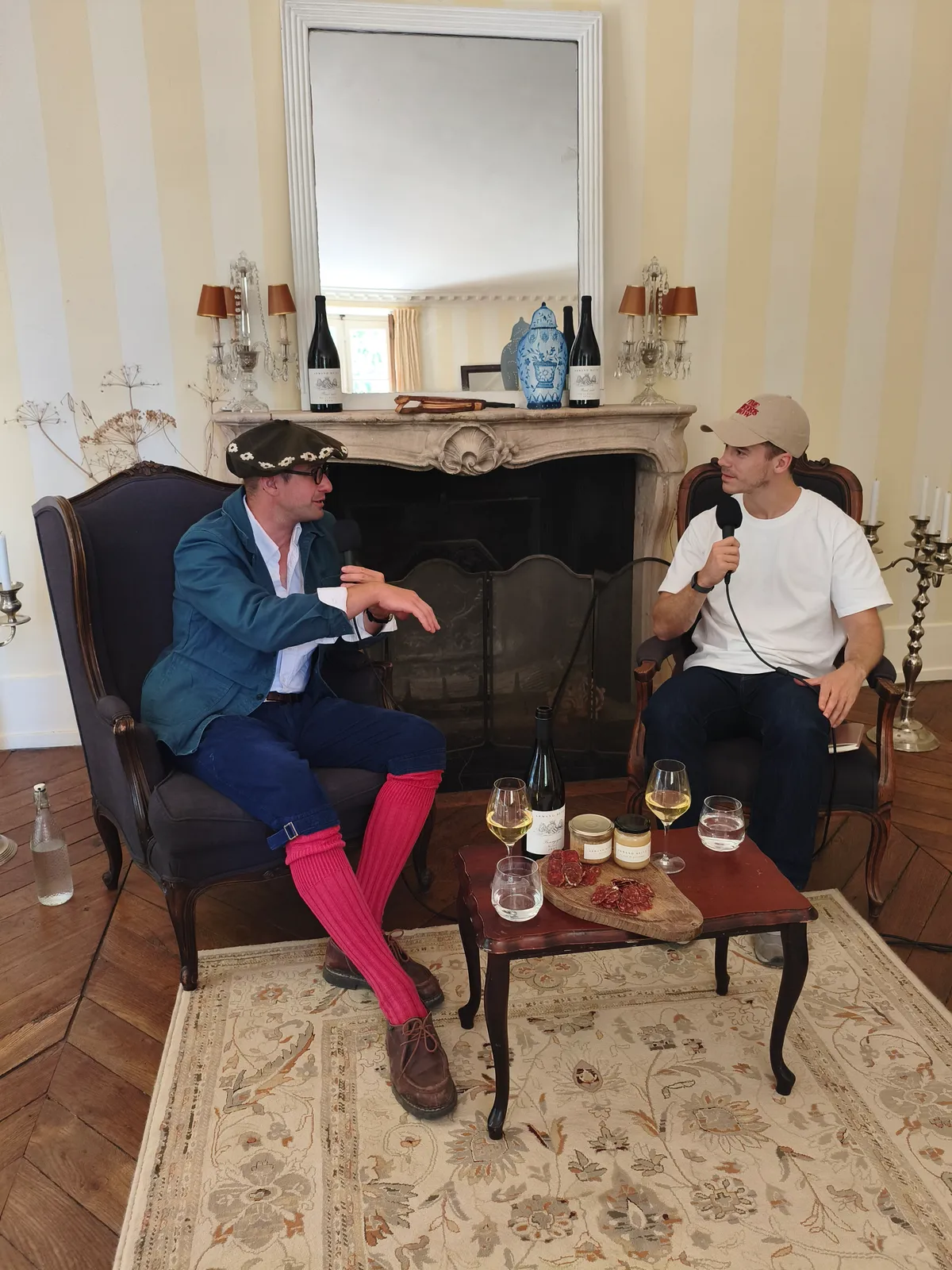
France has many famous appellations, but each is too small to run its own marketing strategy, and the collective effort is missing. Armand tries Instagram and LinkedIn, fun labels and affordable cuvées in wine bars, and says that on TikTok wine is quite impossible. His youngest customers at the château are around 27 or 28, often wedding couples.
Non-alcoholic wine: “a mistake of nature”
On this subject, Armand holds nothing back. For him, non-alcoholic wine is not a product but a “transhumanism apology”. Humans have eaten fermented fruit for thousands of years and carry the enzymes to process alcohol, so trying to remove it is a mistake. He drinks plenty of non-alcoholic things himself, such as kombucha and a homemade kefir, around half a liter a day with his wife, and has considered making grape juice. But the energy needed to dealcoholize wine bothers him: making real wine requires almost nothing.
Just because a trend is an opportunity does not mean you should follow it. A brand lasts when it stays true to itself.
The Armand Heitz Club: an offer almost too good
To build a community of people who love wine and the estate, Armand launched the Armand Heitz Club. Direct sales are a small part of his business, but he wants customers who order 24 or 36 bottles a year, not only one-shot buyers. The deal is so good that it pays for itself after about six bottles. Armand is careful with his distributors, who sometimes see direct sales as competition, but they usually relax once they see how small it is.
Looking ahead: more people who care what they eat and drink
In ten years, Armand says, nothing will change and everything will. He wants more followers who care about nature and about what they eat and drink, and plans to focus on quality and on targeting the right customers. He is baffled that some wealthy people spend nothing on their food and wine. And he has a message for the media: without communication, journalists and marketing, a producer simply disappears.
He also shares what it is like to work with his wife every day. Sometimes it is hard, sometimes easier. It is a beautiful challenge, much like the old farming families who live and work together.
If this conversation made you curious about Burgundy,
- our episode with Antonin Pillot, a new generation in Chassagne-Montrachet is the perfect neighbor to this one,
- Thibault Liger-Belair and Philippe Pacalet show other faces of the region,
- and our ultimate guide to Burgundy wines maps out the appellations Armand mentions.
To go deeper on his other themes, explore what Beaujolais Nouveau really is, what organic wine means, natural wine, what Chardonnay is, and how younger generations are reshaping wine consumption. If a Burgundy trip is on your list, our wine tourism tips will help.
Armand Heitz’s recommendations
A book: Pourquoi boit-on du vin ? (Why are we drinking wine?), by Fabrizio Bucella. Armand says it holds plenty of answers if you wonder whether to pour non-alcoholic or wine. You can also read our own conversation with Fabrizio Bucella.
A recent tasting he loved: a 2017 Puligny-Montrachet 1er Cru Clavoillon from Domaine Leflaive, shared with a new friend. A classic white Burgundy, with intensity, nuts, crisp and long acidity, complex and beautiful.
The next guest he suggests: Rudy Ricciotti, the architect who also makes wine.
Discover:
Amazon links on this page are affiliate links. They cost you nothing extra, and they help me keep this going.