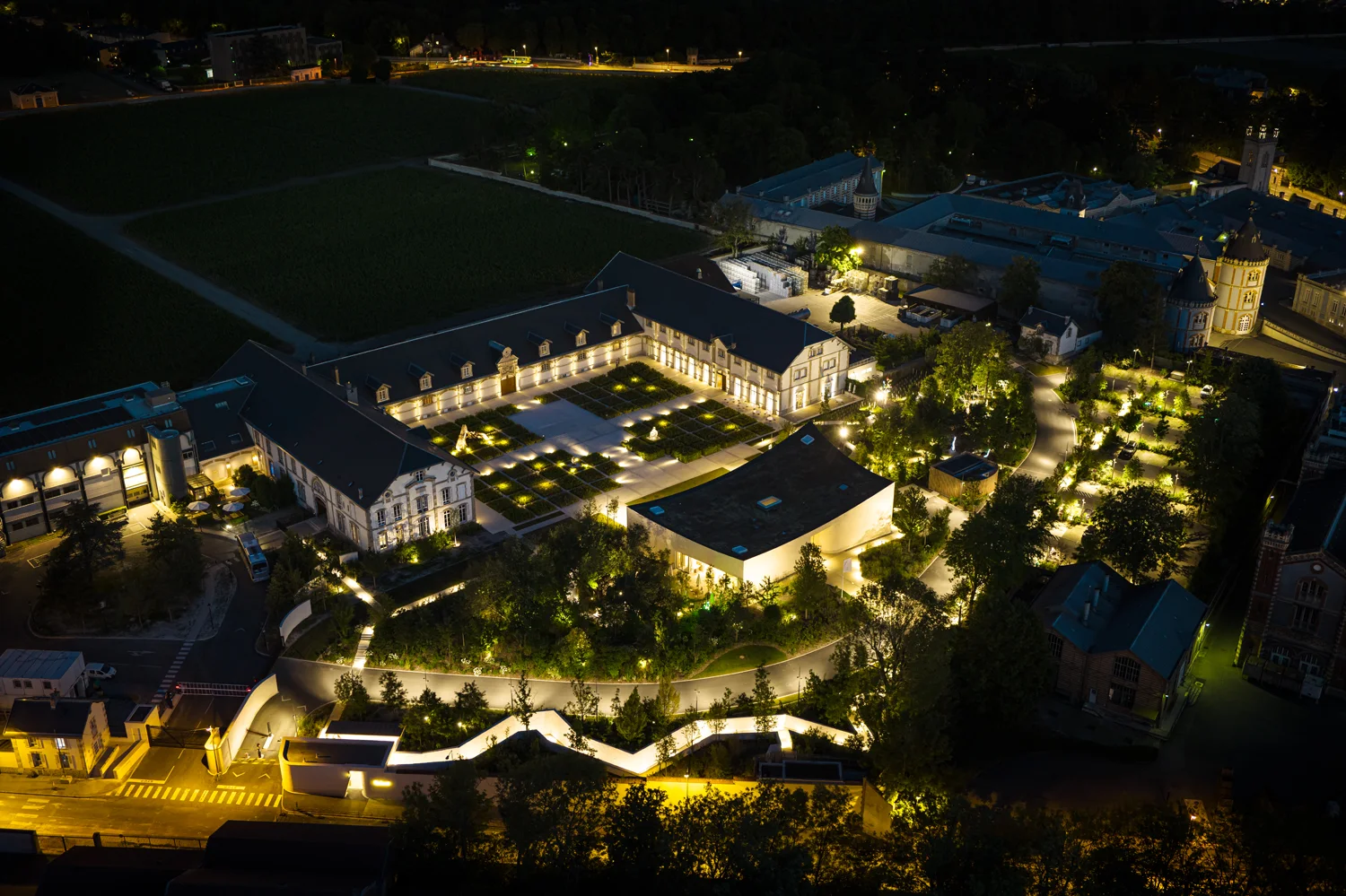
Louis Roederer, the family-owned Champagne house behind Cristal, has bought its way into Burgundy for the first time in its history. On 24 July the group confirmed it had acquired Domaine Pierre Damoy in Gevrey-Chambertin. Roederer is 250 years old this year, and in two and a half centuries it had never owned a single row of Burgundy vines. Now it owns some of the best in the world.
This is a business story more than a tasting note, so let us treat it like one. Because the deal is small in hectares and enormous in what it signals.
What Roederer actually bought
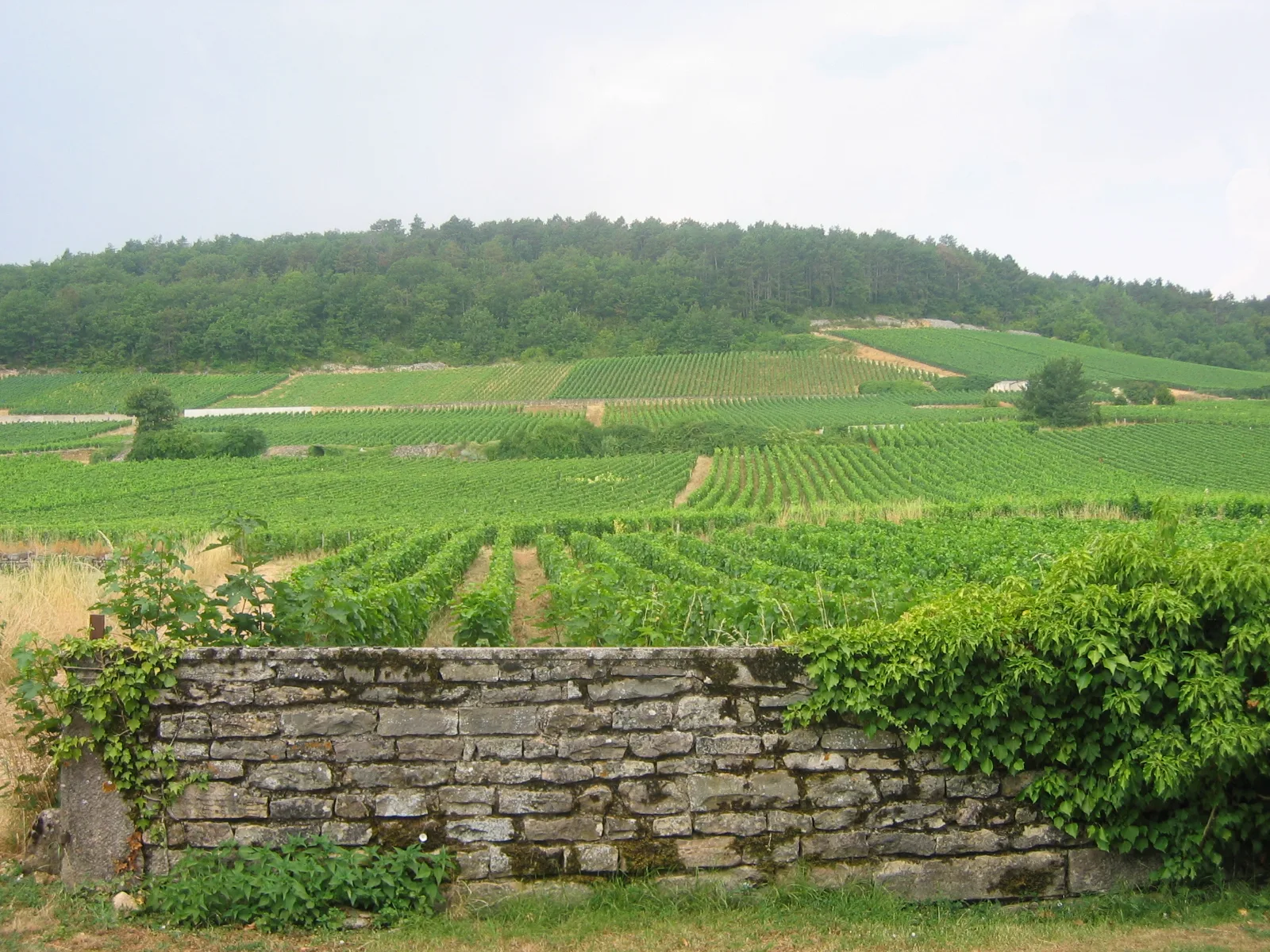
Domaine Pierre Damoy is not a large estate, but it is a jewel. The acquisition brings Roederer nearly 8 hectares of grand cru, and not just any grand cru. It includes holdings in Chambertin and Chambertin-Clos de Bèze, the two names at the very summit of the Côte de Nuits, plus Chapelle-Chambertin. It also includes Clos Tamisot, a Gevrey-Chambertin monopole, meaning a walled vineyard with a single owner, which in fragmented Burgundy is a rarity all on its own.
The financial terms were not disclosed, and they never usually are. Frédéric Rouzaud, Roederer’s chief executive, framed it as a matter of stewardship rather than expansion. In the year the house turns 250, he said, becoming “the steward of one of its great estates carries a special meaning,” adding that the plan is to build on the Damoy family’s work “with humility and exacting standards.” That is the polite language of a very expensive deal.
Why a deal this small is such a big deal
To understand the noise around eight hectares, you have to understand how rarely land like this changes hands. Burgundy is the treasure of the wine world precisely because it almost never comes up for sale. A grower here typically farms a few rows in a patchwork of tiny parcels, handed down and divided over generations. Whole estates with grand cru at their core come to market maybe once in a career.
That scarcity is not an accident, it is history. Over centuries the monks of Cîteaux and Cluny mapped Burgundy plot by plot, learning which slivers of slope made the finest wine and drawing the boundaries of the climats we still use today. Then the French Revolution seized the church’s vineyards and auctioned them off, and the Napoleonic Code did the rest: it required estates to be split equally between heirs. Every generation, a plot could be divided again. That is why the Clos de Vougeot, a single 50 hectare walled vineyard, is today farmed by around 80 different owners, each with a handful of rows. Fragmentation is not a flaw in Burgundy. It is the whole character of the place, and it is why, for a rich house, buying in is so hard.
The question every Burgundy watcher is now asking
So here is the real story under the headline. Money is arriving in Burgundy from Champagne houses, luxury groups and foreign buyers, and the price of a hectare of grand cru has gone somewhere close to absurd. Roederer is not the first and will not be the last. Earlier this year the Bouchard Père et Fils holdings were reshaped in another quiet restructuring on the Côte, and the direction of travel is clear.
The question is whether Burgundy is starting to concentrate, pulling its greatest vineyards into a few deep-pocketed hands, or whether the old tradition holds, the one where land keeps splitting between sons and daughters generation after generation. These are two opposite futures. One is Bordeaux’s model of brands and estates. The other is the mosaic of small growers that made Burgundy what it is.
To be fair to Roederer, a 250-year-old family firm calling itself a steward is a very different animal from a private-equity flip. Family houses tend to hold, replant and think in decades. But every acquisition at the top still tightens supply and lifts the floor under prices, and there is only so much grand cru to go around. It cannot be created, only bought.
For the rest of us, the effect is slow but real. Grand cru Chambertin was never a weeknight bottle, but when the very best land consolidates, the pressure works its way down the pyramid, into the premiers crus and the village wines that ordinary drinkers actually buy. If you want to understand where those wines sit and why the names matter, our full guide to Burgundy walks through the four tiers, and our map of the Burgundy vineyards lays the whole mosaic out in one picture. It has rarely been a more interesting time to look at it.