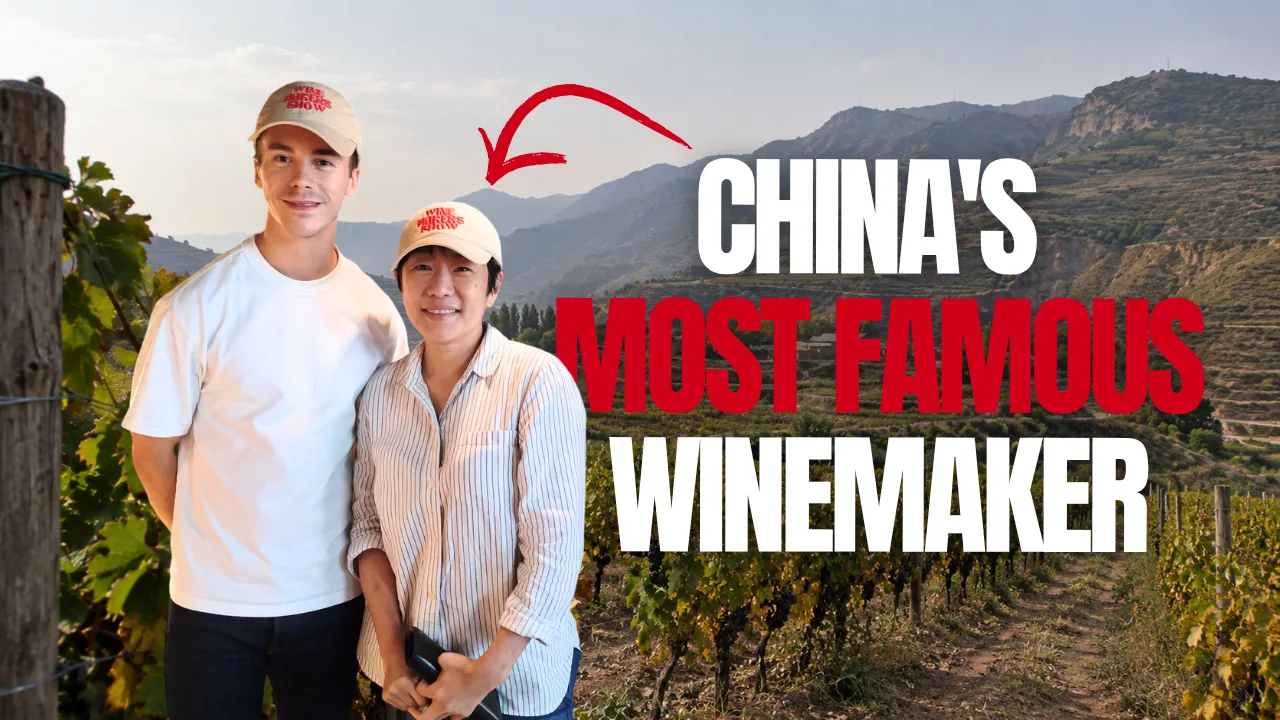
A psychology degree, an investment banking desk, and one family dinner that changed everything. Judy Chan walked into her father’s business expecting an office job and walked out with a brand-new winery, a million bottles of wine and no one to sell them to. We joined her at Silène, our favorite wine bar in Hong Kong, to hear how she turned that mess into a pioneering name in Chinese wine.
Judy Chan runs Grace Vineyard, one of China’s best-known wineries, now approaching its 30th anniversary. She takes us from a freezing staff dormitory in Shanxi, where she could not see her own hands at night, to Ningxia, a bet on thick-skinned Marselan, vines that must be buried every winter, and a jasmine gin small enough to slip into a back pocket.
Pour yourself a glass and dive in: Judy shares a blind-tasting test that went her way by sheer luck, a Harvard Business School case that no longer applies to anything, and the question she is still wrestling with today: how to make a legendary label feel new again?
Watch the full interview with Judy Chan
Listen to the podcast with Judy Chan
A recap of the conversation with Judy Chan
A psychology graduate, tricked into running a winery
Judy Chan was born and raised in Hong Kong, and studied women’s studies and psychology in the US. With an eight-month gap before graduate school, she took a job at an investment bank, which she describes as a sliding door rather than a plan. At the end of 2002, her father, an Indonesian-Chinese entrepreneur, invited her to a family dinner and asked whether she would like to join the family business. She said yes, expecting to work alongside him.
On her first day, he handed her two start-ups. One was a vineyard about to bottle its first wine, with no name, no label and no distribution. She did not drink, knew nothing about wine and had never visited Shanxi, where the winery stood. Her father’s only guidance was to use her brain and avoid irreversible mistakes. He refused her offer to learn from the bottom up, cleaning barrels. He was training her to be the boss, and a boss simply knows how to find people more talented than herself.
One million bottles, SARS and 20,000 sold
Chinese feasibility studies, built on wine retailing at around three euros a bottle, pointed to volume as the only way to break even. So Grace Vineyard’s first vintage was one million bottles. Judy found herself with no brand, no distribution channel and packaging she calls horrible, because high-end bottles, capsules and corks simply did not exist in China at the time. Everything had to be imported from France. The first year, they moved only around 20,000 bottles, some of them given away. Then SARS hit in 2003 and cancelled the exhibition where they planned to meet the market. Her own maths told her it would take 50 years to sell one vintage, when the next one was already on its way.
Back then, there were only some twenty producers in China, many of them state-owned, and the surrounding villages half suspected the winery of being a spy centre, since nobody knew a grapevine needs three or four years to bear fruit. Today you can find any style you like, from riesling to orange wine, made by winemakers who trained abroad and returned. Over a thousand labels now exist.
Gobi sand, buried vines and a rainy 2007
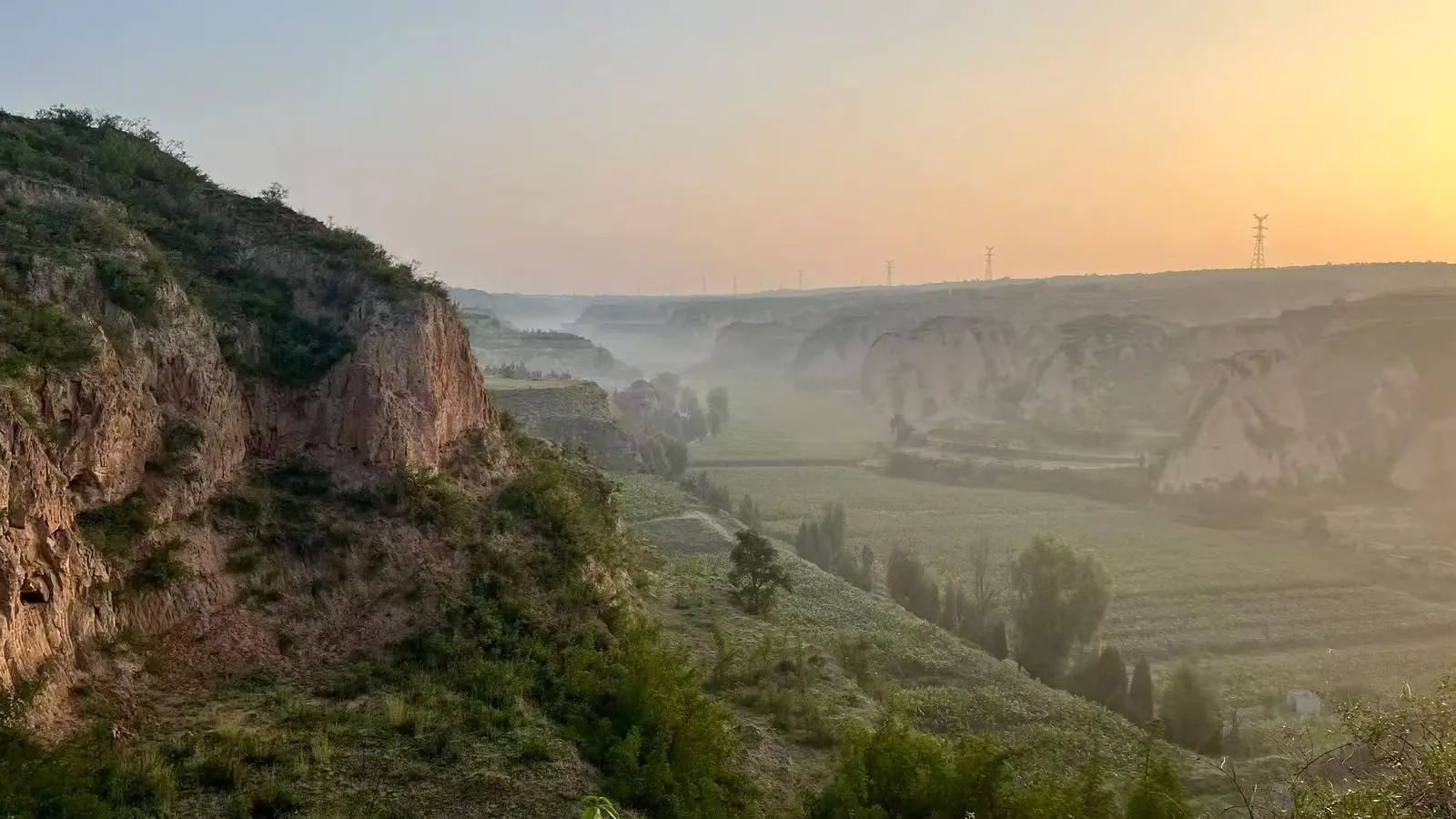
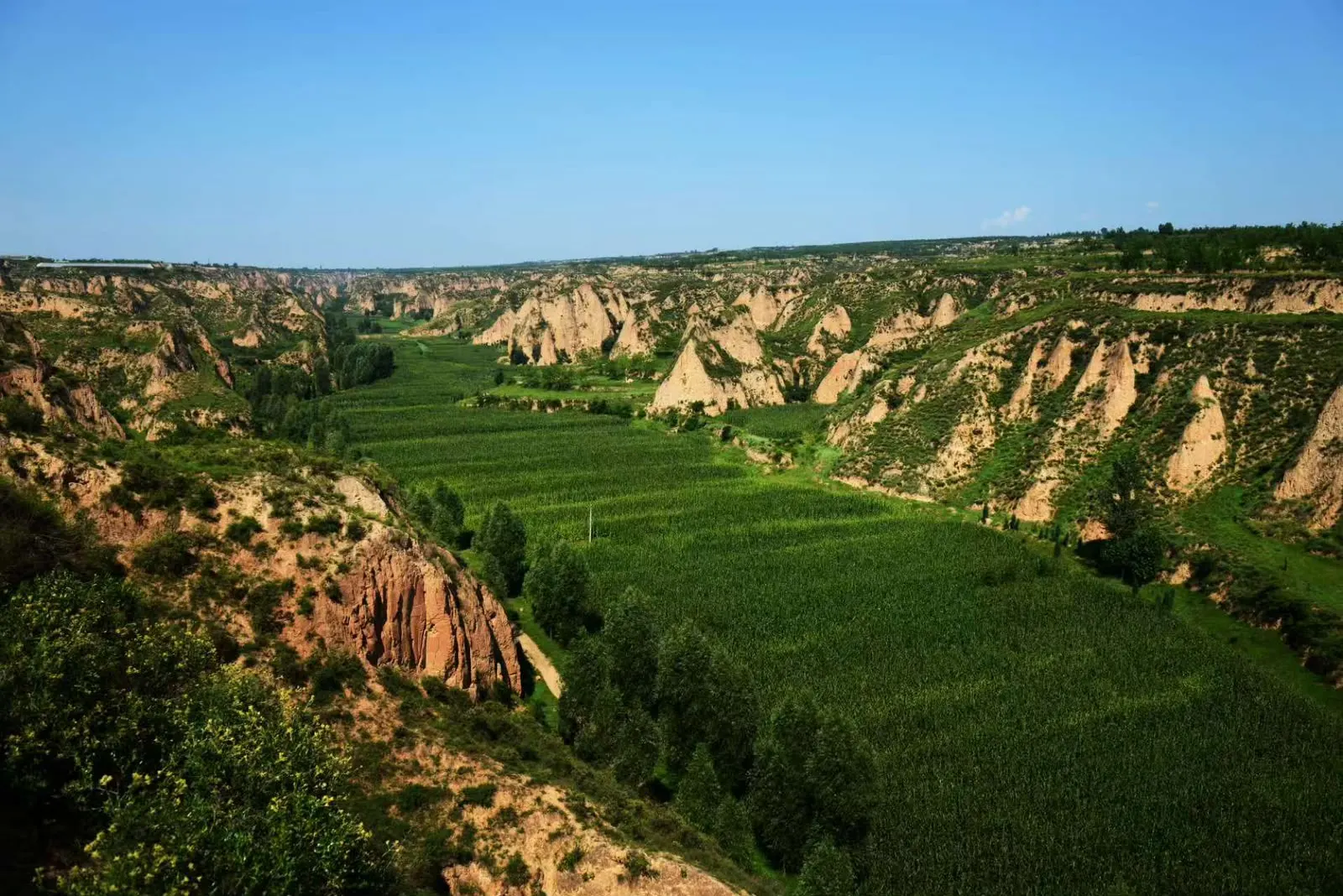
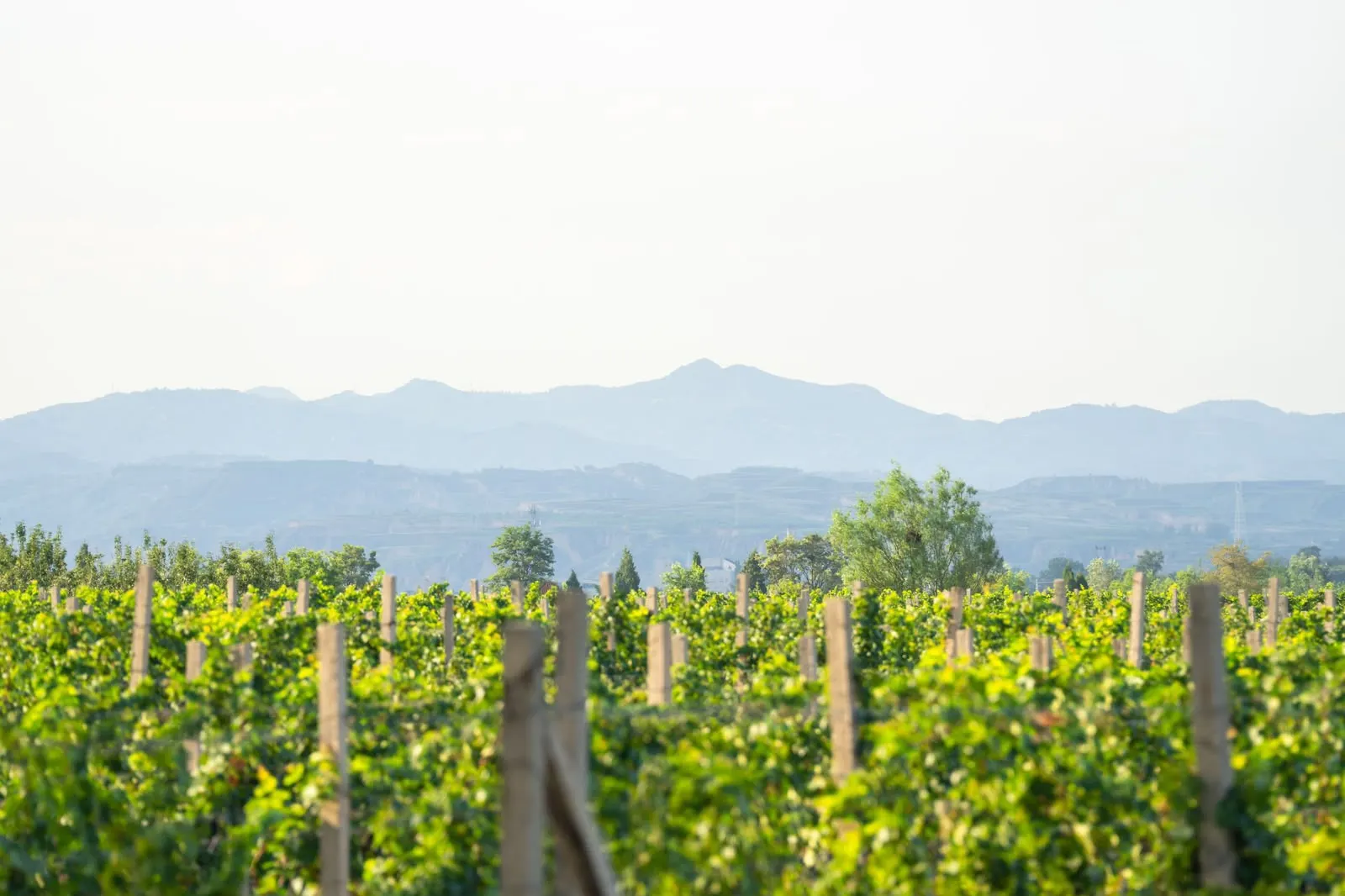
Grace Vineyard sits in Shanxi, roughly between Beijing and the Terracotta Warriors and just below Mongolia. The soil is sandy loam, built from Gobi desert sand, and the climate is extreme: summer nights near 19°C, days at 35°C, and winters that can drop below minus 20°C, which means every vine has to be buried to survive. After a catastrophic rainy harvest in 2007, Judy decided not to depend on one location and expanded to Ningxia.
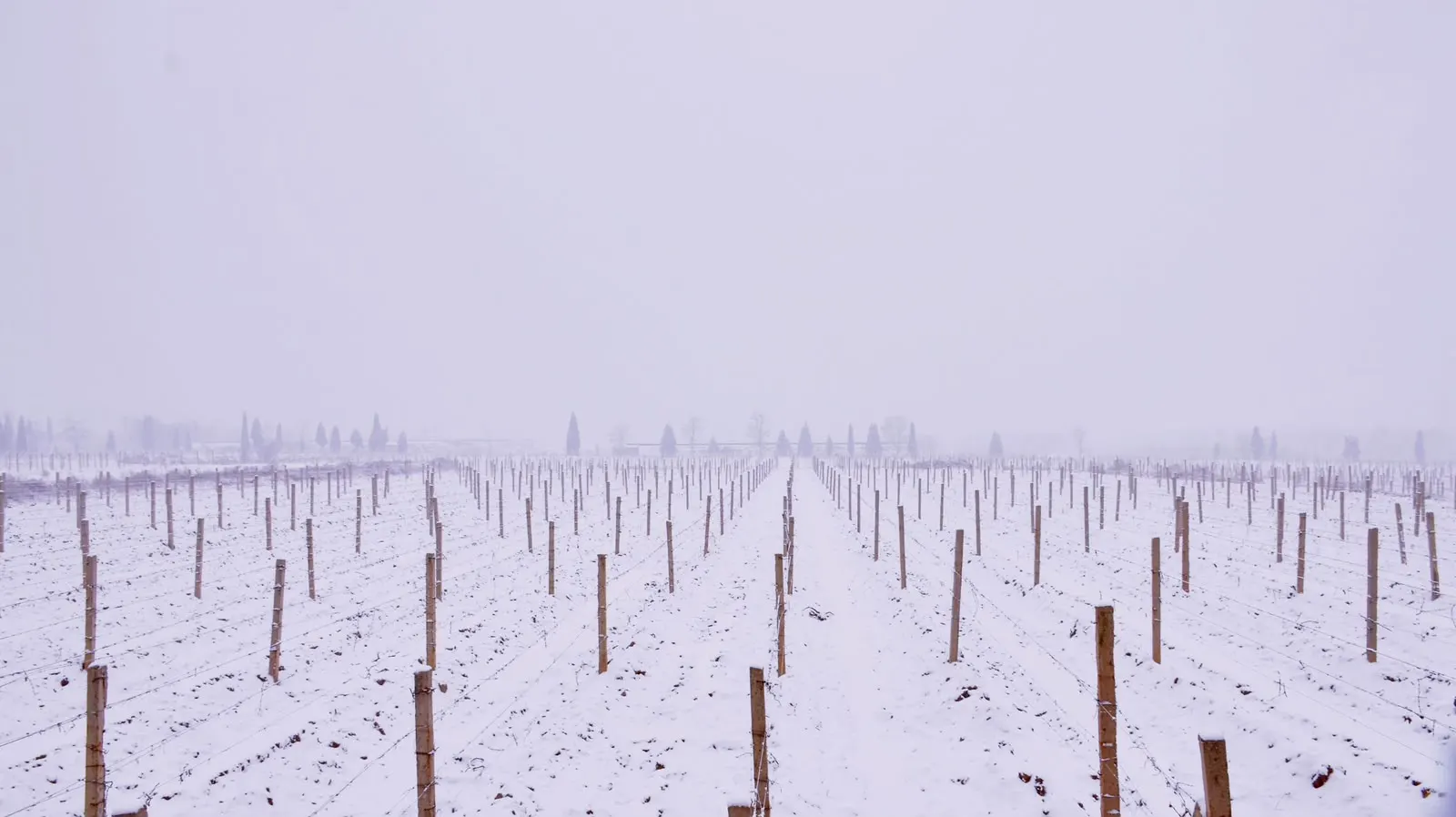
Importing vines is a long game. Grace imports its own vines to control the clone, but the road from quarantine to a first vintage can take 15 years. There have been plenty of failures: Pinot Noir was tried three times without success, and Riesling, Sauvignon Blanc and Chenin Blanc did not work either. Only Chardonnay did. The team is still experimenting, with Saperavi, Nebbiolo and Tempranillo among the recent launches.
Marselan, China’s possible signature grape
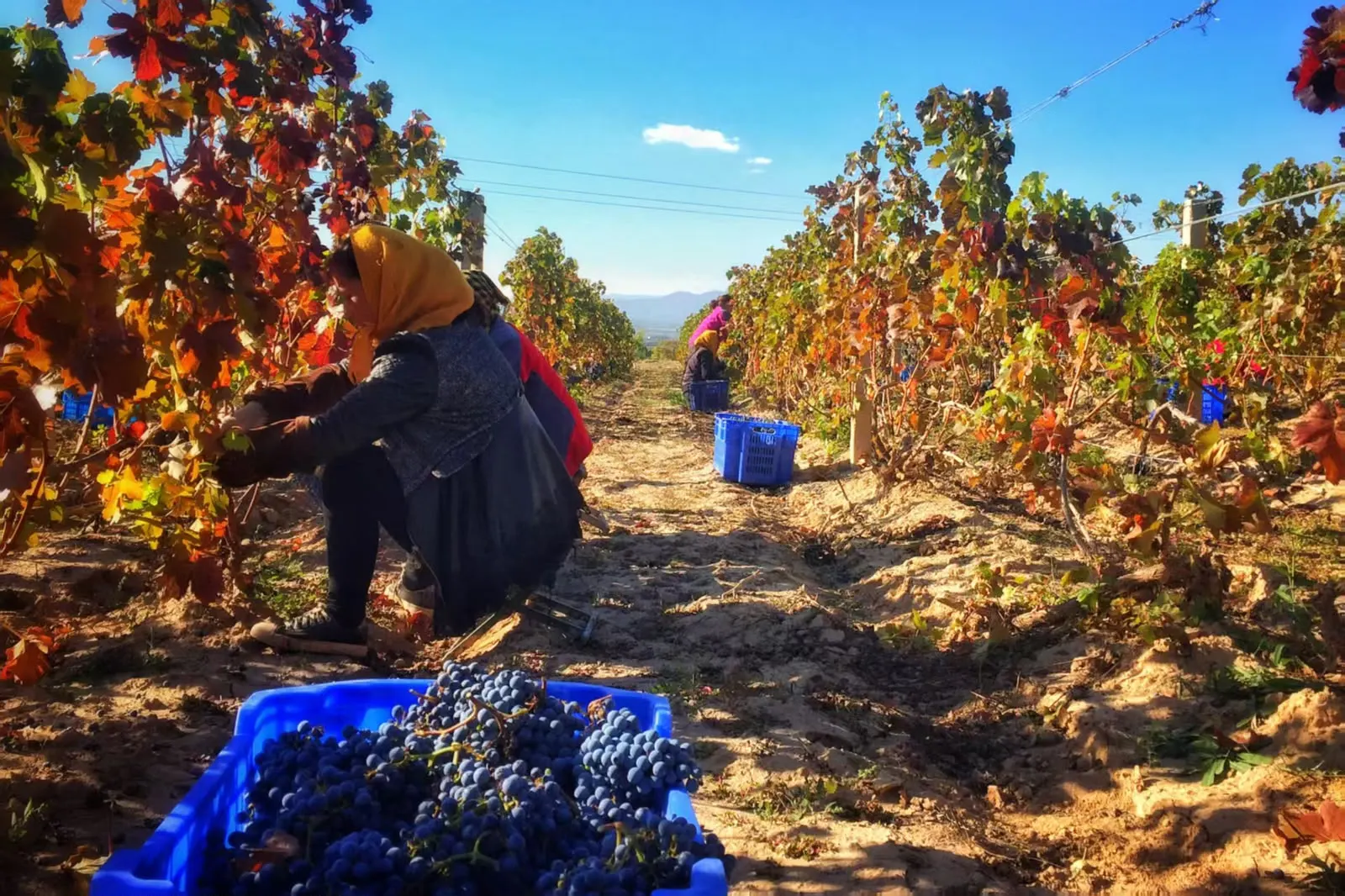
Early Chinese wines struggled with light colour and soft tannins. A French winemaker suggested planting Marselan, a dark, thick-skinned grape, as a blending partner. It turned out to resist rain, carry real flavour and shine in its own right. Judy sees why more people now talk about it as China’s possible equivalent of Sauvignon Blanc in New Zealand or Syrah in Australia: a climate of summer rain and buried vines favours thick skins. She stays cautious, though. The question she hears most is whether Ningxia beats Shanxi or Shandong, and her answer is that it comes down to what you plant where, and how a changing climate shifts that. Her approach is to keep an open mind.
The cellar is just as experimental: stainless steel, cement tanks and amphora-shaped eggs sit alongside French barrels (mostly medium toast, with a little American oak). Local oak was tested but lacked consistency.
Selling direct in a country that logistics built
The 2008 Harvard Business School case study on Grace Vineyard no longer applies to anything, Judy says with a laugh. The biggest change is direct to consumer. China’s logistics are fast and affordable, shoppers are used to buying online, and social media is huge. Grace built its own direct channel early on, mainly to hear from customers rather than depend on a distributor, and it has grown into one of the winery’s biggest areas. Restaurants and hotels in Hong Kong, Shanghai, Beijing and Shenzhen are mostly about branding and visibility.
Export is not a priority. Judy sees little logic in a repeat buyer abroad asking for a Chinese wine, and making wine in China is not cheap, so bottles often cost more than Chilean or Spanish ones. She does not rule it out in five to ten years, but the idea that the Chinese diaspora will order Chinese wine does not convince her. Many early immigrants were working class and had little exposure to wine, so they would reach for Tsingtao beer or soy sauce first.
Why Chinese consumers drink less wine
Judy’s reading differs from the European story. In China, young people are not drinking less for health reasons or out of generational caution. Wine used to be a business medium, drunk at banquets, and now people drink for pleasure, with far more choice: baijiu, the biggest spirit in the world, beer, whisky, cocktails and ready-to-drink drinks. Wine has lost its aura of sophistication and remains confusing to order. On non-alcoholic wine, she agrees it makes little sense: you lose the body and texture, and sparkling tea is a better answer if you don’t drink alcohol. Non-alcoholic beer, though, she rates.
Bordeaux as a model, then a lesson
When Judy started, Bordeaux was the pilgrimage site, and she asked herself what a Bordeaux château would do. She talked with Jean-Michel Cazes of Lynch-Bages, who told her he had not always wanted to run the business, because Bordeaux used to be hard. One day, walking through Bordeaux city, she realised that copying the château model was a mistake: history, market and customers were all different.
Producers from abroad used to visit China for the market. And every visit came with the same two questions: would she flood their market, or buy their château? Now visitors come for Grace’s social media and direct-to-consumer model, and the exchanges are technical. A cooperage that spent more than twenty years working with Grace even developed a barrel style for the winery that it now sells to clients outside China.
Jasmine gin, osmanthus and hawthorn
Over the years Judy wanted to shrink the winery and go boutique, but her team, mostly in their 30s, would have no future if it did. So she turned to spirits, starting with whisky and then gin, launched in 2018. Drawing on China’s tea and botanical traditions, she used only natural, handcrafted botanicals, including real jasmine tea sourced direct from the farm, osmanthus and hawthorn. Chinese drinkers do not know what Juniper or London Dry means, so she wanted a gin they could recognise by taste. Small bottles keep the natural botanicals fresh, and they are practical for a back pocket. Judy drinks it with soda water, or with ice for the hawthorn one, never with tonic. Tasted on the show at 41%, the jasmine is delicate, floral and very clean.
She also notes that Chinese producers can launch new products on a short cycle, from gin to sparkling to cider, with less tradition holding them back than a European family estate. The trade-off is less history to lean on.
The future: no appellations, and a brand in its awkward teens
On Chinese wine as a whole, Judy expects a shake-out, as in any boom: oversupply, consolidation, fewer players. But she is confident that Chinese wine will stay on the menu, with many restaurants and hotels now listing two pages of it. As for introducing an appellation system, she finds the idea very scary. China is still learning how to walk, she says, and nobody even knows what to plant where, so classification would be premature.
For Grace Vineyard, the challenge is more personal. Grace was the new kid in town, creative and approachable, and visibly better than its competitors. Today other producers have caught up, so much so that she wonders whether she could always pick out her own wine in a blind tasting. Grace is no longer new, but it is not a century-old château either. She compares it to a child actress who never became a superstar, with a certain image to carry and an iconic wine, Deep Blue, that she cannot repackage. Because many in the industry tried Grace as their first Chinese wine, there is still an emotional bond. How to reconnect with it is a question she says she has not solved yet.
A hands-on moment, an umbrella and 60 hectares
Her funniest memory dates from her first harvests, when she did not yet know how big 60 hectares is. Her vineyard manager warned that rain was coming and asked whether to pick. Fresh from banking, where one person does the job of three, she said not to worry: everyone could bring an umbrella to shield the vines. The manager asked which row she wanted covered.
Grace Vineyard also has 11 guest rooms, a place for families to gather. Judy’s nephews, who live in Indonesia, visit at least twice a year. There are tricycles, bottle painting and fruit picking for children, plus a high-end tent in the vineyard.
If this conversation sparks your curiosity about winemaking in China,
- our episode with Lionel Le Gal, consultant and expert in Chinese wine maps out the whole industry.
- Arthur Yeung on building Runaway Cow shows a newer winery shaping its own identity,
- while Fongyee Walker, mainland China’s first resident Master of Wine offers an expert’s view of quality.
- To follow the same adventurous spirit into spirits, listen to Maxime Girardin of Pegasus Distillery,
- and for more on consumption, read what young drinkers in China really want.
Judy Chan’s recommendations
A book: Let Only Red Flowers Bloom, by Emily Feng
A recent tasting she loved: Grace’s own two-year-old whisky, aged in Grace Vineyard wine barrels including Shiraz, which she says compares to a Scotch of around eight years in China’s warm climate, though with a higher angel’s share. It may be ready to bottle.
Discover:
- Grace Vineyard
- Silène, the wine bar where we recorded the episode: you’ll find here the best wine selection of Hong Kong
Amazon links on this page are affiliate links. They cost you nothing extra, and they help me keep this going.