The wine label: now there is a big subject. Welcome to this 4th episode of The Club, the podcast that helps you learn wine simply so you can finally enjoy it to the full. In the previous episode, I taught you how to taste wine. Now that you know exactly how to drink wine, we are going to discover the secrets hidden behind a wine label. By the end of this episode, you will finally be able to find your way around the wine aisles of your supermarket or at your wine merchant. So let’s take a closer look at wine labels. As you will see, a label on a bottle is not just a simple piece of paper. First of all, a wine bottle label contains a great deal of information that will help you choose your wine well and know what you are drinking. What’s more, the wine label is a communication and marketing challenge that is particularly interesting to understand.
The information on a wine bottle label
First, the information on a wine bottle label. Reading a wine label is essential to understanding what you are about to buy or taste. Just before we begin, note that a wine must have a label in order to be sold.
The mandatory elements on a label
Four elements are mandatory on a wine bottle label:
- The name of the château, the estate or the grower must appear on the bottle;
- The appellation: this lets you know where the grapes come from and which winemaking methods were used;
- The bottling method.
- Finally, legal elements such as the alcohol content.
The optional elements on a bottle label
Next, you may find other optional elements:
- The vintage: that is, the year the grapes were harvested. This is an important element for knowing whether the bottle is ready to drink or whether you can still age it in your wine cellar.
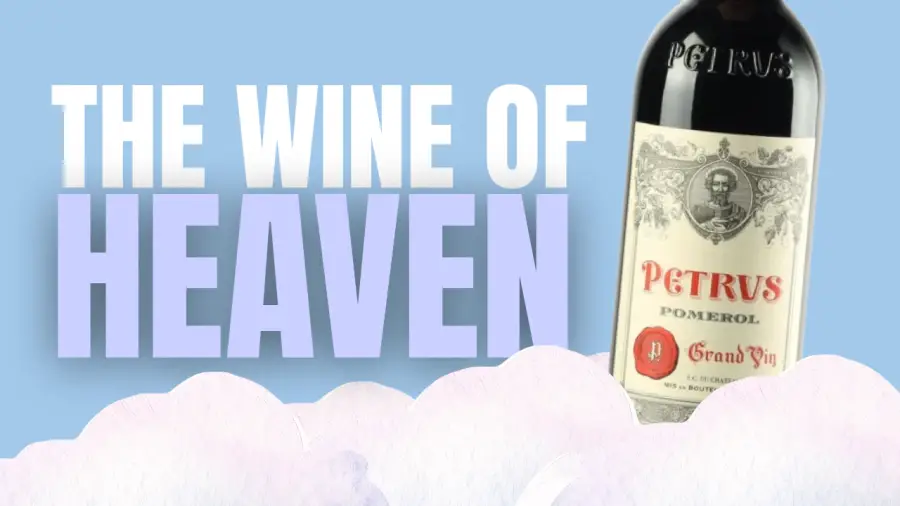
- Terms such as “Grand Vin” or medals: don’t pay too much attention to them, these terms are not regulated and the quality of medals varies greatly depending on the competition.
- Some terms are governed by law and are a sign of the wine’s quality. This is the case for certain classifications such as the grands crus classés of 1855, the classification of the wines of Saint Émilion, and many others. We could do a whole episode on these classifications.
- The growing method can also be mentioned on the label. For example, you may find the organic farming label. This certifies that the vineyard has adopted these practices. Be careful, though, some vineyards practise organic farming but have not gone through certification. So you can’t call it an organic wine, but the vineyard’s practices are nonetheless organic.
- Finally, the label often mentions a description of the wine to help you with your choice and your tasting. You will find a brief description of the aromas, the grape varieties present, a food and wine pairing suggestion and the ideal serving temperature. Some wines also mention the possible aging time.
We will do an episode on how to choose your wine, but be aware that focusing on the region, the grape varieties, the vintage, the growing methods and the name of the château should normally let you make a good choice. Finally, some wine labels let you authenticate the wine. This is the case, for example, at Château Palmer, as Thomas Duroux, the general manager, explained in a previous episode of the podcast. Such a feature helps fight counterfeiting. Before going further into decoding wine bottle labels, you should know that some people collect labels. It’s an excellent way to remember your tastings. So be aware that you can detach the label from a bottle of wine. To detach the label from a bottle of wine, simply pour very hot, even boiling, water inside the bottle. It’s something you can also ask for in fine restaurants or in prestigious wine bars if you want to keep these memories.
Marketing and the stakes of the label on a bottle of wine
Now that you know the elements of the wine label and what they mean, let me suggest we go a little further to really understand the label on a bottle of wine. When you buy wine, you sometimes have the chance to taste it before buying. This is the case if you go to tastings, to wine fairs or even at your wine merchant in some cases. However, in most cases, you don’t have the chance to taste your wine before buying it. You may even buy your wine online. In that case, if you can’t taste the wine before buying it, your purchasing decision is based on one thing: its label and everything it contains.
Yellow Tail’s arrival in the United States
So the label on a bottle of wine clearly plays a marketing role. To support this, I would like to tell you the story of a bottle of wine arriving in the United States. The story takes place at the very start of the 2000s. The wine market in the United States was then dominated by five big groups that shared 50% of the market. The other 50% was held by hundreds of small players. What’s more, the alcohol market in general was dominated by beer and spirits rather than by wine. And yet, an Australian wine was about to arrive on the market and take a significant share of it. That wine is Yellow Tail. We aren’t talking here about the quality of the wine but rather about the way it was sold and just how much of a commercial success it was. Sales of this bottle of wine went from 225,000 cases when it launched in 2001 to 8.1 million cases in 2006. During the first five years on the market, Yellow Tail became the fastest-growing wine brand in the American market. But how can we explain this incredible success in a market locked down by traditional players? One of the factors that largely explains this success is: the label on the bottle of wine. On this label you find the name of the wine in brackets, along with an image of a kangaroo. Nothing could be simpler or more recognisable. The back label, on the back of the bottle, avoids all the oenological terms that might scare off the consumer and focuses on conveying a simple message: it’s a good wine, it comes from Australia, it’s accessible and you can easily share it. Add to that a very good marketing strategy and an attractive price positioning and you have the story of a commercial success. Interestingly, in the following years, nearly one in five wines imported into the United States featured an animal on its label.
Other studies on the label and the purchasing decision
What’s more, other studies on the impact of a label’s colour on consumer choices have been carried out. For example, in 2007, Palmer and Boudreaux studied the various elements of a wine label. They showed that colour had a very significant impact on all consumer choices. Other studies have also analysed the weight of the various pieces of information on a bottle of wine in leading to a purchase. In these studies, the importance of origin appears to be consistently the dominant element in the consumer’s choice, followed by the grape varieties, the brand, the possible food and wine pairings, the vintage, the awards won and, finally, the alcohol content. Finally, there is a difference between wines with a long history, such as those from the most traditional regions, and new wines made by young producers. The clearest difference would be between a premier grand cru classé of Saint Émilion and a natural wine from the Loire or Beaujolais. The label is not the same because the history and the message to convey are not the same. On one hand you have the centuries-old excellence of an estate passed down from generation to generation, and on the other the attempt at a new path by young enthusiasts. On this subject, a 2012 study by Elliot and Barth showed that, in the French market, consumers prefer traditional labels regardless of their age group. This preference for traditional labels comes from the fact that they reduce perceived risk. Indeed: who could blame you for buying a bad wine when the label is as classic as can be? The label therefore clearly plays a role and tells you a story. Happily, thanks to this episode, you now know how to decode labels and understand exactly what they mean. You will be able to buy wine that makes you happy and carry out many tastings.
And there you go, well done, you now know how to read a label on a bottle of wine well. Wine is not a drink like any other. It isn’t enough to read that little piece of paper to truly understand it. Learning wine is crucial to finally being able to enjoy it fully. So I will see you in the next episode.
In the meantime, a label can suggest a dish, but it cannot tell you why the match works. Our food and wine pairing method teaches you that mechanism, so you can pick the right bottle for any meal yourself.