Reading a wine label helps you choose the right wine. Indeed, by understanding the elements of the label, you’ll be able to work out whether the wine will suit you. A wine label contains many elements that need to be decoded. We’ll also help you understand why the label is crucial, and we’ll give you all the tips for reading it well.
Why a wine’s label is important
The label is the identity card of the wine you’re about to taste. So it’s crucial to understand what’s written on it. First, the label is of vital importance because it makes it possible to sell the wine. In other words, it’s impossible to sell a wine without a label, at the risk of severe punishment from the authorities. The wine label also helps prevent counterfeiting! On that note, the greatest wines fit a particular technology into their labels to guarantee the provenance of their wine. That’s reassuring for the consumer. What’s more, the label is an excellent means of communication between the wine producer and the consumer. It’s the intermediary through which the producer can pass on all the information about their wine and draw the consumer’s attention to its strong points. The consumer, for their part, draws from the label all the information needed to assess the quality of the wine they’re about to buy or drink. Now that you’re aware of how important a wine bottle’s label is, let’s focus on how to read a wine label.
How to read the label of a wine bottle?
The labels on wine bottles vary depending on the region. So reading a wine label is not the same exercise if the wine comes from Bordeaux or from Burgundy.
Reading wine labels: Bordeaux wines
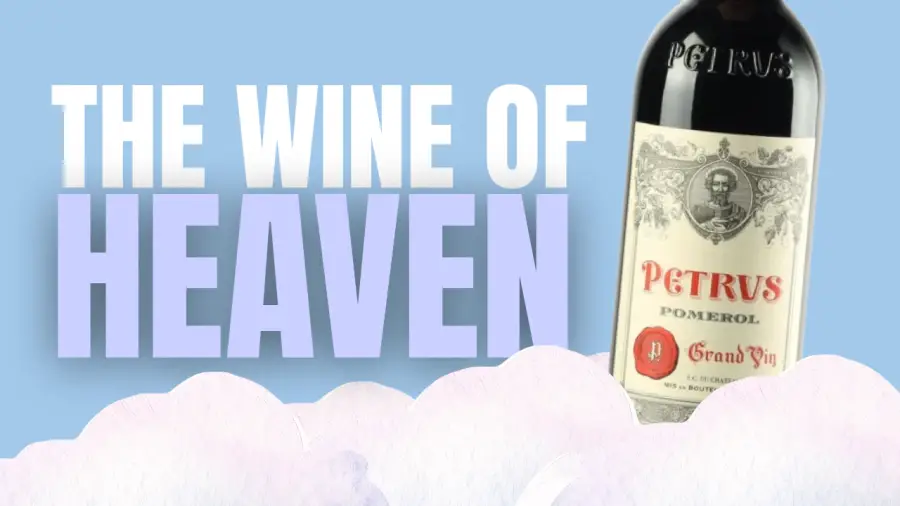
The label of Bordeaux wines contains mandatory elements and optional ones. First, the name of the château is a mandatory mention. Failing that, the estate can include the name of the grower. This is the first element for identifying the wine. The name of the château also adds great precision if the bottle states “mis en bouteille au château” (bottled at the château). The label also contains the name of the appellation. This is a mandatory element of the wine label. The appellation makes it possible to certify that the grapes come from a particular appellation area and that the winemaking methods comply with the specifications of that appellation. In addition, the bottling method is also a mandatory mention on a wine bottle’s label. It specifies how the wine was bottled. The mention “mis en bouteille au château” can be a sign of quality, but it shouldn’t be the only one, as we explained in the article on choosing your wine. The label can also contain other elements such as a classification. The mention of a classification is not mandatory. We’ll soon write an article on classifications in wine to help you find your way around them. Finally, mentions like “Grand Vin” or “AOC” don’t say much about the wine: anyone is free to use them. Don’t rely on these elements to make your wine choice. However, you can find interesting information for estates that have several cuvées. In particular, you’ll be able to tell the first wines from the second wines.
Reading wine labels: Burgundy wines
The label of Burgundy wines is different from the label of Bordeaux wines. So the label of a Burgundy wine shows the name of the village followed by its classification. The premier cru and grand cru mentions always carry real value in Burgundy, highlighting wines that will be better suited to aging. In addition, the label of a Burgundy wine mentions the lieu-dit. The lieu-dit is called the “climat”. If this indication is followed by the word “monopole”, you can deduce that the climat belongs to that one estate alone.
Reading wine labels: Alsace wines
Finally, unlike other wines, you often find the name of the grape variety on the label of an Alsace wine. This difference is explained by the fact that there are only two appellations in Alsace: Alsace AOP and Alsace Grand Cru AOP. So it’s hard to get an idea of the wine from these elements alone, which is why the grape variety is mentioned.
The back label of the wine
The back label is the label found on the back of the wine bottle. The information on this label helps give the consumer more detail and avoid overloading the bottle’s main label. Generally, you’ll find a description of the wine, the grape varieties present, the aging potential, the serving temperature, or food and wine pairing tips. It should be stressed that the mandatory mentions from the label can also be written on the back label. This is often the case for the alcohol content.
A few tips for reading a wine label well
In many ways, the label is the identity card of the wine. It helps you get a lot of information about it and make an informed choice. Reading the label is therefore essential for choosing your wine well. However, stay wary of labels that are too tempting. Whether through graphic elements or well-turned text, some labels are mostly designed to attract the consumer. As a result, don’t rely solely on the graphic design of the label. A pretty label is always pleasant, but it’s not enough on its own to choose your wine! So knowing how to read a wine label is a crucial part of choosing your wine well. When reading a wine label, you’ll be able to work out whether the wine is right for you. One thing is for sure: once you’ve chosen your wine, all that’s left is to taste it. So, cheers!