On Monday 7 September, at the Cité du Vin in Bordeaux, Michelin published its first ranking of Bordeaux estates. It is the second of these it has done, after Burgundy in July, and it uses grapes instead of stars: three grapes at the top, then two, then one, then a “selected” tier below that.
The headline wrote itself. Château Margaux, Mouton Rothschild and Haut-Brion, three of the five first growths of 1855, got two grapes and finished below several second growths. Château Latour is not in the guide at all. Neither are Ducru-Beaucaillou, Léoville Poyferré or Pavie.
Then you read the actual list, and the news evaporates.
What Michelin actually published
Eighty-three estates, across the Médoc communes, Pessac-Léognan, Saint-Émilion, Pomerol, Sauternes and Barsac. Nine got three grapes, sixteen got two, thirty-seven got one, and twenty-one were listed as selected.
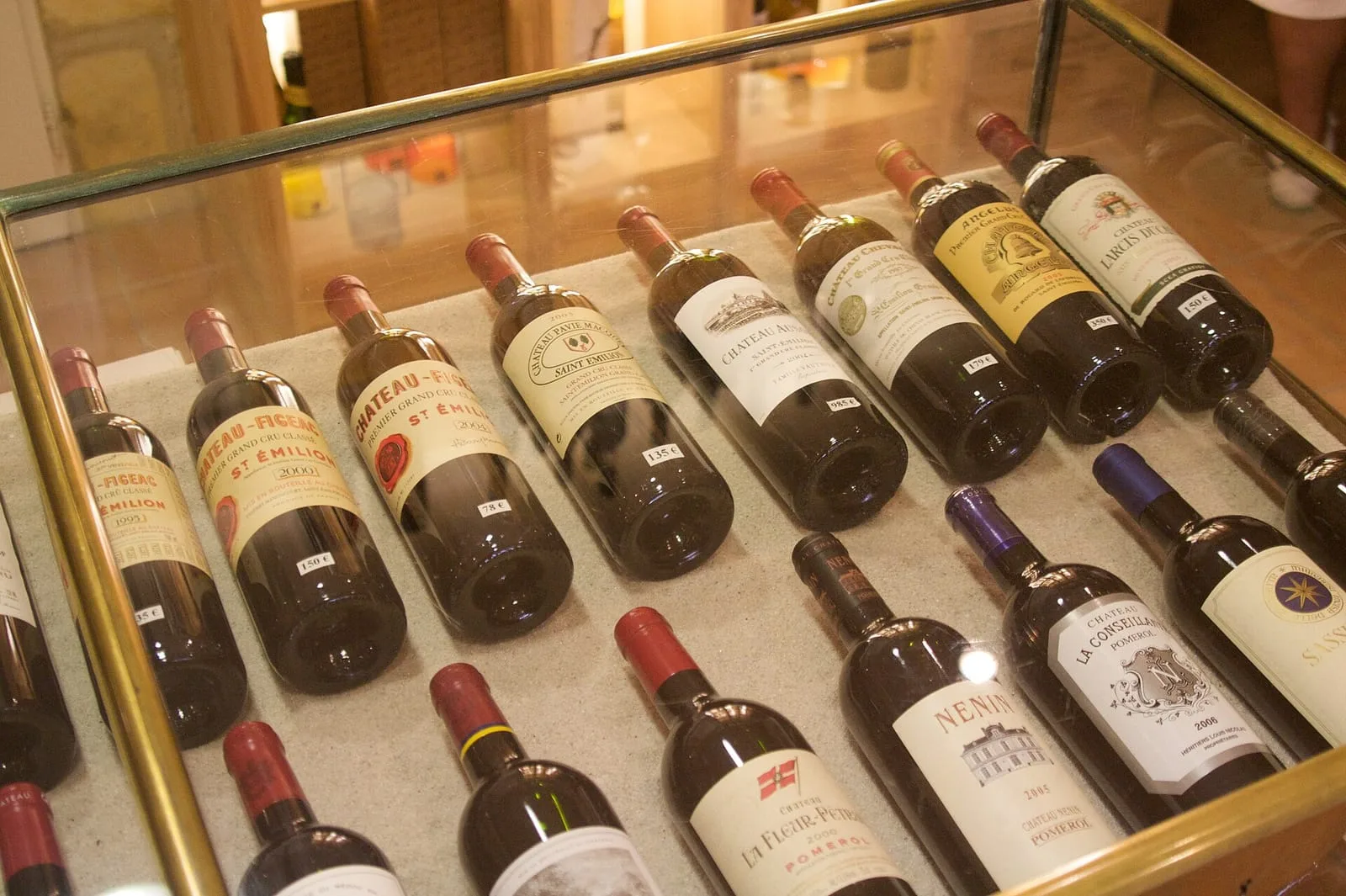
The nine at the top: Montrose in Saint-Estèphe, Lafite Rothschild in Pauillac, Léoville Las Cases in Saint-Julien, Petrus, La Conseillante and Lafleur in Pomerol, Cheval Blanc and Figeac in Saint-Émilion, and d’Yquem in Sauternes.
The criteria are agronomy, technical mastery, identity, balance and consistency. Estates are judged across vintages rather than on a single bottle, which is a genuinely better idea than scoring one wine out of one hundred and calling it settled. Michelin has the raw material for it too: it bought Robert Parker Wine Advocate in 2019, and with it something like 50,000 tasting notes.
One detail worth putting on the record, because it is the opposite of how the restaurant guide works. The winery visits are not anonymous. Michelin’s inspectors turn up as Michelin. Whatever you think that is worth, it is a different exercise from a man quietly eating lunch and paying the bill.
The nine at the top are the nine you would have guessed
Look at what those names already were before Michelin arrived.
Four of them are 1855 classified growths: Lafite, Léoville Las Cases, Montrose and Yquem. Two are Saint-Émilion classified growths: Cheval Blanc and Figeac. The other three, Petrus, Lafleur and La Conseillante, are in Pomerol, which has never had a classification at all, and are precisely the three Pomerols that have spent forty years at the top of every price list and every auction result on earth.
So the “new hierarchy” is: the most famous estates in the Médoc, the most famous estates in Saint-Émilion, and the three most expensive wines in a district with no ranking. Vitisphere’s verdict on it was that the guide is pushing at open doors on autopilot, and that is about right.
The snub is real but it is small. Margaux, Mouton and Haut-Brion did not get demoted to the bargain bin, they got two grapes out of three, which puts them alongside Palmer, Pichon Comtesse, Ausone and Angélus. That is not a scandal. That is a rounding error in a list where every single entry is a wine most people will never open.
Bordeaux has been re-ranking itself for 170 years, and it never goes well
This is the part where Antoine’s question comes in, and it is the right question. Is there any point running the same twenty-odd wines through the tasting-and-ranking machine over and over?
The record is not encouraging.
The 1855 classification was not a quality judgement. It was a list of what Bordeaux brokers were charging, compiled in a hurry for the Paris Exposition Universelle, and frozen. In 170 years it has been altered once, in 1973, when Mouton Rothschild was promoted after decades of lobbying. It has never been revised since, and the reason is obvious: the value of being in it now vastly exceeds anyone’s appetite for reopening it.
Saint-Émilion went the other way and revises roughly every ten years, and it has been a running disaster. The 2006 edition was annulled in the courts. The 2012 edition produced years of litigation. And in the run-up to the 2022 edition, Cheval Blanc and Ausone simply walked out, in July 2021, followed by Angélus in January 2022, all of them arguing that the criteria had drifted away from wine and towards marketing, tourism and social media. That left two Premiers Grands Crus Classés A, Pavie and a newly promoted Figeac, where there had been four.
Here is the thing that should end the argument. Cheval Blanc left the classification, and nobody stopped buying Cheval Blanc. Its price did not move. Its reputation did not move. Michelin has now given it three grapes anyway.
Which tells you what these rankings actually measure. They do not create the hierarchy, they describe one that already exists and is enforced by price. A new ranking that agrees with the old one has told you nothing. A new ranking that disagrees with it gets ignored, as Saint-Émilion has now demonstrated twice.
The thing nobody ranks
Bordeaux has somewhere around 5,000 growers and 65 appellations. Michelin looked at 83 estates, in six or seven of the most expensive appellations, and none of the wines involved will ever be a Tuesday bottle for anyone reading this.
Meanwhile the interesting question in Bordeaux right now is not whether Lafite deserves its third grape. It is that the region has pulled out something like 18,000 hectares of vines in three years, that it made 10% more wine off 5% less land this year, and that the good stuff in Castillon, Fronsac, Blaye and the Saint-Émilion satellites is currently cheaper than it has been in a decade because the name on the label is out of fashion.
Nobody is ranking those. There is no guide, no grapes, no gala at the Cité du Vin. And that is where every euro of actual value in Bordeaux is sitting.
So is it worth doing again?
For Michelin, obviously yes. It bought Parker in 2019, it wants wine to sit inside the same gastronomy-and-hospitality universe as its restaurants and hotels, and Bordeaux is the most legible wine region in the world to a general audience. This is a brand extension and it works as one.
For you, we would say no, with one exception. The exception is the criteria. Judging an estate on consistency across vintages rather than on a single bottle in a single year is a real improvement on the 100-point score, and if that idea spreads it will have been worth the exercise.
But the list itself is a rematch nobody asked for between competitors who all won last time. The nine names at the top were the nine names at the top before Monday. The only genuinely new information in the whole guide is that Latour did not participate, and Latour has not needed anyone’s permission for a very long time.
Buy the Castillon.
Sources: Un Oeil en Salle on the full Michelin list, Vitisphere on the guide stating the obvious, Vino Joy News on the first-growth snub, Decanter on Cheval Blanc and Ausone leaving Saint-Émilion, Liv-ex on what the withdrawals did to prices
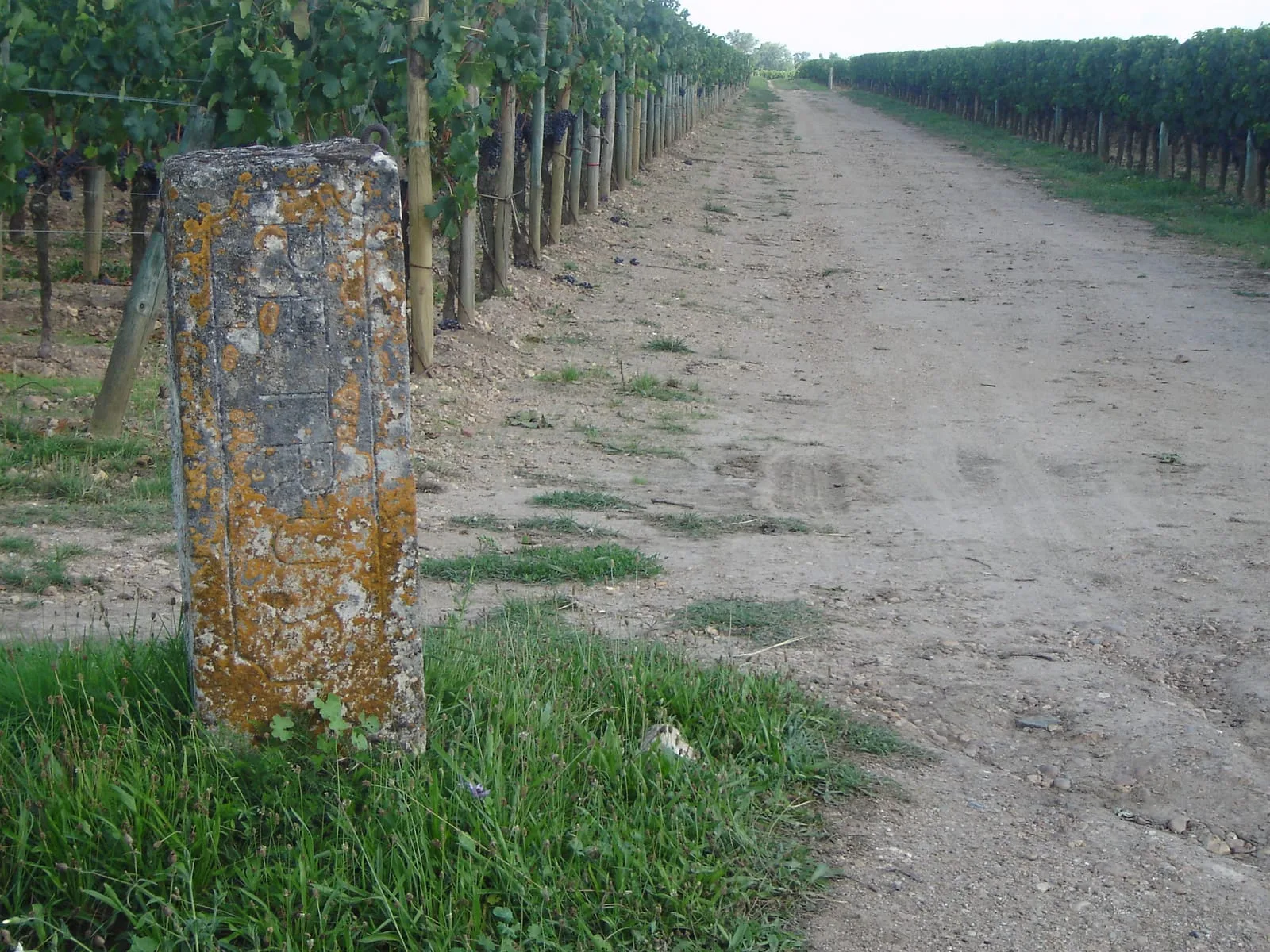
Hero photo: a boundary marker in the Petrus vineyard, Pomerol, by Hullie, public domain, via Wikimedia Commons.