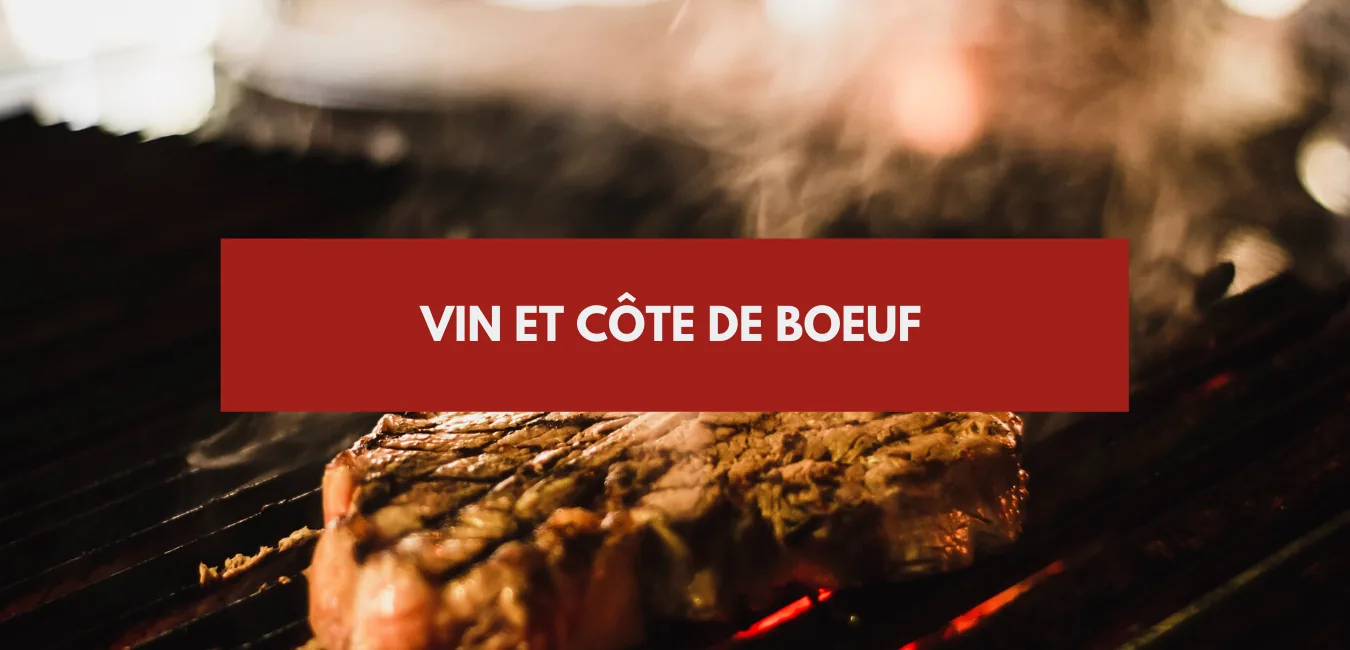
With steak, pour a dry red and match its weight to the cut. Fatty ribeye takes a bold Cahors or Malbec. Lean fillet wants a Burgundy Pinot Noir. Sirloin sits happily with Bordeaux, and a T-bone loves Chianti Classico. The rarer the meat, the more tannin it handles.
Most answers to this question stop at “drink a big red”. That is not wrong, but it is not much help when you are standing at the counter with a ribeye in one hand and a phone in the other. The cut decides the fat, the fat decides the wine. Here is how we pair them, cut by cut.
Why does the cut change the wine?
Two things decide the match: fat and texture. Tannins bind to protein and fat, which is why red wine and beef became a couple in the first place. The more marbled the cut, the more tannin it can absorb without tasting harsh. A ribeye is laced with fat and swallows a young, grippy wine happily. A fillet has almost none, so the same bottle rolls straight over it and all you taste is the wine.
Salt does its share too. A well seasoned crust softens the feel of tannin, which is why a young Bordeaux tastes rounder next to a steak than it does on its own. It is the same logic we use across the whole wine pairing guide: match weight with weight, then adjust for fat, salt and acidity.
What wine goes with each cut?
| Cut | Wine to look for | Why it works | Rough price |
|---|---|---|---|
| Ribeye, entrecôte | Cahors, or Argentine Malbec | Firm tannin cuts through the marbled fat | €10 to €20 |
| Sirloin, faux-filet | Saint-Julien, Pauillac | Cedar and blackcurrant flatter a beefy, leaner cut | €25 to €45 |
| Fillet, tournedos | Volnay, Chambolle-Musigny | Silky tannin lets a delicate cut speak | €35 to €70 |
| T-bone, porterhouse | Chianti Classico Riserva | Acidity resets the palate between two textures | €18 to €30 |
| Côte de boeuf | Pomerol, Châteauneuf-du-Pape | Weight and warmth for a big shared roast | €25 to €50 |
| Dry-aged steak | Cornas, Saint-Joseph | Savoury Syrah meets the nutty edge of aged beef | €20 to €45 |
| Barbecued steak | Faugères, Corbières, Côtes du Rhône | Smoky, herby fruit echoes the char | €8 to €16 |
| Steak with peppercorn sauce | Crozes-Hermitage | The wine has its own peppery streak | €14 to €25 |
What wine goes with ribeye?
Ribeye, entrecôte in French, is the fattiest of the everyday cuts and by far the easiest to pair. All that marbling melts into the meat and gives tannin something to hold on to, so you can go big without wrecking anything.
Our first choice is Cahors, made from Malbec, dark and firm and usually under twenty euros. Argentine Malbec from Mendoza does the same thing with rounder fruit. After that, Cabernet Sauvignon in any accent: a Médoc from Bordeaux, a Coonawarra, a Napa Cabernet if you like ripeness. What we would skip is anything delicate. A village Burgundy next to a ribeye simply vanishes.
What wine goes with sirloin or rump steak?
Sirloin, faux-filet, striploin, New York strip: same family, leaner than ribeye but still properly beefy. This is the Bordeaux slot. Saint-Julien, Pauillac, Saint-Estèphe or a Saint-Émilion Grand Cru all land well, and a bottle with eight or ten years on it beats a two-year-old one because the tannin has settled and stopped fighting.
Rump, romsteck, is chewier and cheaper, so match the budget rather than the prestige. A Corbières, a Costières de Nîmes or a Douro red gives you the same structure for a third of the price.
What wine goes with fillet steak?
Fillet, filet mignon, tournedos: the leanest, most tender and least flavourful cut on the animal. This is where the “big red” reflex does real damage. A young oaky Cabernet or a muscular Ribera del Duero will flatten it, and you will have paid a lot for the privilege.
Go the other way. Pinot Noir is the classic answer: Volnay, Chambolle-Musigny, Savigny-lès-Beaune, or a good Oregon bottle. If the fillet arrives wrapped in bacon, under a rich sauce or with foie gras on top, step up to a mature right-bank Bordeaux, which has the weight without the grip.
What wine goes with a T-bone or porterhouse?
A T-bone is two cuts on one bone, strip on one side and fillet on the other, so no single extreme works. You want mid weight and real acidity, something that can flatter the lean half and still handle the fat half.
Tuscany solved this centuries ago. Bistecca alla fiorentina and Chianti Classico Riserva is one of the great pairings, and Brunello di Montalcino is the same idea with more money attached. The acidity in Sangiovese resets your palate between bites, which matters when the steak weighs a kilo.
What wine goes with côte de boeuf?
Côte de boeuf is a thick bone-in ribeye, cooked whole and carved for two or more. It is a long, generous, slightly ceremonial meal, and the wine should match that mood rather than just the meat.
Right-bank Bordeaux is our default: a Pomerol or a Saint-Émilion Grand Cru, where Merlot gives flesh and roundness against the fat. Châteauneuf-du-Pape works beautifully for the same reason, and Cahors or a warm Languedoc covers it for less. Because the meal runs long, we usually open two bottles: something fresher while the meat rests, then the serious one when it is carved. It is a good excuse to raid the wine cellar.
What wine goes with dry-aged steak?
Dry ageing dries the meat out, concentrates it and adds a nutty, almost cheesy savour. Bright, jammy, fruit-forward wines fight that flavour instead of joining it.
Northern Rhône Syrah is the natural partner: Cornas, Saint-Joseph, Crozes-Hermitage, or Hermitage if the occasion justifies it. A mature Bordeaux of fifteen years or more works for a different reason, which is that it has lost its primary fruit and meets the aged beef halfway. Gigondas and a good Bandol red also hold up.
Does doneness change the wine?
More than most people expect. Rare meat is wet and fatty and handles young, tannic wine best. The longer it cooks, the drier and more browned it gets, and tannin starts to feel rough against it.
- Rare or blue: young and structured. Pauillac, Cahors, Madiran, Priorat.
- Medium: almost anything on this page.
- Well done: softer and more evolved. A Rioja Reserva with ten years on it, a Grenache led Côtes du Rhône, a Merlot dominated Saint-Émilion.
If a guest asks for well done, do not punish them with your most tannic bottle. Pour the rounder wine and everyone enjoys the meal.
What wine goes with steak on the barbecue?
Char is a flavour in its own right, smoky and slightly bitter, and it pushes the pairing toward wines with dark fruit and a bit of grip. Languedoc reds are made for this: Faugères, Saint-Chinian, Corbières. Côtes du Rhône, Zinfandel and South African Syrah all do the job too, and none of them need to cost more than fifteen euros.
Serve them cool, around 15 degrees, not at summer room temperature. With a thin grilled steak, a chilled cru Beaujolais such as Moulin-à-Vent is genuinely excellent and gets dismissed far too quickly. If you want a rosé at the table, make it a Bandol: it is the one rosé with the structure to survive a grilled steak.
What wine goes with steak sauces?
Once there is a sauce on the plate, it usually matters more than the cut.
- Peppercorn sauce: northern Rhône Syrah. Crozes-Hermitage or Saint-Joseph share the pepper and double it.
- Béarnaise: butter, egg and vinegar. That acidity flattens a heavy red and leaves it tasting dull, so pour a fresher one instead, a Chinon, a Loire Cabernet Franc, a cru Beaujolais.
- Blue cheese sauce: salty and loud, so it wants ripe fruit and softer tannin. Gigondas or a Zinfandel rather than a young Médoc.
- Mushroom or cream sauce: Burgundy, or any earthy Pinot Noir.
- Just salt and butter: follow the cut, as above.
Which pairings get steak wrong?
Three mistakes come up again and again.
The first is white wine with a rare steak. There is no tannin to bind the fat, and a salted, charred piece of beef simply outweighs most whites, which end up tasting thin. It is not a life rule, a rich white with a cream-sauced fillet is lovely, but with a bleeding ribeye it is a downgrade.
The second is reaching for the biggest bottle by default. Pepper wakes up the burn of the alcohol, so a 15.5 percent red tastes hot next to a peppery steak, and the meal gets heavy by the second glass.
The third is temperature. Red served at 20 degrees or more tastes alcoholic and blurry, which undoes half the pairing before you start.
How should you serve the wine?
Aim for 16 to 18 degrees for reds. Most kitchens run warmer than that, so twenty minutes in the fridge before pouring is usually the fix. If the bottle is young and tannic, decant it an hour ahead: it will taste rounder against the meat. Our guide to red wine serving temperature has the detail per style.
Steak is the most forgiving pairing in wine, which is exactly why it is worth getting right: small adjustments show up clearly. If you want the reasoning behind all of this rather than a list, the wine pairing guide walks through it properly. And when the crust is right and the bottle is open, it is worth raising a toast.
Frequently asked questions
What is the best all-round wine for steak?
If you only want one answer, a Cabernet Sauvignon based Bordeaux from the Médoc with a few years of age on it. It has enough tannin for a fatty cut, enough freshness for a lean one, and it works with salt, char and pepper alike. A Cahors or a good Argentine Malbec does the same job for less money.
Can you drink white wine with steak?
With a rare steak, usually not. There is no tannin to cut through the fat, and most whites lack the weight to stand up to a salted, charred piece of beef, so the wine disappears. The exception is a rich, structured white with a lean cut in a creamy sauce. A white Hermitage or an oaked white Rioja with a fillet in mushroom cream can be genuinely good.
What wine goes with a rare steak?
Rare meat is juicy and fatty, so it handles young, firm tannin better than any other doneness. This is the moment for a young Pauillac, a Madiran, a Cahors or a structured Priorat. The fat softens the wine and the wine cuts the fat. If the steak is well done, do the opposite and pour something older and rounder.
What wine goes with steak and peppercorn sauce?
Syrah from the northern Rhône. Crozes-Hermitage, Saint-Joseph or Cornas carry a genuine peppery streak of their own, so the sauce and the wine amplify each other instead of competing. Budget versions work fine here: a Syrah led Côtes du Rhône at ten euros does the trick. Avoid very ripe, jammy reds, which make the pepper taste harsh.
Do you need an expensive bottle for a good steak?
No. Steak is one of the most forgiving pairings in wine, because fat and salt flatter almost any decent red. A ten euro Corbières with a barbecued sirloin beats a badly chosen grand cru every time. Spend more when the cut is expensive and the cooking is careful, and keep the cheap and cheerful bottles for the grill.