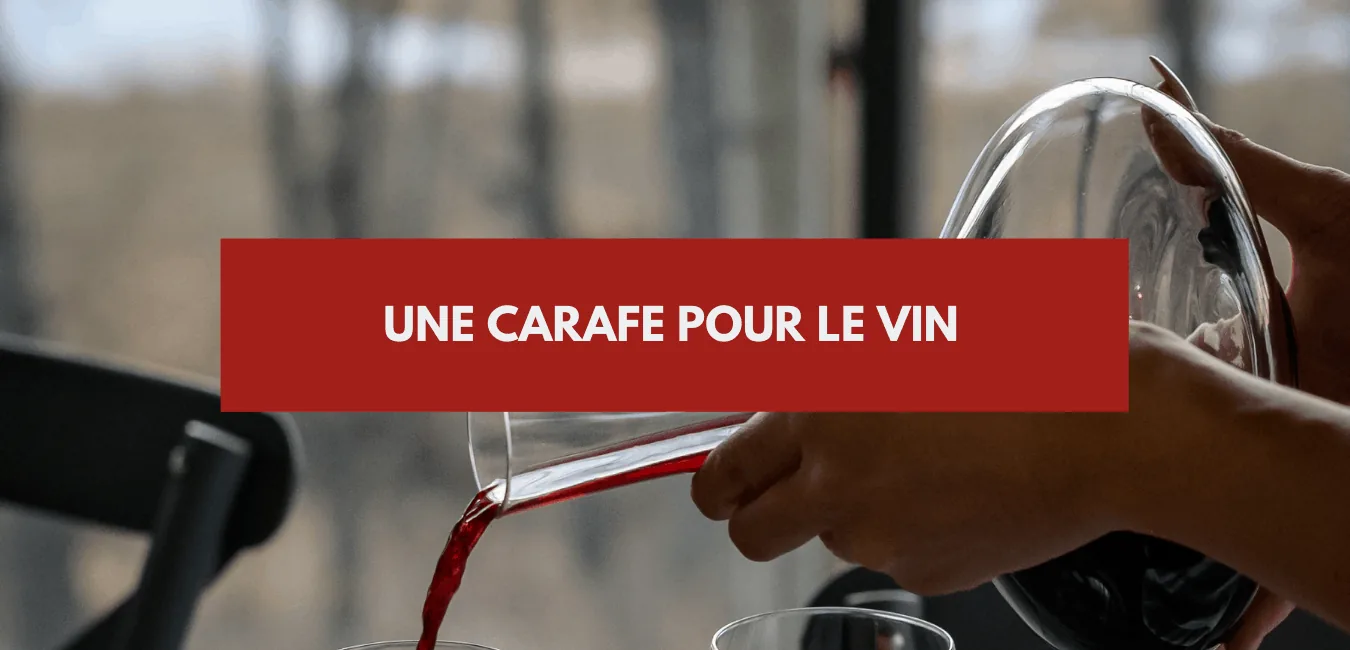
A wine decanter is the tool you use to aerate (or decant) wine. The point is to oxygenate the wine and let it open up. Younger wines usually want a real aeration, while older bottles are more often gently decanted. Either way, there are tons of decanter shapes out there. Here’s how to find the right one.
The buy links have been removed and the prices below are 2020 prices. They pointed at European listings that no longer resolve. The decanters and the reasoning still stand, but check the current price and availability yourself before buying anything named here.
Which decanter to choose?
To pick the right one, take a look at your wine cellar first, what are the wines? Young, mature, old, white, red? Every wine can go in a decanter, but some benefit far more than others.
Before buying, a few quick rules of thumb:
- Size matters. Not too big, not too small. Too big and it’s a pain to store, and tricky to pour for guests. Too small and you can’t fit the whole bottle, or there isn’t enough surface area to aerate properly.
- Material: glass or crystal. Crystal will obviously cost more.
- If looks matter to you, find a shape you love, but bear in mind some shapes are a nightmare to clean, and they’re rarely dishwasher-safe.
The different types of wine decanter
Just like there’s decanting and aerating, there are different types of decanters. Each one fits a different use. Here’s how to find the one that suits you.
The aerating decanter
The aerating decanter is for dinner with friends, professional events, or anytime you want to oxygenate a wine before tasting. It lets the wine breathe quickly, which is crucial for young wines to express their full aromatic range and show their qualities.
A few brands to look at:
-
- Royal Glass: Energy Carafe Graal, €85
- Schott Zwiesel: Cru Classic Fine, €45.90
- Lehmann Glass: Œnomust 120, €63
The decanting carafe
The decanting carafe lets you separate the wine from its sediment while limiting how much oxygen it gets. When you open older wines, they’re suddenly hit with a lot of air. A decanting carafe lets you remove the sediment with minimal exposure. The classic technique uses a candle behind the bottle: as the wine flows, you stop the moment the natural sediment appears. The point is to limit oxygen and serve clean, sediment-free wine.
The best decanting carafes:
- The Plaisir de la cave decanter at €47.95
- Final Touch’s PHA-ZAÏRE at €115
- The Peugeot Ibis Magnum at €79.99 on Amazon
How to choose a wine decanter
Different wines call for different decanters. A few pointers:
- For a young wine, white or red, an aerating decanter is the best pick. For older vintages, go with a decanting carafe.
- For high-alcohol wines, pick a decanter with a wide opening to really let it breathe.
- For easier serving, look for a decanter with a handle.
Wine decanter accessories
There’s a whole ecosystem of accessories. You’ll find tools to clean your decanter, like stainless-steel cleaning beads, funnels for pouring properly, drying racks so the decanter dries cleanly after washing, and wine aerators to speed up aeration once the wine’s in the decanter.
These can really make life easier and add to the pleasure. Your wine merchant, or our advice, can help you make the most of these tools.
A quick history of the decanter
The word carafe dates from the 16th century, from the Italian “caraffa”. Back then it was used to pour wine that had been kept in barrels, which was the standard container for storing and transporting wine. So the decanter is the bottle’s ancestor. The bottle came along in the 18th century and replaced the decanter for serving and shipping. Today the decanter still holds its place in restaurants and on the tables of serious wine lovers, anywhere you want a perfect pour.
Why decant?
You’ve just pulled a bottle from your wine cellar, how do you give it the best shot? Pick the right glass, of course. And before serving, there’s one essential move: aerating or decanting. The decanter is the unsung hero of a great tasting.
How to decant well
Honestly, you don’t learn to use a decanter from a book. By now you’ve got the basics. So go grab one and have fun at your next tastings, wow your friends at dinner. Over to you.
Amazon links on this page are affiliate links. They cost you nothing extra, and they help me keep this going.