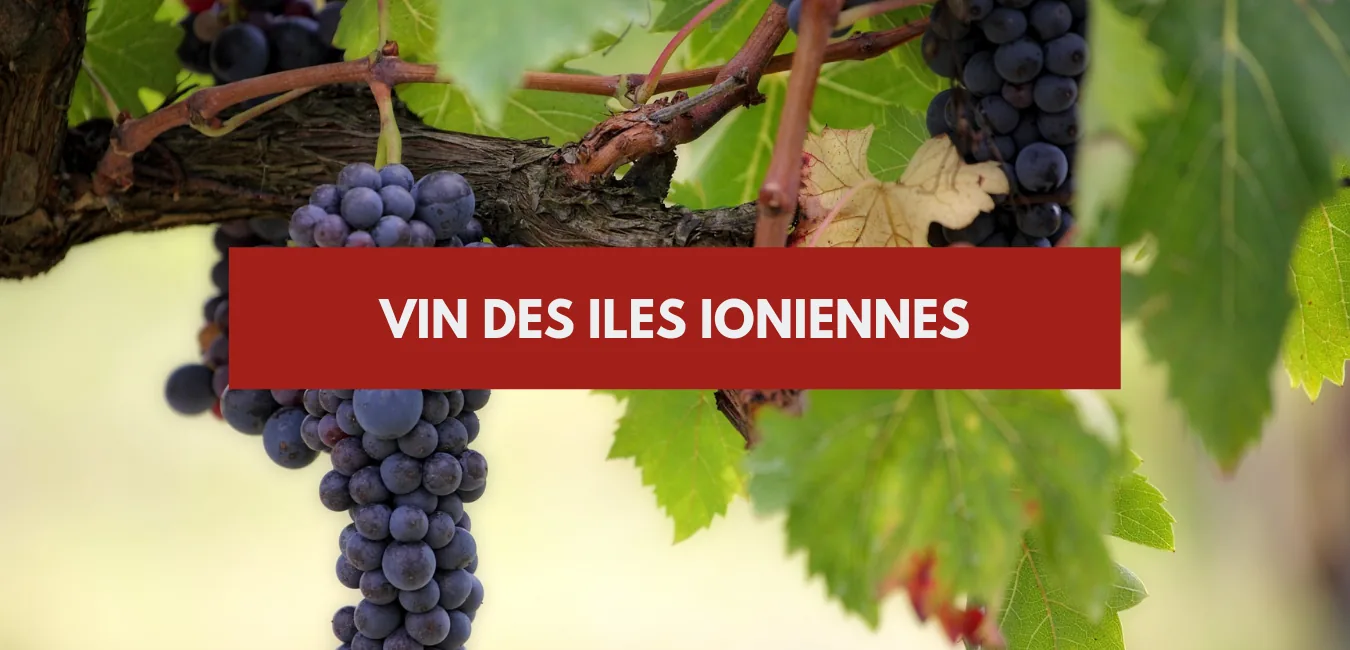
This article on the wines of the Ionian Islands is the sixth in our Greek wine series. Wine in the Ionian Islands has never been an activity that generated big revenues. Winegrowing in the Ionian Islands was more a noble expression of the grape and the work behind it. However, successive occupations of the region, by the Venetians and then the British, led to the development of wine trade and production. Although wine production exists across all the Ionian Islands, Cephalonia (Kefalonia) is a pioneer region. With a humid climate and heavy rainfall in autumn and winter, there’s no shortage of trouble for Ionian Islands wine. The semi-mountainous terrain of the islands strongly resembles the Peloponnese and the soil composition is very variable. Cephalonia produces the only dry white AOC wine in the region: the PDO Robola of Cephalonia. The Robola appellation includes wines produced on the island of Cephalonia, at an altitude of at least 50 meters and with a maximum yield of 56 hectoliters per hectare. The best wines, though, are produced at altitudes between 300 and 800 meters in this part of Greece. Even though phylloxera destroyed a large portion of the vineyards on the Ionian Islands, you can still find original vines. The largest producer of Ionian Islands wine is the Cooperative of Robola Producers of Cephalonia. This cooperative produces about 85% of the wine bearing the PDO Robola of Cephalonia. The rest of the Ionian Islands also have very interesting wines. It’s on these islands that Verdea was born: a wine with low alcohol content that’s been produced since the 19th century. Although it’s the largest island in the region, Corfu isn’t known for its wine production. That said, Lefkada has some magnificent vineyards. However, the high production altitude generally delays the harvest and the sugar accumulation process. You’ll find wines with tannins, aromas of herbs, spices and black fruit.
Wines of the Ionian Islands
The wines of the Ionian Islands are part six of our Greek wine series. Discover Cephalonia, its crisp Robola whites and a rich, layered winemaking past.
 Interviews
 Sep 21, 2026
#121 - Antoine Veiry: Brumont's Next Generation at Château Montus and Château Bouscassé
 Regions
 Sep 9, 2026
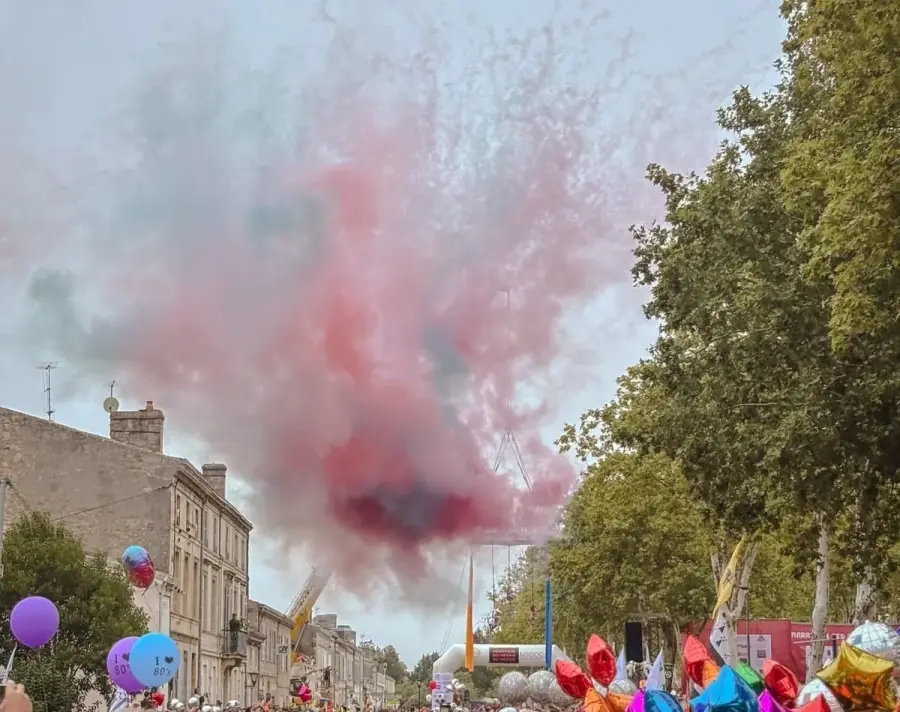
I ran the Marathon du Médoc, and it has ruined normal marathons for me
 Interviews
 Aug 3, 2026