Pour a dry Alpine white. Roussette de Savoie, Apremont or a Jura Chardonnay have the acidity to cut through melted cheese, cream and starch without adding weight. If you want red, keep it light and low in tannin: Mondeuse, Beaujolais or Jura Trousseau. Avoid big oaky whites and young tannic reds.
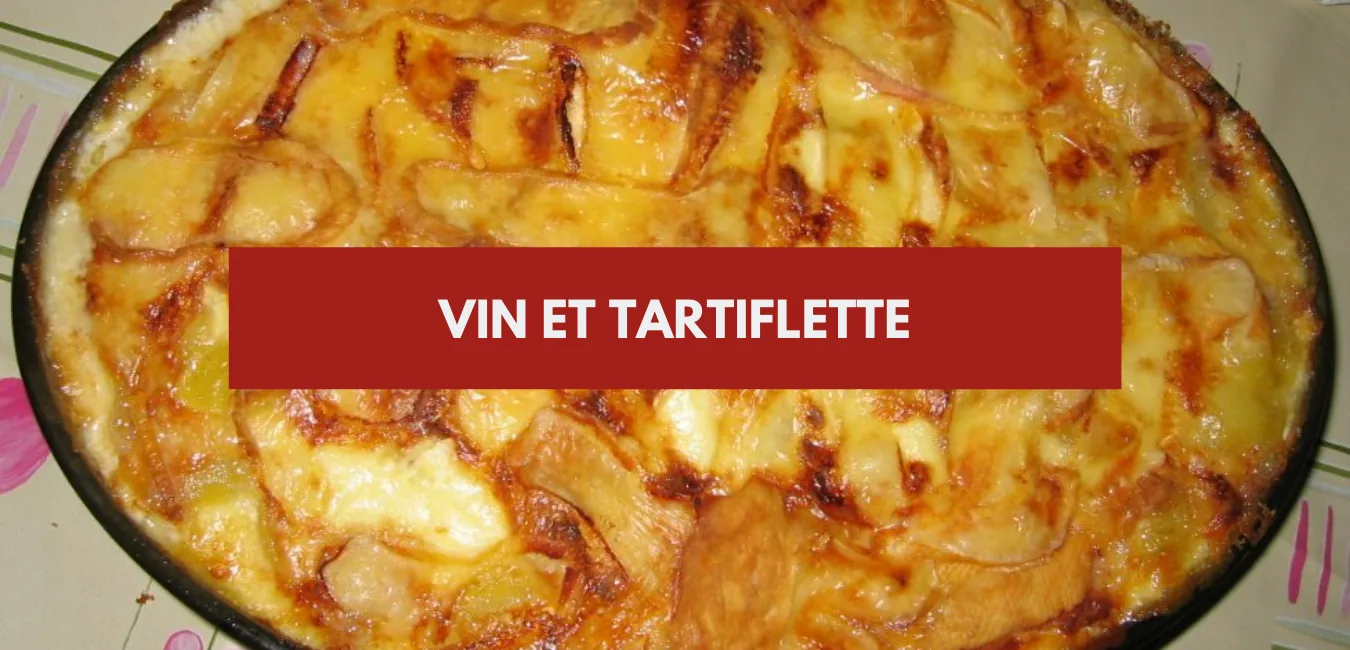
That is the short answer. A note on what has changed here: this page used to be about tartiflette alone. Tartiflette is still the star, but the same logic covers gratin dauphinoise, scalloped potatoes, a cheddar bake and anything else that leaves the oven bubbling.
Why is a cheesy potato bake hard to pair?
Look at what is actually in the dish. Melted cheese, so fat and salt. Cream or milk, so more fat. Potatoes, so starch, which absorbs everything and flattens flavour. Garlic and onion, so a little sweetness. Often bacon, so more salt and sometimes smoke. And it arrives scalding hot.
That combination does three things to wine. Fat coats the palate and kills soft wines, so without acidity your glass tastes tired by the second forkful. Salt, contrary to the usual advice, softens tannins and makes you salivate, so the real risk is that a delicate wine simply vanishes under it. And the dish is already rich and hot, so a wine at 14.5% alcohol on top turns dinner into an endurance test.
Three criteria, then, before you even think about appellations: real acidity, moderate alcohol around 12 to 13%, and little or no new oak. Everything else is detail.
What white wine goes with potato gratin?
White is the reference pairing, and the Alps win at home. That is not regional sentiment. Savoie grapes are built for exactly this: sharp, low in alcohol, unoaked, with a faint bitter grip on the finish that resets the palate between mouthfuls.
If you only remember one name, make it Roussette de Savoie, made from Altesse. It is the best compromise of the lot, with enough tension to cut the fat, enough substance not to be flattened by bacon, and a nutty undertow that answers a washed-rind cheese beautifully. The crus Frangy and Marestel are a step up if you find them.
The value option, and it is a very good one, is Jacquère: Apremont, Abymes, Chignin. Lemon, gunflint, barely 11.5% alcohol, and it does the job for under ten euros. The rich option is Chignin-Bergeron, made from Roussanne, rounder and more apricot-scented, perfect when the recipe is very creamy and a little heavy when the dish already is.
Outside Savoie, three directions genuinely work. The Jura first, with an unoxidised Chardonnay from the Côtes du Jura, or a Savagnin if you want to show off: walnut and curry spice against a mountain cheese is one of the great pairings of the genre. Alsace next, with a dry Riesling, whose acid line is unbeatable against smoked bacon. And Chablis, far easier to find in a British or American shop than anything Savoyard, and taut, unoaked and mineral in exactly the same way.
| Appellation | Why it works | Indicative price |
|---|---|---|
| Roussette de Savoie (Altesse) | Best balance of acidity and substance. Our first choice | 10 to 16 € |
| Apremont or Abymes (Jacquère) | Sharp, lemony, 11.5%. The value pick for this dish | 8 to 12 € |
| Chignin-Bergeron (Roussanne) | Round and apricot-scented, for very creamy gratins | 15 to 22 € |
| Chablis or Petit Chablis | Unoaked and mineral, and stocked almost everywhere | 12 to 22 € |
| Côtes du Jura Chardonnay (unoxidised) | More body, still taut, no invasive oak | 12 to 20 € |
| Arbois Savagnin | Walnut and spice on washed-rind cheese. The insider pairing | 18 to 30 € |
| Dry Alsace Riesling | The sharpest answer to smoked bacon and salt | 12 to 18 € |
| Mondeuse de Savoie (Arbin) | Peppery, fresh, fine tannins. The red that actually fits | 12 to 18 € |
| Beaujolais cru, Chiroubles or Fleurie | Fruit, freshness, almost no tannin. Serve it cool | 12 to 18 € |
One correction, because the opposite advice is everywhere: white Châteauneuf-du-Pape is a poor choice here. It is rich, warm, often past 14% and low in acidity, and on a dish that is already fat and hot it weighs everything down. Same warning for heavily oaked Chardonnay, from young Meursault to a Californian butter bomb: oak plus melted cheese saturates the palate fast.
Can you drink red wine with a cheesy potato bake?
Yes, and it is not a consolation prize. But the margin for error is much narrower than with white, and it all comes down to one thing: the tannins have to be fine and resolved.
Mondeuse de Savoie is the obvious choice, especially from Arbin. It is peppery, faintly wild, with brisk acidity and tannins that are present but tightly knit. It also happens to like smoked bacon, which very few reds genuinely do. Serve it cool.
Gamay is the other safe bet. A Chiroubles, a Fleurie or a plain Beaujolais-Villages brings fruit, very little tannin and plenty of freshness. In the Jura, Poulsard and Trousseau from Arbois play the same tune in a more unusual register: pale, almost translucent reds that never fight the cheese. A light Pinot Noir, village red Burgundy or Marsannay, works too if the vintage is supple rather than concentrated.
What does not work, and it is worth saying plainly: big tannic reds. A young Bordeaux, a Madiran, a Cahors, a red Châteauneuf-du-Pape or a heavily extracted Syrah are not hardened by the salt and the fat, which round their tannins out. The problem is scale: they bury the cheese, and their alcohol weighs down a dish that is already rich and scalding. Keep the serious bottle for another night.
What wine goes with gratin dauphinoise?
Real dauphinoise has no cheese in it. Potatoes, cream, milk, garlic, nutmeg, and that is the whole list. Without the salt and the washed-rind funk it is a gentler, silkier dish, so you can afford a rounder wine: Chignin-Bergeron, an unoxidised Jura Chardonnay, a village white Burgundy, even a dry Alsace Pinot Gris.
The practical point matters more than the appellation. Dauphinoise is usually a side dish, so pair with what it sits next to. Roast lamb wants a Northern Rhône Syrah or a red Bordeaux with a few years on it. Roast chicken, and a white Burgundy covers both plates. The gratin only takes over when it is the main event.
What wine goes with tartiflette, the French original?
Tartiflette puts the most pressure on the wine: Reblochon, lardons, onions softened in white wine, cream, potatoes. Salty, smoky and very fat at once. Stay with the Roussette or the Apremont, or with Mondeuse if the table wants red, and lean sharper than usual when the bacon is smoked. Skip oaked whites entirely, because smoke in the bacon and smoke in the barrel add up fast.
The two neighbouring dishes follow the same rules with small adjustments. With raclette the cheese is scraped rather than baked and there is more charcuterie, so the salt goes up. With cheese fondue the cheese is emulsified in white wine and kirsch, so the wine in the glass has to echo the wine in the pot.
What about scalloped potatoes and cheddar bakes?
Aged cheddar is sharper, saltier and drier than Alpine cheese, so the answer is more tension rather than more weight. Dry Alsace Riesling, Chablis and dry Chenin Blanc all shine: Vouvray sec, Saumur blanc or a South African Chenin give you cut plus a waxy texture that suits cheddar. A Gruyère or Comté bake points you back to the Jura. A casserole made with sour cream wants the sharpest thing in the fridge, often a Crémant du Jura, whose bubbles and acidity scrub the palate clean.
What temperature, and how much do you need?
Temperature is where most people lose the pairing on a scalding dish. Serve whites at 10 to 12°C, not ice cold, because straight from the fridge a Jacquère is just lemon with nothing behind it. Serve reds at 13 to 15°C, which means twenty minutes in the fridge before you sit down. A red at room temperature in a heated kitchen tastes soft and alcoholic, and correcting that is the biggest single improvement available to you.
On quantity, count one bottle for every two to three people. These dishes are slow and salty, glasses empty faster than at a normal dinner, and a second bottle of the same white beats one grander bottle.
Going further
The mechanism is simple: fat and salt ask for acidity and fine tannins. The same reasoning carries over to baked Mont d’Or, croque monsieur, macaroni cheese and every gratin you will ever make. The full method is in our food and wine pairing guide.
One last thing. The finest pairing on this list is Jura Savagnin against a runny Reblochon. Try it once and you will understand why we keep pushing it.
Frequently asked questions
What is the best wine with a cheesy potato bake?
A dry Alpine white, and specifically a Roussette de Savoie made from Altesse. It has the acidity to cut melted cheese and cream, enough body to stand up to bacon, and no new oak at all. Expect 10 to 16 euros a bottle. An Apremont or a Chignin made from Jacquère does the same job for less.
Can you drink red wine with potato gratin?
Yes, but only light, fresh, low-tannin reds. Mondeuse de Savoie, a Beaujolais cru such as Chiroubles or Fleurie, a Jura Trousseau or a village-level red Burgundy all work. Melted cheese and salt actually soften the firm tannins of a young Bordeaux, a Madiran or a Cahors, but those wines still bury a mild mountain cheese and make the dish taste heavier than it is.
What wine goes with gratin dauphinoise?
Classic dauphinoise has cream, garlic and nutmeg but no cheese, so it is silkier and less salty than a cheese bake. A rounder white suits it: Chignin-Bergeron, an unoxidised Jura Chardonnay, or a village white Burgundy. If the gratin is a side dish next to roast lamb or beef, ignore it and pair the wine with the meat instead.
What wine goes with scalloped potatoes made with cheddar?
Aged cheddar is sharper and saltier than Alpine cheese, so you need more tension, not more weight. Dry Alsace Riesling, Chablis and dry Chenin Blanc from Vouvray, Saumur or South Africa all work well. Avoid buttery oaked Chardonnay: the oak and the baked cheese pile up and the whole thing turns cloying by the third mouthful.
Should you drink the same wine you cooked with?
It is a good instinct rather than a rule. Wine that has been reduced in a pan concentrates and loses its fruit, so it is no longer the same liquid. Cook with a decent dry white, then put a better bottle from the same region on the table. Regional coherence does the work, an identical label does not.