Wine has been made for thousands of years, and today it’s made everywhere. Annual production sits between 260 and 290 million hectoliters, about 34 billion bottles, and the global industry is in great shape. Let’s take a tour of the world’s biggest wine regions and what makes each one tick.
The giants of wine production
A handful of countries stand out for the sheer scale of what they produce, and the quality of what’s in the bottle. These nations, with centuries of tradition and remarkable terroirs, dominate the world wine map. Let’s take a closer look at the undisputed leaders.
1. Italy: the cradle of ancient viticulture
Italy, with its 700,000 hectares of vines, leads the world in wine production. The headline regions:
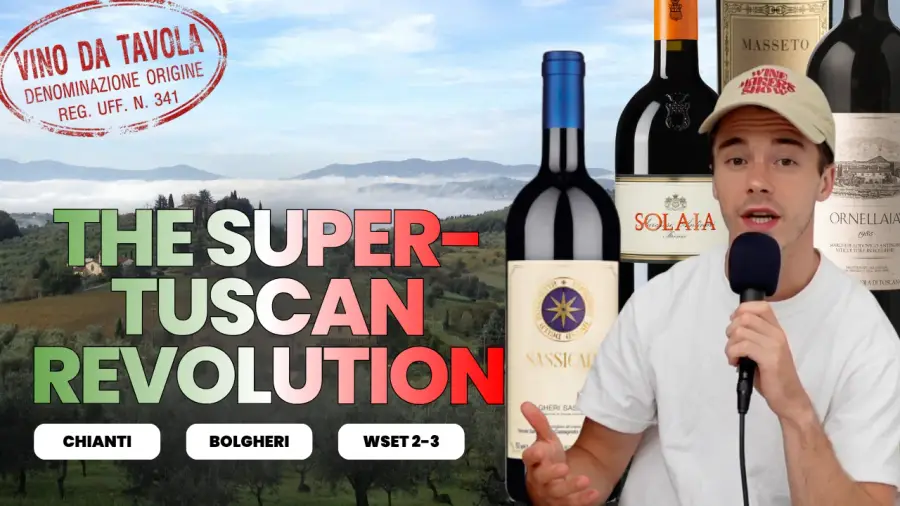
- Tuscany, famous for Chianti
- Piedmont, home to Barolo and Barbaresco
- Veneto, the land of Prosecco
Italian winemaking goes back to 800 BC, the history runs deep.
2. France: unmatched diversity
The world’s second-largest producer, France is known for diversity and quality across its many regions, each with its own character and signature grapes.
3. Spain: the world’s biggest vineyard
With 969,000 hectares planted, Spain has the largest vineyard surface in the world. The main grapes:
- Tempranillo
- Garnacha
- Albariño
The big regions: Rioja, Ribera del Duero, and Priorat.
4. United States: the New World heavyweight
The third-largest producer, the US makes around 3 billion bottles a year. The key regions:
- California (Napa Valley, Sonoma)
- Oregon, known for its Pinot Noir
Other notable wine regions
Beyond the traditional giants, plenty of other countries have carved out a serious place on the world map. Their unique terroirs and ever-sharpening know-how put out wines that more and more drinkers are seeking out. Here’s a quick look at the other major players.
5. Australia: land of Shiraz and Chardonnay
With 146,000 hectares, Australia produces about 1.3 billion bottles a year, defined by its Shiraz, Chardonnay, and Cabernet Sauvignon.
6. China: an emerging giant
With 800,000 hectares of vines, China is a major player on the rise. The Ningxia region, nicknamed the “Chinese Bordeaux”, is especially promising.
7. Argentina: the kingdom of Malbec
Argentina is famous for Mendoza, San Juan, and Patagonia. The country is the world’s leading Malbec producer.
8. Chile: a land of rediscovery
Chile, with 209,000 hectares of vines, is known for Carménère, a grape long thought extinct, rediscovered in the 1990s.
9. Germany: tradition meets innovation
Germany mostly grows Riesling, Pinot Noir, and Müller-Thurgau across its 103,000 hectares.
10. Portugal: between tradition and modernity
Portugal is famous for Port, but also for still wines like Vinho Verde, made in the country’s northwest.
Emerging wine regions
Wine is constantly moving, and new regions keep stepping onto the international stage. These newcomers bring fresh energy, promoting little-known native grapes or rethinking traditional winemaking styles. Here are a few rising regions shaping the future of wine.
South Africa: a unique terroir
South Africa makes around 1 billion bottles a year. The country invented its own grape, Pinotage, by crossing Pinot Noir with Cinsault.
New Zealand: quality over quantity
With just 39,000 hectares, New Zealand stands out for quality, especially the Sauvignon Blanc from Marlborough.
Romania and Greece: native grape revivals
These two European countries are going through a wine renaissance, championing unique native grapes like Feteasca Neagra in Romania and Assyrtiko in Greece. If you want to learn more about Romanian wine, we’d recommend this interview with Laurent Pfeffer.
To go further
If you want to dig deeper into the world’s wine regions, we strongly recommend reading “Wine Explorers” by Jean-Baptiste Ancelot. This wine book gives a sweeping tour of vineyards around the globe. The author shares his own experiences and discoveries, taking you on an immersive journey through both iconic terroirs and emerging regions. “Wine Explorers” is a real treasure for any wine lover wanting to broaden their horizons and grasp the diversity of the world’s wine heritage.
Wrapping up
Wine is vast and always changing. Every region adds its own contribution to this ancient drink, mirroring its terroir, history, and culture. Whether you’re just starting out or already deep into wine, exploring these regions promises a rich tasting adventure full of surprises.