Pinot Noir: a grape with serious credentials. King in Burgundy, Pinot Noir is also a grape you find all over the world. Born from a millennial history, fantasised about by many, terroir-revealing par excellence: there’s no shortage of words to describe this grape. We mostly know it through Burgundy, which raised it to the status of a true myth in the wine world. But do we know Pinot Noir beyond Burgundy? That’s the question we asked ourselves on our wine quest. We share what we found in this article.
Pinot Noir: a long history
Pinot Noir is one of the oldest grapes: the first traces appear in literature, in the writings of Columella and Pliny the Elder, in the first century. Originally from Burgundy, it was probably already there when the Romans conquered Gaul. In the 14th century, the Dukes of Burgundy made sure to elevate this grape, so much so that Philippe II le Hardi banned the cultivation of Gamay in Burgundy. Since then, Pinot Noir has become one of the most widespread international grapes in the world. That said, Burgundy remains its royal terroir, or at least that’s what we’ll try to test in this article.
Pinot Noir around the world
Beyond Burgundy, you find Pinot Noir in many regions. Jean-Baptiste Ancelot of The Wine Explorers wouldn’t argue otherwise.
For starters, you find this grape in several French regions. So beyond Burgundy, Pinot Noir is of course one of the main grapes in Champagne. It’s the source of the famous blanc de noirs. You also find it in Alsace, where, as we’ll see a bit later, delicious things are happening. Finally, you find it more anecdotally in other French regions.
Elsewhere in the world, Pinot Noir is extremely well represented. You find it in:
- The United States: Oregon and the Napa Valley;
- Austria;
- Germany;
- New Zealand;
- South Africa.
To help us in this discovery, we used the book Wine Explorers by Jean Baptiste Ancelot, which we can only recommend if you want to discover wines from around the world.
Pinot Noir beyond Burgundy: our tasting
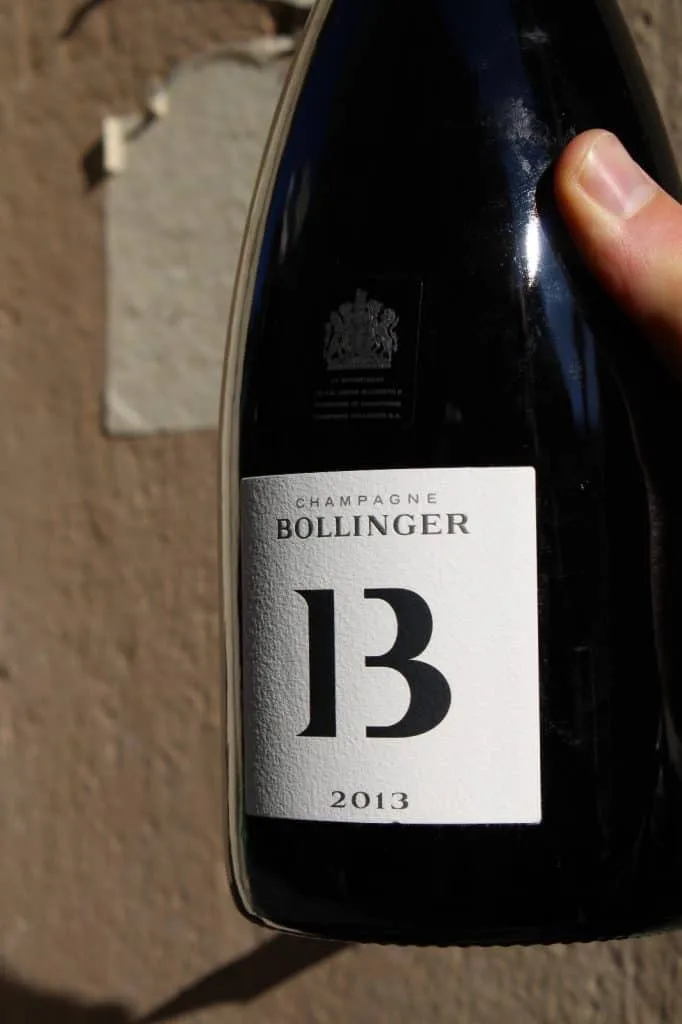
For the occasion, we wanted to go a little further than our traditional wine cellar. For this tasting, we were lucky to be surrounded by some very lovely bottles. So we turned to Bollinger to start with B13: a blanc de noirs (vintage 2013), Aigle Royal by Gérard Bertrand (Vintage 2018), Chapelle 1441 by Jean and Jean Louis Trapet (vintage 2015), Kugelberg de Rorschwihr from the Cave de Ribeauvillé (2019), Dog Point in New Zealand (vintage 2019), and Pinot Noir by Claus Preisinger (2018). So let’s discover these wines.
By the way, you can follow our tasting on YouTube.
Bollinger B13: the purity of Pinot Noir
How do you comment on such an iconic cuvée? Pinot Noir is one of Champagne’s grapes, alongside Chardonnay and Pinot Meunier. For many years, Champagne Bollinger has worked to highlight this grape’s qualities through its various cuvées.
The least we can say is that 2013 wasn’t the easiest vintage. With a year marked by extreme weather (snow in winter, rain in spring and a very sunny summer), all the house’s talents had to be mobilised to elevate such a vintage.
In the end, this Blanc de Noirs (the name for champagnes 100% from Pinot Noir) is wonderfully singular and perfectly elegant. You find pear and almond notes brought out by lovely tension and citrus notes. If a tarte tatin is a Proustian madeleine for some, you’ll find magnificent aromas of it on the palate.
You get the idea: Bollinger B13 is a perfect recommendation to discover the purity of Pinot Noir in Champagne.
Aigle Royal by Gérard Bertrand: a southern crush
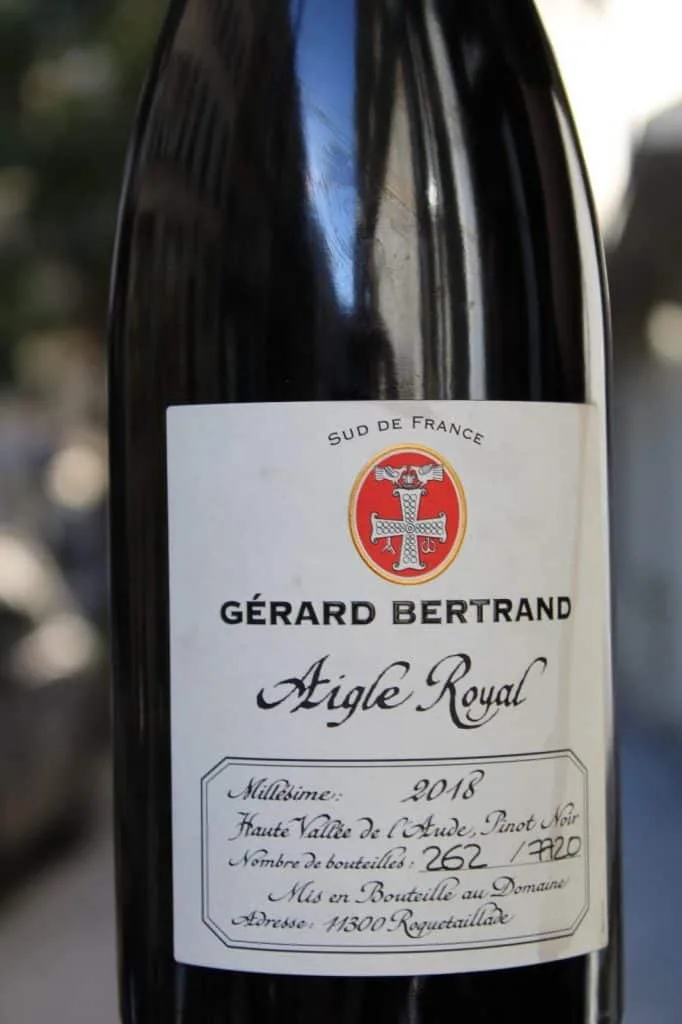
Gérard Bertrand is clearly one of the South of France’s greats. We had the chance to meet and interview him at Château l’Hospitalet and it was an incredible moment. Among the many wines he offers, you find Domaine de l’Aigle. Located in the Aude valley, this 47-hectare estate is entirely planted with Pinot Noir. You find two cuvées: Domaine de l’Aigle and Aigle Royal.
For the occasion, we went to discover Aigle Royal: a sublime Pinot Noir and clearly one of our crushes. Blind, we’re not sure we’d manage to place it in the South of France. You find a perfect expression of Pinot Noir with raspberry and redcurrant notes, finely spiced and with silky tannins.
In short, Aigle Royal by Gérard Bertrand is a crush on our side. A Pinot Noir beyond Burgundy that hasn’t finished shining.
Chapelle 1441 by Jean and Jean Louis Trapet: Pinot Noir in Alsace
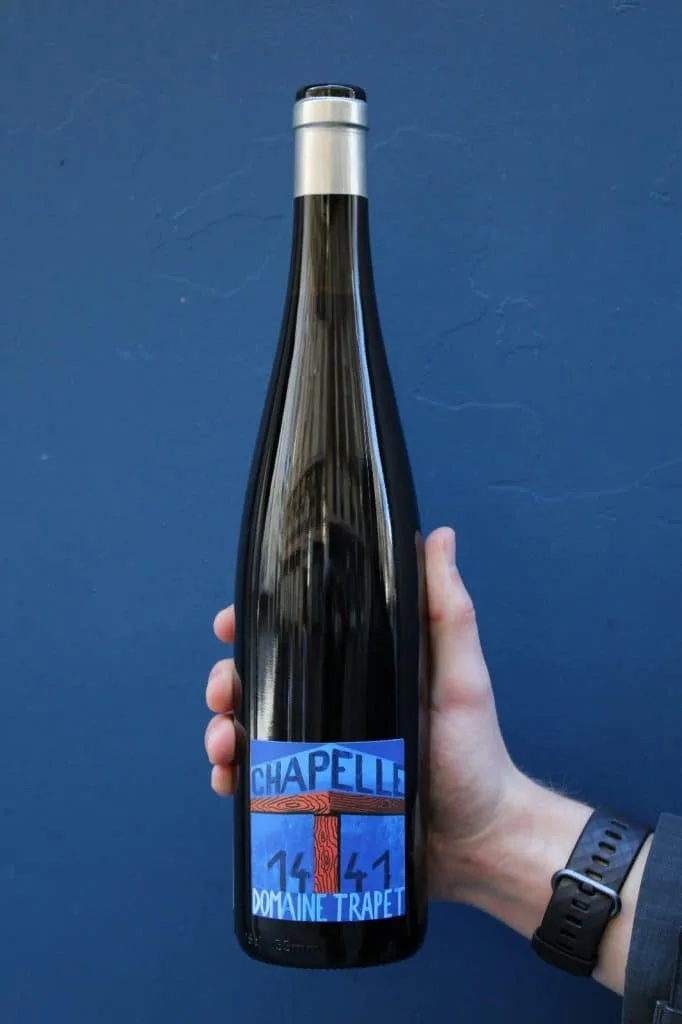
Jean Louis Trapet hardly needs an introduction in Burgundy. The Domaine Trapet is one of those places where wine quality is never in doubt. As they put it so well, “when a Burgundian winemaker meets an Alsatian winemaker […] the duty and then the passion of bringing out these vines that reveal the places where they were born is essential and irrepressible”. In 2002, Andrée Trapet took over the Alsace estate and brought to light some absolutely incredible terroirs.
On our side, we tasted the 2015 vintage of Chapelle 1441. You find a superb expression of Pinot Noir with lovely acidity notes that highlight the limestone terroir on which these vines have grown. We loved this Pinot Noir, which still has a magnificent youth and incredible dynamism. We highly recommend it.
Kugelberg de Rorschwihr by the Cave de Ribeauvillé: Alsace terroir
From an exceptional terroir, this Pinot Noir delighted us. The vines come from a Burgundian rootstock planted in 1986. On the palate, you find ripe red fruit aromas and notes of wood and vanilla. The limestone terroir on which the vines are planted allows for the development of very lovely acidity, making the tasting particularly pleasant. We’d happily age this bottle a bit: you can keep it in the wine cellar for at least ten years no problem.
In short, a superb expression of Pinot Noir in Alsace and a magnificent piece of work. We can’t wait to visit the Cave de Ribeauvillé and discover their work.
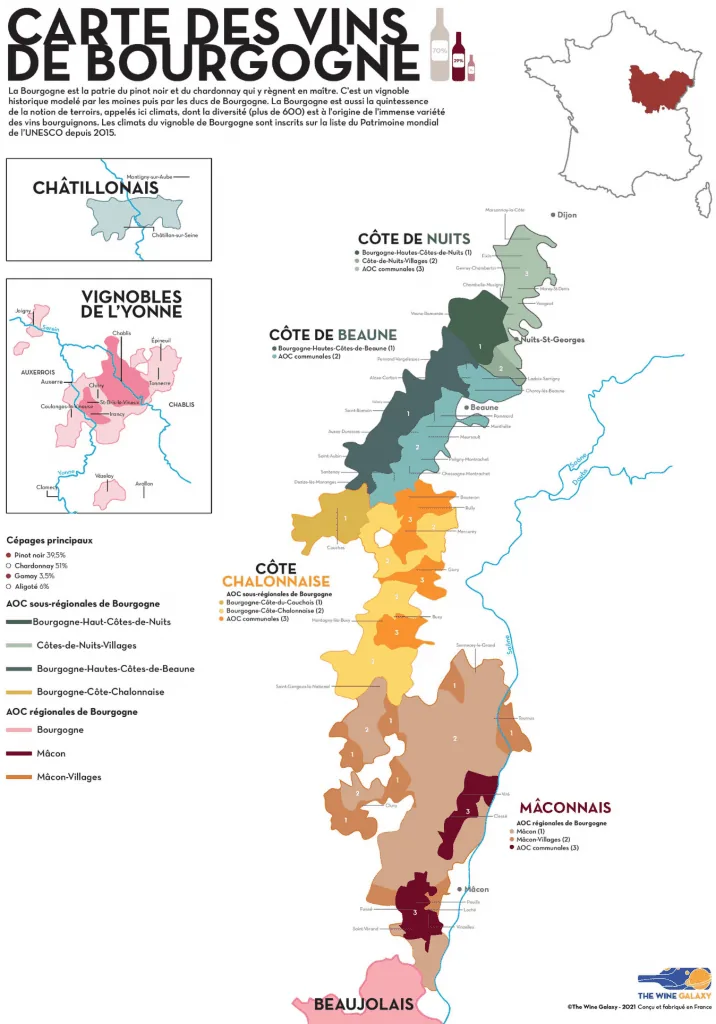
We’re interrupting your reading but it’s for a good cause. Thanks to The Wine Galaxy for making these tastings possible. The Wine Galaxy is a brand of wine posters and accessories. Burgundy is the king of Pinot Noir, and good news, a Burgundy wine map is available at The Wine Galaxy. So if you’re looking to brighten up your living room, kitchen or office, you’ve found it.
Pinot Noir by Claus Preisinger: discovering Austria
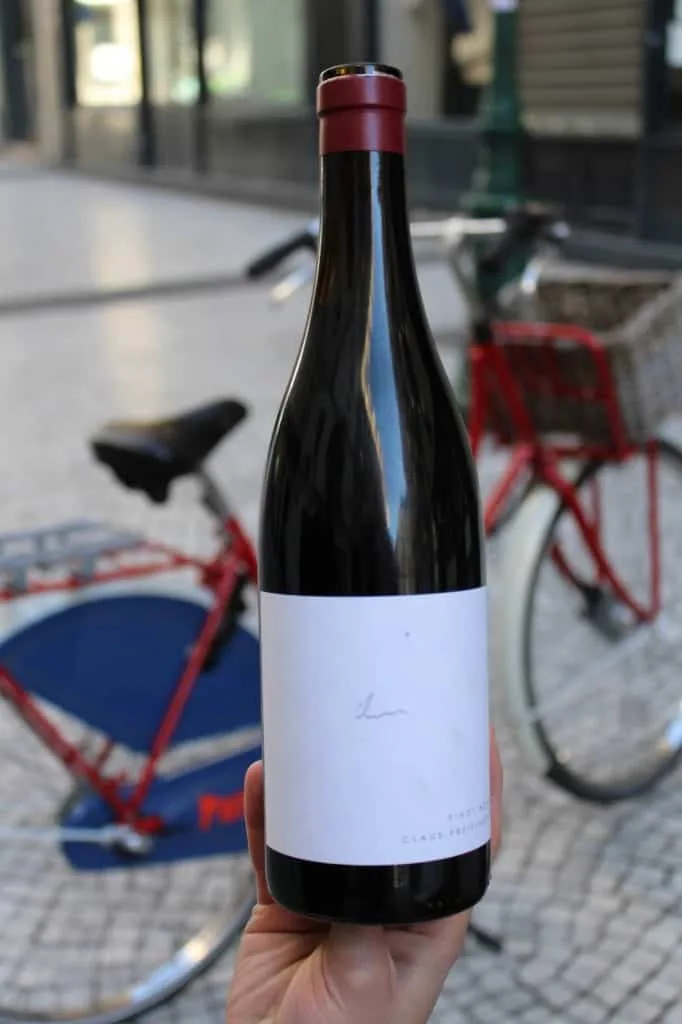
Austria is mostly known for whites, but you also find very lovely reds there. Pinot Noir represents a tiny share of the country’s viticulture. Claus is a global biodynamic reference. Based in Gols, in the east of the country, very close to the Hungarian border, he focuses on viticulture without any inputs. In his futuristic winery, he works with purity and ages in amphora.
We loved this Pinot Noir. That said, it’s more for people who already have a bit of wine knowledge and want to discover something a bit different. It’s very good and different.
Dog Point: Pinot Noir in New Zealand
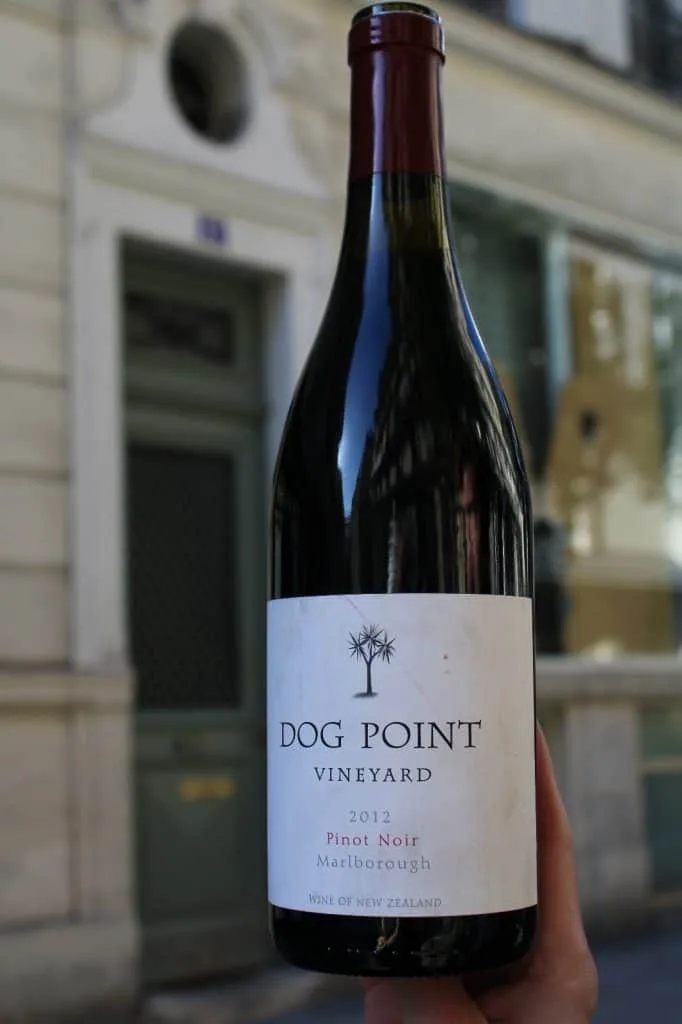
While New Zealand is mostly known for white grapes, the country is also one of Pinot Noir’s homelands. This grape represents 15% of the country’s vineyard. Marlborough is the region with the largest share of this grape in New Zealand, with 2,367 hectares dedicated to its cultivation out of the country’s 5,425 hectares of Pinot Noir.
Dog Point is one of New Zealand’s oldest vineyards. They do real work on wine quality and on highlighting terroirs. They’ve also started an organic conversion. The Pinot Noir vines were planted in 1983.
For our tasting, we cheated a little because we tasted the 2012 vintage. It’s already showing nice signs of evolution, whether on the colour, the nose or the palate. It can obviously still age, and keeping it in your wine cellar is no problem.
You find lovely black and red fruit notes, and a few signs of evolution. Slightly leathery notes close to chocolate. We clearly loved this cuvée. We should have bought more, but it’ll be for next time.
Is Burgundy’s Pinot Noir better than the others?
Here’s a question that won’t make me friends (or maybe it will). Honestly, I wouldn’t really know how to answer, and the wine world is so multiple that it’s impossible to give a true answer. What I discovered in this tasting is the variety of expressions of this grape. I found the variety of expressions absolutely incredible and I haven’t finished discovering it.
In short, impossible to rank them, and that’s not our job anyway. So we just enjoy this tasting and discover all of it.
What to eat with Pinot Noir?
For this tasting, we did a pairing with lovely lamb chops and a butternut squash purée. It was a real pleasure. Generally, you can pair pinot noir with lovely red meats, white meats and even certain fish dishes.
Amazon links on this page are affiliate links. They cost you nothing extra, and they help me keep this going.