Germany’s prestigious VDP wine estates have concluded their 2025 harvest with a resounding message: quality has prevailed over quantity. After navigating a complex growing season marked by unpredictable weather patterns and narrow harvest windows, the country’s top producers have delivered wines that showcase exceptional characteristics, particularly vibrant acidity and remarkable aging potential. The vintage represents a triumph of precision viticulture and swift decision-making in the vineyards.
The 2025 growing season tested German winemakers like few recent years, demanding constant vigilance and rapid response to changing conditions. Despite significantly reduced yields that mark this as Germany’s smallest harvest since 2010, the VDP estates have emerged with wines that promise to be remembered for their finesse, structure, and longevity. This achievement underscores the critical importance of vineyard management and harvest timing in premium German wine production.
A Growing Season of Contrasts and Challenges
Promising Start Followed by Weather Complications
The 2025 vintage began on an optimistic note with vigorous vine growth and the notable absence of damaging late spring frosts that had plagued previous years. Warm summer temperatures and sunny periods pushed development forward at an accelerated pace. However, localized wet weeks in July introduced significant challenges that required meticulous canopy management and constant monitoring of grape health.
These July rains created elevated disease pressure in certain areas, forcing growers to maintain intensive vineyard work. The humid conditions demanded precise leaf removal and careful canopy management to ensure adequate air circulation around grape clusters. This period became a defining moment for the vintage, separating estates that maintained vigilant vineyard practices from those less prepared for the moisture challenge.
Dramatic Weather Shifts and Early Ripening
Following the July moisture, long dry periods returned and accelerated grape development significantly. Some estates began harvesting as early as August, an unusually early start that characterized what industry observers dubbed a “turbo autumn.” The rapid succession of weather patterns compressed the traditional harvest timeline, requiring winemakers to make swift, precise decisions about when to pick each parcel.
The monsoon-like rains that arrived in late September and early October added another layer of complexity. In regions like Mittel Rhein, prolonged localized rainfall increased botrytis pressure dramatically. Producers faced intense time pressure to harvest at optimal ripeness before conditions deteriorated, with some areas experiencing harvest windows measured in days rather than weeks.
The Harvest: Precision and Speed as Key Success Factors
Strategic Decision-Making Under Pressure
The compressed timeline and variable conditions made 2025 a vintage where precision became paramount. Winemakers needed to evaluate each parcel individually, making variety-by-variety decisions based on aromatics, acid balance, and structure. The harvest pace reached unprecedented levels, with some estates completing their entire harvest in approximately three weeks rather than the more typical extended period.
VDP President Steffen Christmann noted that he could hardly recall another year that delivered such excellent grapes despite the challenges. This achievement required what producers described as perfect timing and mobilization of significant labor resources in the vineyards. Estates that maintained close observation and could respond quickly with adequate picking crews succeeded in capturing grapes at optimal physiological ripeness.
Selective Harvesting and Intensive Sorting
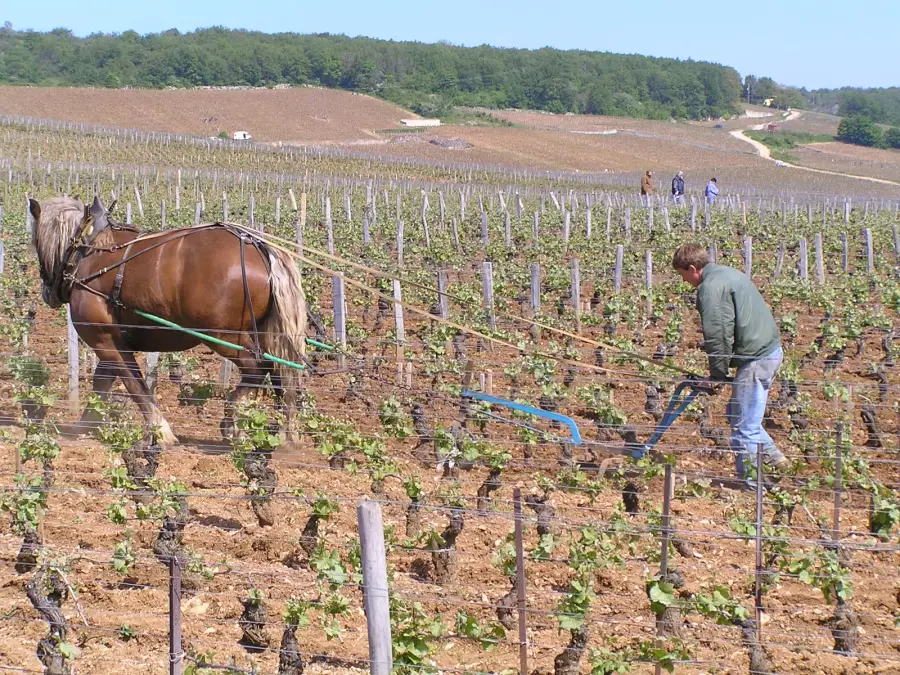
The weather conditions necessitated extremely selective hand harvesting throughout Germany’s premium vineyard sites. In some areas, particularly where late September rains caused ripe berries to swell and grape skins to thin, rigorous sorting became essential. Pickers needed to leave behind any fruit showing negative botrytis while separately harvesting healthy grapes and those with desirable noble rot for different wine styles.
Franz Wehrnheim from VDP estate Dr. Wehrheim in the Pfalz characterized the autumn as an intense sprint, with harvest for base sparkling wines beginning in late August under ideal late-summer conditions. He emphasized that while yields were disappointing, the quality exceeded all expectations, with impeccably healthy, aromatic, and highly concentrated berries displaying natural balance.
Exceptional Wine Quality Characteristics
Vibrant Acidity and Aging Potential
Despite the warm growing season, winemakers succeeded in preserving what the VDP describes as an invigorating acidity in the 2025 wines. This achievement represents careful timing in harvest decisions and reflects the diligence of producers who monitored acid levels alongside sugar accumulation. The retention of bright acidity provides the structural backbone that promises extended aging potential for these wines.
Arner Bercher of Weingut Bercher in the Kaiserstuhl region reported that early tastings reveal complexity and an engaging fruit-acid interplay that promises great drinking pleasure after barrel aging. This balance between ripeness and freshness has emerged as the defining characteristic of the vintage, suggesting wines that will evolve gracefully over many years in bottle.
Concentrated Flavors from Small Berries
The dry conditions during crucial development periods resulted in smaller grape berries with higher skin-to-juice ratios. This concentration effect intensified aromatic compounds and flavor intensity, creating wines with greater depth and complexity than typical vintages. The smaller berry size, while contributing to reduced overall yields, enhanced wine quality through natural concentration.
The combination of physiological ripeness with retained acidity has produced wines showing both immediate appeal and long-term cellaring potential. Early assessments indicate that white wines display freshness and elegance, while red wines benefit from mature tannins and substantial body. This dual quality of approachability and ageability represents an ideal outcome for premium German wines.
Regional Variations and Specific Outcomes
Franken: Precision Harvest and Varietal Expression
In Franken, harvesting for sparkling wine production began on August 25, with the main harvest following rapidly in the first two weeks of September. The compressed timeline demanded exceptional precision in vineyard work. Average yields settled around 70 hectoliters per hectare, below historical norms but sufficient to meet quality-focused production goals.
The region’s signature Silvaner variety emerged with clearly structured, spicy, and mineral characteristics. Riesling showed fresh, finely chiseled profiles with precise delineation of flavors. Spätburgunder demonstrated clear structure and strong aging potential, suggesting that Franken’s red wines from 2025 will be particularly noteworthy as they develop.
Mittel Rhein: Selective Harvesting and Reduced Volumes
The Mittel Rhein faced particularly challenging conditions with prolonged localized rainfall in September significantly increasing botrytis pressure. The situation necessitated extremely selective hand harvesting, with pickers making grape-by-grape decisions in some vineyards. This intensive sorting resulted in dramatically reduced quantities, with some areas yielding only around 50 hectoliters per hectare.
Despite the low volumes, the grapes that made it into the cellar showed strong must weights and pronounced aromatics. The careful selection work paid dividends in wine quality, though the economic impact of such reduced yields will likely result in higher prices for these limited-production wines. Producers emphasized that the extra effort required justified the exceptional quality achieved.
Mosel-Saar-Ruwer: Natural Protection and Quality Production
The Mosel-Saar-Ruwer benefited from a unique climatic advantage during the vulnerable spring period. Fog rising from the region’s rivers provided natural frost protection, helping the region avoid the crop losses that spring frosts can cause. This fortunate circumstance allowed Mosel estates to enter the growing season with full crop potential.
While the region still faced the challenges of the compressed harvest season and variable autumn weather, the strong start positioned Mosel producers well for quality production. The region’s steep slopes and slate soils contributed their characteristic minerality to the wines, complementing the vintage’s natural acidity retention and creating classic Mosel expressions.
Industry Impact and Market Implications
Germany’s Smallest Harvest Since 2010
The 2025 vintage produced only 7.3 million hectoliters of grape must nationwide, representing a seven percent decline from 2024 and a sixteen percent drop compared to the ten-year average of 8.7 million hectoliters. This marks Germany’s smallest harvest since 2010, when production reached just 7.1 million hectoliters. The shortfall stems primarily from reduced volumes in the four largest wine regions: Rheinhessen, Pfalz, Baden, and Württemberg.
Several factors contributed to the low yields beyond weather challenges. Smaller berry sizes and below-average must yields per ton of grapes reduced overall production. The intensive grape selection required after mid-September rainfall resulted in an estimated harvest loss of 23 percent, approximately 600,000 hectoliters, in the major producing regions. Some estates recorded yields as low as 40 to 50 hectoliters per hectare.
Price Pressures and Market Dynamics
The combination of very low yields and high production costs will inevitably pressure prices upward across Germany’s premium wine sector. Producers faced extraordinary expenses related to intensive labor for canopy management, careful monitoring, selective harvesting, and rigorous sorting. These costs occurred against a backdrop of already small crop sizes, creating what many estates describe as survival-level economic pressure.
VDP estates, which represent approximately five percent of German vineyard area but generate 7.5 percent of industry revenue through quality-focused production, will likely lead price increases. The combination of limited supply, exceptional quality, and strong demand from collectors and enthusiasts creates conditions for significant price appreciation. Many estates have indicated that price increases are unavoidable to maintain economic viability.
Regional Success Stories
While the major producing regions faced substantial yield reductions, several smaller regions reported more positive outcomes. Eastern German regions including Sachsen and Saale-Unstrut, along with the Ahr, recorded triple-digit percentage increases in volume compared to 2024. These regions had suffered devastating spring frost damage in the previous year, making 2025’s return to normal production particularly welcome.
The Mosel and Franken regions achieved estimated harvest volumes slightly above their average levels. This performance stands in contrast to the significant shortfalls elsewhere and demonstrates how localized weather patterns created vastly different outcomes across Germany’s diverse wine geography. The regional variation will likely create interesting market dynamics as availability differs dramatically by origin.
Sustainability and Modern Viticultural Practices
The 2025 vintage highlighted the importance of sustainable vineyard management practices in navigating challenging growing conditions. VDP member estates, all of which maintain mandatory sustainability certification, demonstrated that environmentally conscious viticulture can deliver exceptional results even in difficult years. Practices including organic soil management, biodiversity promotion, and minimal intervention approaches proved their value.
The intensive canopy work required during the humid July period showcased modern precision viticulture techniques. Estates employing selective leaf removal, cluster thinning, and careful positioning of fruiting zones achieved better air circulation and disease management. These labor-intensive practices, while expensive, proved essential in preventing quality losses and preserving grape health through the challenging periods.
Looking Forward: Cellar Development and Release Strategy
Winemakers across Germany’s top estates report that the 2025 wines are already showing remarkable promise in barrel. The wines display the complexity and balance that indicate successful long-term aging potential. Many producers expect these wines to reward patient cellaring, developing additional complexity and integration over years or even decades.
Release strategies for the 2025 vintage will likely reflect both the limited quantities available and the recognition that these wines benefit from extended aging. Some estates may delay releases beyond typical timelines to allow additional development. The upcoming VDP wine auctions will provide early market signals about collector interest and price levels for the most prestigious bottlings.
Conclusion
The 2025 VDP vintage stands as a testament to the skill, dedication, and adaptability of Germany’s premier winemakers. Faced with compressed timelines, variable weather, and significant yield challenges, these producers have crafted wines of exceptional quality characterized by vibrant acidity, concentrated flavors, and promising aging potential. While the dramatically reduced volumes will create supply constraints and upward price pressure, the wines themselves represent a clear success.
This vintage reinforces the critical importance of vineyard management precision, harvest timing, and rigorous selection in premium wine production. The 2025 wines will likely be remembered not for their abundance but for their finesse, structure, and the triumph of quality over quantity. For collectors and enthusiasts, these wines offer the opportunity to experience a vintage that captures both the challenges and rewards of German viticulture at its highest level.
Sources
The Drinks Business - Low yields but “invigorating acidity” and ageability for the 2025 VDP vintage https://www.thedrinksbusiness.com/2025/11/low-yields-but-invigorating-acidity-and-ageability-for-the-2025-vdp-vintage/
Harpers Wine & Spirit - ‘Turbo autumn’ sees top German producers negotiate early ripening https://harpers.co.uk/news/fullstory.php/aid/34938/_91Turbo_autumn_92_sees_top_German_producers_negotiate_early_ripening.html
Wine Industry Advisor - Smallest Vintage in Germany Since 2010 https://wineindustryadvisor.com/2025/10/22/smallest-vintage-in-germany-since-2010/
Meininger’s International - Our First Impression: The 2025 VDP GG-Preview https://www.meininger.de/en/meiningers-international/meininger-tasting-results-wine/our-first-impression-2025-vdp-gg-preview
VomBoden - Vintage 2024: Beauty, Classicism, and Nostalgia https://www.vomboden.com/vintage-2024-nostalgia-classicism-and-beauty/
Germany Rieslings - German Riesling Quality Ratings Guide: 2025 Classifications and Scores https://www.germanyrieslings.com/stories/german-riesling-quality-ratings-guide/
Vintage ‘59 - Harvest 2025 https://vintage59.com/harvest-2025/