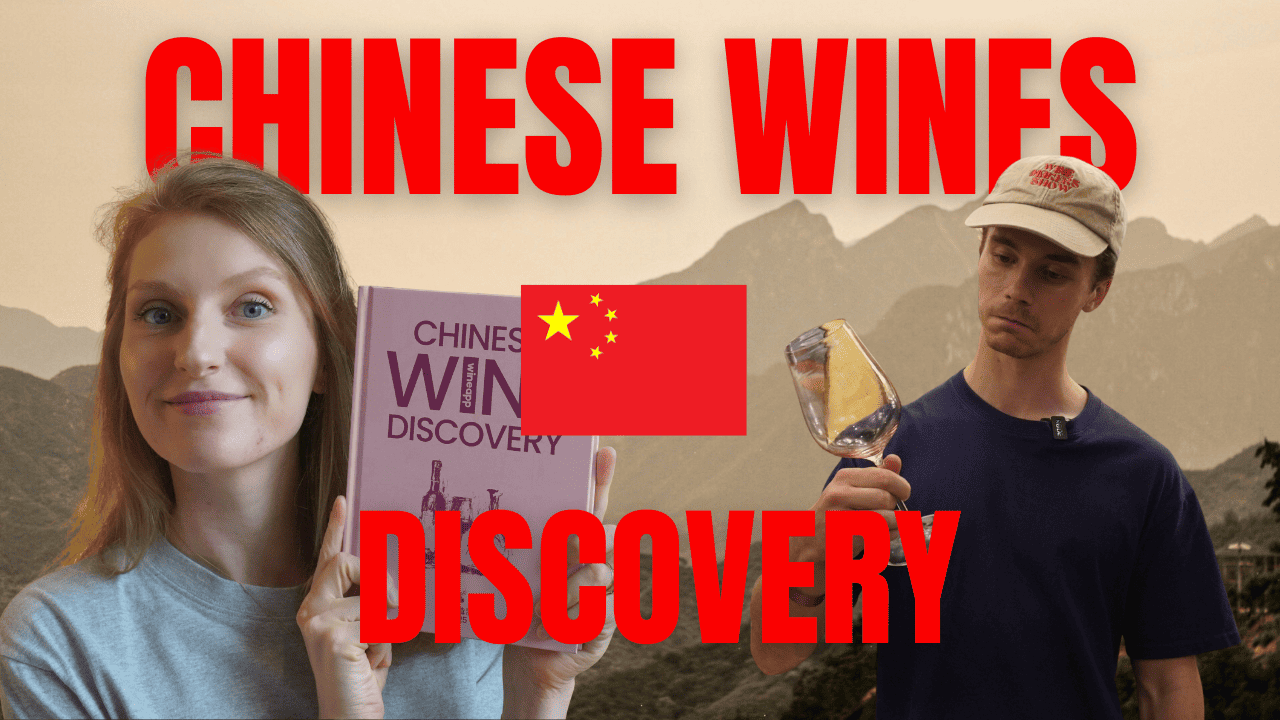
A few weeks ago, we had the opportunity to discover Chinese Wines for the first time. And for this first time tasting Chinese wines, it seems like we chose the right place. We went to the Chinese Wines tasting organized by WineApp. It’s the biggest Chinese Wines tasting you can find so it was the perfect occasion to discover what is really happening. Obviously, we came accross very good wines among which Ao Yun, Long Dai, Domaine Franco Chinois, etc … but this you can know pretty easily. What we want to share with you is the true insights behind this tasting: what you have to experience to truely understand wine in China.
If you want to follow our full adventure in Shanghai and see everything about this wine tasting, you can watch this video on our Youtube channel. In this article, we’ll focus on a more in-depth analysis of it.
Classic vs funky: we have everything
What was was striking is that an estate producing high end, classic wine can also propose a very funky pet-nat with a totally different label. They had absolutely no problem displaying these wines at the same place and same time.
Furthermore, we can see that each wine was made with a purpose. They were not doing this specific wine just for the sake of it or for fun. They are designed to target a very specific consumer. This high end barrel aged Cabernet Sauvignon targets premium wine connaisseurs, this white wine is for this type of restaurants, this red wine is a bit easier to drink and targets younger consumers and finally this pet nat with funny labels is for entry-level.
For example, United Wineries was proposing a wonderful Cabernet Sauvignon from 2017, already aged and very well done. But at the same time, they were displaying small bottle of a sparkling low alcohol wine.
All this aligns with a desire to always meet consumer needs. We’ve seen some estates proposing blanc de blanc. While the interest in this type of vinification can make sense, it is more an adaption to the market needs than anything else. The market for white wine is booming in China but the vineyards are mainly planted in red. You can see a problem here: how can we quickly transition our plantation to white? Well, you actually don’t need. Just do blanc de blanc.
A lot of sweet wines
We have came a lot across sweet wines coming from different techniques: ice wine, passito and botrytis (from what we’ve seen). Wine makers were telling us two things about this. First, sweet wines answer the needs of new wine consumers. They need something sweet to start their wine consumption. Second, maybe more rooted in the daily habits, sweet wines seem to match more the Chinese palates.
Labeling and marketing: an example for targeting Gen Z
During this tasting, we have seen many different labels. Some were very classic, with a chateau on it, others were more modern with artworks and representations of the wine.
However, we wanted to specifically focus on this estate (name MARINE). The wines are good although very technical. They produce single grape bottles from Syrah, Pinot Noir, Cabernet Franc, Cabernet Sauvignon. Echoing our last point, they also produce a sweet rosé. What was the most interesting was the labelling they were using (see pictures below). Just looking at these labels, we can understand they are directly targeting Gen Z and new consumers.
Furthermore, one label was particularly interesting as it was intended at being personalized by the buyer. This bottle was sold with a sticker pack to let the consumer personalize it and potentially share it on social medias.
For our marketing focused readers, this is a great play as personalization is largely a trend but also because it adds a virality effect to the product. After personalizing your label, you want to share it on social platforms.
Not just wineries: wine powerhouses (european mind is not ready for it)
It is probably the thing I was not ready for. Chinese wineries are more than equipped both in terms of technical infrastructures but also – and maybe more surprisingly – in terms of hospitality.
A lot of wineries had more than 10 rooms available for visitors as well as dedicated activities. What is sure is that they built wineries and hospitality at scale.
A very good example of this is Runaway Cow about which we are preparing a full article. The estate is a winery but also a wine retreat a few hours away from Shanghai. They have more than 40 rooms that are absolutely incredible, with a perfect level of service and scenic views on a vineyard.
Very different wines inside one region
Finally, the last point that was interesting in this tasting was the liberty in wine expression. As China is still at its beginning in terms of winemaking, rules about wine production are not completely fixed yet. We subsequently had the opportunity to taste very different wine profiles from the same region. You can find estates opting for Bordeaux blend, while others will look a bit more than Rhone Valley. Some will chose to age the wine while others will focus on a fresh and crisp profile. All these different profile of grape varieties and wine making techniques make the expression of each region very diverse and it’s a bliss for wine lovers like us! You can really feel that you’re at the beginning of something and that the choices made today will shape the wine industry and build the terroirs of China.
All-in-all, it was an absolute pleasure to discover these wines and discuss with winemakers and owners there. We have felt the energy of people wanting to create the best possible wines. And we can definitely be sure of something: wine is a beautiful way to unite people!