Italy’s wine industry has reclaimed its throne with a powerful comeback in 2025, surpassing both France and Spain in total production volume. After two difficult years marked by extreme weather conditions and historically low yields, Italian vineyards are bouncing back with renewed strength. The harvest represents not just a quantitative recovery but also signals promising quality levels across most regions. This resurgence comes at a critical time for the global wine market, which faces challenges from changing consumer preferences, international trade tensions, and climate volatility. Italy’s ability to produce nearly 48 million hectoliters while maintaining excellent grape quality demonstrates the resilience and adaptability of its wine sector, even as producers navigate complex market dynamics and storage concerns.
Record Harvest Marks Strong Recovery After Challenging Years
Italy is set to produce 47.4 million hectoliters of wine in 2025, representing an 8% increase compared to 2024 and returning production levels to the five-year average. This figure solidifies the country’s position at the top of global wine production rankings, ahead of France and Spain.
The estimates were presented by Italy’s agriculture ministry in collaboration with the Italian Wine Union (UIV), the Association of Italian Oenologists (Assoenologi), and the agricultural research institute ISMEA. The data reflects input from regional authorities across Italy’s diverse wine-growing regions.
Italy has held the top producer position for most of the past five years, with the notable exception of 2023 when France temporarily took the lead. That year saw Italy experience its lowest production since the post-war period due to extreme weather events and fungal diseases.
Southern Italy Drives Production Surge
Southern Italy experienced the most dramatic growth, with production jumping 19% compared to last year, led by Puglia with a 17% increase and Sicily with a remarkable 20% rise. These gains are attributed to beneficial spring rainfall that replenished groundwater reserves and helped vineyards withstand the early arrival of summer heat.
Veneto remains Italy’s top wine-producing region with nearly 12 million hectoliters, accounting for about a quarter of national output, followed by Puglia and Emilia-Romagna. In northern Italy, production increased at a more moderate pace, with Lombardy rebounding by 15% and Friuli-Venezia Giulia growing by 10%.
The largest harvest loss occurred in Tuscany, which saw a 13% decline, while regions like Basilicata recorded exceptional growth of 40%, and Abruzzo and Molise each increased by 25%.
Climate Conditions Shape Quality and Timing
Weather played a crucial role in shaping this year’s results, with conditions leading to an early start for the harvest in many areas, particularly in southern Italy where the picking season extended longer than usual. The growing season was characterized by adequate winter moisture, a mild spring, and variable summer conditions.
In Alto Adige, one of Italy’s premier wine regions, harvest occurred up to two weeks earlier than 2024, with some varieties like Schiava picked nearly three weeks ahead of schedule. Temperature fluctuations during the summer months required particularly attentive vineyard management to ensure optimal grape development.
The 2025 harvest is characterized by healthy grapes across most regions, with industry associations reporting quality prospects ranging from good to excellent. This balanced vintage shows no extraordinary production peaks but demonstrates strong potential for both structured red wines and fresh, vibrant whites.
Italy Outpaces Traditional Rivals
France is projected to produce 37.4 million hectoliters while Spain is expected to reach 36.8 million hectoliters, keeping Italy comfortably ahead in global production rankings. Both competitors faced challenges from extreme summer heat that affected their vineyards.
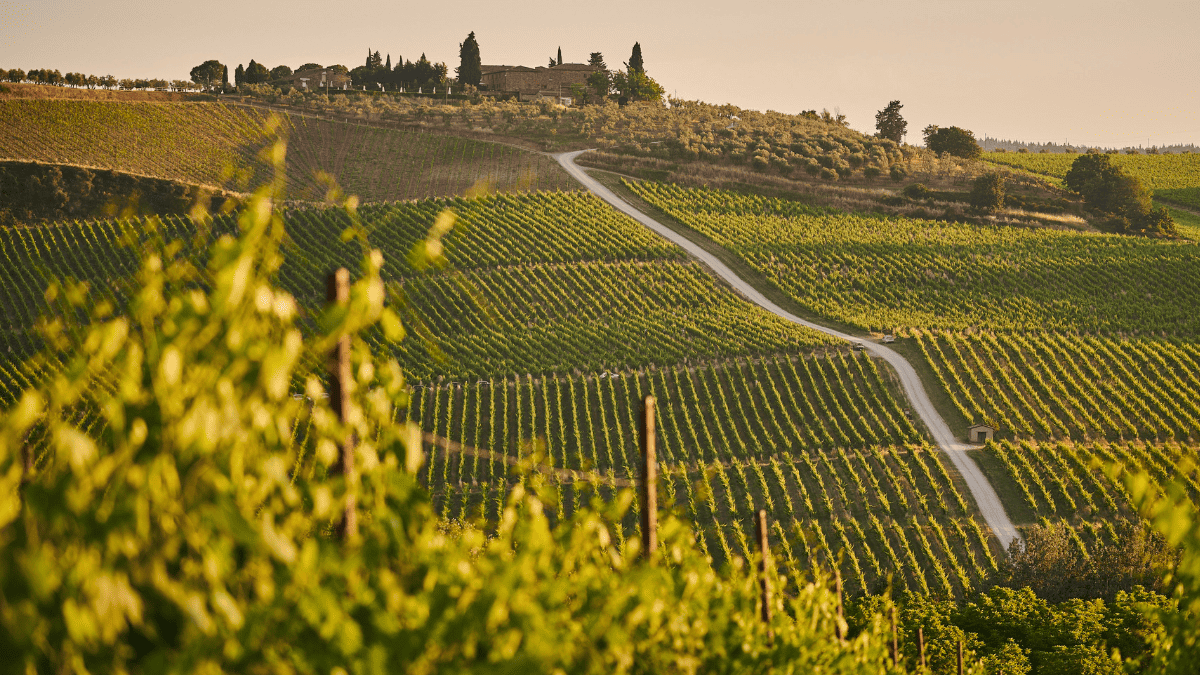
The production gap reflects Italy’s geographic diversity and the successful adaptation strategies employed by Italian winemakers. From Alpine hillsides to Mediterranean valleys, Italy’s varied terroirs provide natural buffers against climate extremes that can devastate more homogeneous wine regions.
Market Challenges Temper Optimistic Production
Despite the encouraging harvest figures, the Italian wine industry faces significant economic headwinds. Export demand declined 4% in the first five months of 2025, with the industry particularly concerned about the impact of US tariffs. Domestic demand has also slowed, with sparkling wines being the notable exception to this trend.
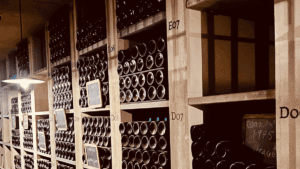
Lamberto Frescobaldi, president of the Italian Wine Union, warned that under current market conditions, it will be difficult to guarantee fair remuneration for the sector with 47.4 million hectoliters of new production combined with approximately 37 million hectoliters already stored in cellars. This potential oversupply situation puts downward pressure on prices across the sector.
Industry leaders emphasize that while Italian wine quality remains indisputable, even excellent wine loses market value when supply exceeds demand. The challenge lies in balancing production capacity with realistic market absorption rates in an increasingly competitive global environment.
Strategic Focus on Premium Segments
The Italian wine sector is responding to these challenges by strengthening its position in premium market segments. Sparkling wines, particularly Prosecco, continue showing robust growth both domestically and internationally, providing a bright spot amid broader market slowdown.
Industry stakeholders are calling for increased investment in promotional activities, especially in key markets like the United States, and greater regulatory flexibility to align production with market demand. The focus remains on quality as a competitive advantage while adapting production strategies to changing consumer preferences.
Supply chain innovation and improved market intelligence are also priorities as producers seek to navigate an increasingly volatile global trading environment. The sector recognizes that maintaining leadership requires not just production excellence but also sophisticated market positioning and responsive business models.
Conclusion
Italy’s 2025 wine harvest represents both triumph and challenge for the world’s leading wine producer. The 8% production increase and return to average volumes demonstrate remarkable recovery from recent difficult vintages, while excellent quality prospects reinforce Italy’s reputation for world-class wines. However, this success comes with the responsibility of managing substantial inventory levels and navigating weakened export demand. The coming months will test the industry’s ability to convert abundant, high-quality production into sustainable market value while preserving the competitiveness that has made Italian wine a global benchmark.
Sources
- Vinetur – “Italy Set to Regain Top Spot in Global Wine Production with Strong 2025 Harvest” (September 11, 2025): https://www.vinetur.com/en/2025091191108/italy-set-to-regain-top-spot-in-global-wine-production-with-strong-2025-harvest.html
- Italian Facts – “Italy, Queen of Wine: 2025 Harvest Up by 8% and Record Quality” (September 11, 2025): https://www.italianfacts.com/en/art-1044-italy-queen-of-wine-2025-harvest-up-by-8-and-record-quality
- Wein.plus Wine News – “Wine harvest in Italy about eight percent more than 2024” (September 11, 2025): https://magazine.wein.plus/news/wine-harvest-in-italy-about-eight-percent-more-than-2024-estimate-at-47-4-million-hectoliters
- France 24 / AFP – “Italy to remain top wine producer in world: 2025 estimates” (September 10, 2025): https://www.france24.com/en/live-news/20250910-italy-to-remain-top-wine-producer-in-world-2025-estimates
- PRNewswire – “Alto Adige, One of Italy’s Leading Wine Regions, Announces the End of the 2025 Harvest” (October 22, 2025): https://www.prnewswire.com/news-releases/alto-adige-one-of-italys-leading-wine-regions-announces-the-end-of-the-2025-harvest-302591825.html
- Italianismo – “Italy will maintain its leadership in world wine production in 2025” (September 12, 2025): https://italianismo.com.br/en/italia-mantera-lideranca-na-producao-mundial-de-vinho-em-2025/