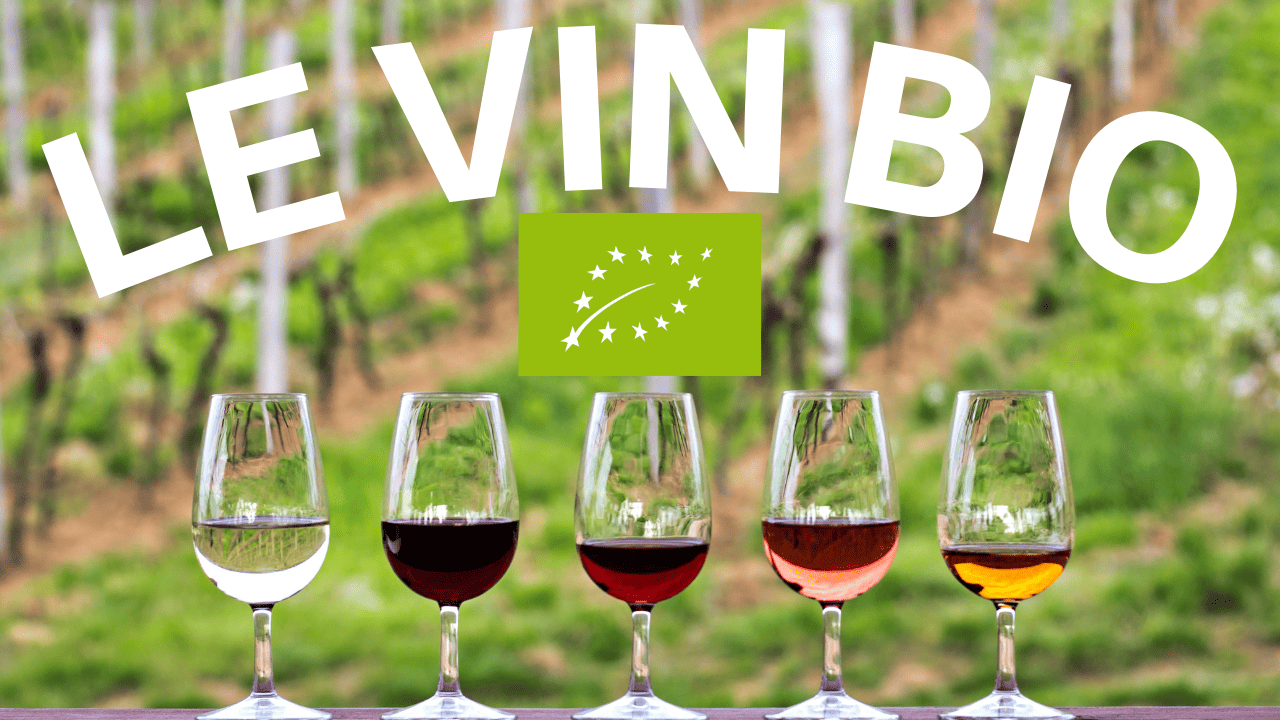
Viticulture presents us with a striking paradox today: it accounts for only 3% of agricultural land, yet consumes 20% of chemical inputs. A reality that raises many questions—especially about wine quality and the future of our terroirs. Because beyond statistics and what’s in your wine cellar, it’s the health of our soils and our viticultural heritage that’s at stake.
But rather than pointing fingers at past practices, let’s focus on future solutions. Our elders did what they thought was right based on the knowledge of their time. Today, a clear alternative is gradually taking shape: organic wine. Let’s dive into this growing world together.
What is organic wine?
Behind this much-discussed label lies a specific reality. An organic wine is, first and foremost, made from grapes grown under organic farming standards—but that’s not all. The entire winemaking process must follow a strict set of guidelines.
In the vineyard, the rules are clear:
- Winemakers minimize the use of additives
- When additives are needed, they must come from organic farming
In the cellar, the same level of discipline applies:
- Vinification must follow strict rules, especially regarding sulfur use
- All substances added during the process must be certified organic, including sugar if chaptalization is necessary
This approach can be certified by the “Euroleaf” label, which you’ve likely seen on bottles. But note: its absence doesn’t automatically mean the wine isn’t organic. Some winemakers follow the standards but choose not to pursue certification. Others simply don’t use it as a marketing argument.
One key point: don’t confuse organic wine with natural wine or biodynamic wine. Each follows specific standards that we’ll explore in future articles.
And let’s not forget the obvious: organic wine is still alcohol. Just like organic chocolate or butter, the fact that it’s organic doesn’t mean you should overconsume it. Moderation remains essential, and it’s reserved for adults.
How to recognize an organic wine?
That’s a tricky question. It’s a bit like trying to tell an organic tomato from a conventional one without a label. Not always obvious. And yes, there are disappointing organic wines, just as there are excellent conventional ones.
Still, there’s an interesting parallel to draw: as with tomatoes, your chances of enjoying a good wine are often higher with an organic one. And more importantly, your body will likely appreciate a wine with fewer chemical residues.
But be aware of the limits of the organic label. It doesn’t guarantee everything:
- Soil life is not always considered
- Biodiversity (trees, animals) is not a requirement
- Natural predators to control pests are not systematically present
Geography also plays a crucial role. Some regions—like Bordeaux with its oceanic climate—face much greater challenges maintaining organic production compared to sunnier areas like Languedoc.
Think of it like your local gardener who grows excellent tomatoes: you know he puts care, attention, and love into it. Organic wine follows the same philosophy.
Organic wine in a few numbers
The organic movement is gaining ground in French vineyards. Today, around 15% of vineyard land is certified organic or in conversion. A spectacular rise that shows how more and more winemakers are embracing sustainable practices.
The numbers speak for themselves: according to Les Échos, sales of organic wine tripled in just seven years, reaching 1.2 billion euros in 2017. This growth stems from two factors: more winemakers going organic, increasing supply; and more consumers seeking transparency and quality, driving demand.
So there you have it—you now know everything about organic wine. This beautiful journey is only just beginning, powered by passionate winemakers and conscious consumers. I hope this article helps you make better choices when selecting your wine.